15
European Cups
First · 1955–56
Latest · 2023–24View winning seasons
1955–56 · 1956–57 · 1957–58 · 1958–59 · 1959–60 · 1965–66 · 1997–98 · 1999–00 · 2001–02 · 2013–14 · 2015–16 · 2016–17 · 2017–18 · 2021–22 · 2023–24
Real Madrid Club de Fútbol
Founded on 6 March 1902, Real Madrid is the record fifteen-time European champion. Its identity joins the all-white shirt, the Santiago Bernabéu and an institutional expectation that decisive European nights are where the club defines itself.
Overview
Historical assessment
Overall Historical Index
97/100Football Legends DB editorial assessment
Football Legends DB editorial / historical index. This is not an official FIFA or UEFA ranking, a live form table or a player rating.
Version 1.0: editors assess eight dimensions from 0–100 using the cited historical record. The overall score is their equally weighted arithmetic mean, rounded to the nearest whole number. Trophy totals are evidence, not points automatically added to a formula.
Assessment guide: 0–39 limited documented impact; 40–59 established national contribution; 60–79 sustained national or continental influence; 80–94 major international influence; 95–100 a historical benchmark across generations. These are editorial judgements, not measured percentiles. Missing evidence means no published index.
World titles and sustained success across eras inform the historical and international assessments. Scores may be revised when the evidence or editorial assessment changes.
Assessment notes · The first five European Cups and repeated success through 2024 anchor the European assessment. Di Stéfano, Ronaldo and successive coaching cycles support influence and player legacy. La Fábrica has produced major first-team figures, while its role is less central to Madrid’s playing philosophy than the academy model at Barcelona or Ajax.
Current chapter
Season
2026–27Verified
A new coaching cycle begins in 2026. Mourinho returns after his 2010–13 tenure, with a contract through June 2029.
Honours
First · 1955–56
Latest · 2023–24First · 1960
Latest · 2024First · 2002
Latest · 2024First · 1984–85
Latest · 1985–86First · 1931–32
Latest · 2023–24First · 1904–05
Latest · 2022–23First · 1988
Latest · 2024First · 1984–85
Latest · 1984–85History
The club’s first board is formally elected, fixing 6 March 1902 as the institutional foundation date.
King Alfonso XIII grants the club the “Real” title and the crown becomes part of its identity.
The future Santiago Bernabéu opens with a 3–1 win over Os Belenenses; Barinaga scores the first goal in the new stadium.
The foundational European dynasty won every edition of the new continental competition’s first five seasons.
Tactical identity · Di Stéfano moved between midfield and attack; Gento supplied width and Puskás finishing.
Explore the defining match ↗The all-Spanish “Yé-yé” generation defeats Partizan to add a sixth European Cup.
A homegrown generation mixed technical authority with sustained domestic control.
A 1–0 final win over Juventus ends a 32-year wait for the European Cup.
An audacious sporting and cultural project assembled the world’s most magnetic names in white.
Tactical identity · Zidane’s movement between the lines and Roberto Carlos’s width complemented Raúl and a changing cast of forwards.
Explore the defining match ↗A fast, vertical side broke Barcelona’s run and set a then-La Liga record with 100 points and 121 goals in 2011–12.
La Décima and Zidane’s three consecutive Champions Leagues restored Madrid as the era’s defining knockout team.
Tactical identity · A technically secure midfield supported Ronaldo’s penalty-area threat and attacking full-backs.
Explore the defining match ↗Experience, midfield control and repeated late comebacks delivered two European Cups and two league titles in three seasons.
Tactical identity · Midfield experience supported Vinícius’s acceleration and flexible attacking roles.
Explore the defining match ↗Defining games
European Cup · Final
Real Madrid 7–3 Eintracht Frankfurt
Hampden Park, Glasgow
Di Stéfano and Puskás made the fifth consecutive title an enduring reference for attacking football on the European stage.
Champions League · Final
A 32-year wait ended. European success became a lived experience for a new generation, opening the way to three titles in five seasons.
Champions League · Final
Real Madrid 2–1 Bayer Leverkusen
Hampden Park, Glasgow
Zidane’s volley gave the Galácticos project its defining European image; Casillas’s late saves also placed an academy graduate at its centre.
Champions League · Final
Ramos’s late equaliser transformed a near-defeat into the tenth title. The victory became the starting point of four European Cups in five years.
Champions League · Semi-final, second leg
Real Madrid 3–1 Manchester City
After extra time · 6–5 on aggregate
Santiago Bernabéu, Madrid
Rodrygo’s late goals and Benzema’s penalty turned elimination into a place in the final. The tie gave another generation its own account of Madrid’s comeback culture.
Legends

Forward
The club’s record goalscorer and the attacking emblem of a side that won four European Cups during his nine seasons.
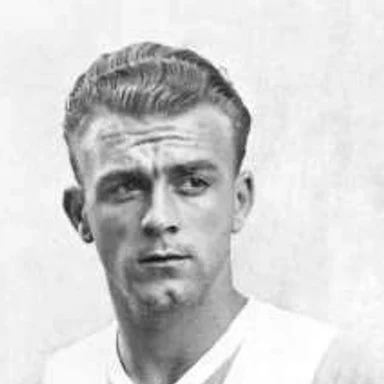 Photo: Unknown author. Source and license in Image credits.
Forward
The complete footballer at the centre of the five consecutive European Cups; the only winner of the Super Ballon d’Or.

Forward
The homegrown captain who remains the club’s record appearance-maker.
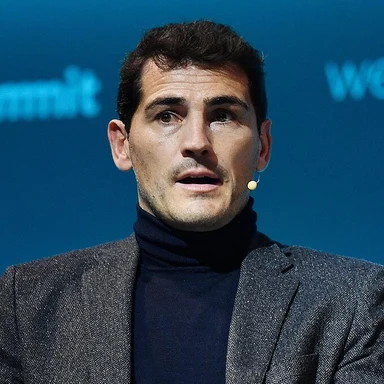 Photo: Web Summit. Source and license in Image credits.
Goalkeeper
Academy goalkeeper, captain and the decisive substitute in the 2002 European Cup final.
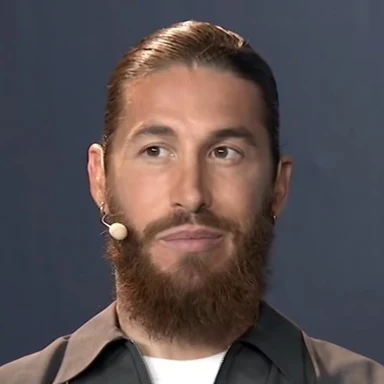 Photo: Real Madrid. Source and license in Image credits.
Defender
Captain of three consecutive European champions and scorer of the 93rd-minute goal that rescued La Décima.
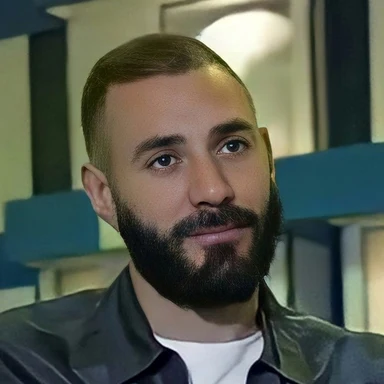 Photo: Real Madrid YouTube channel. Source and license in Image credits.
Forward
A connective forward who became the club’s second-highest scorer and the 2022 Ballon d’Or winner.
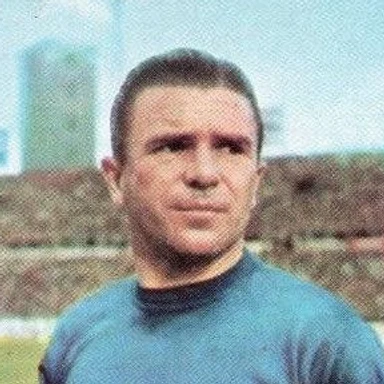 Photo: Panini. Source and license in Image credits.
Forward
Scored four goals in the 1960 European Cup final.
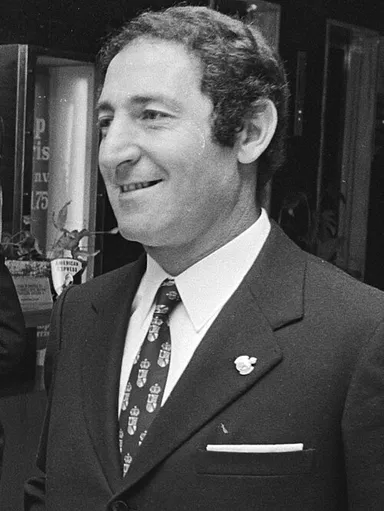 Photo: Fotograaf Onbekend / Anefo. Source and license in Image credits.
Winger
Connected the first five European Cups to the sixth in 1966.

Forward
The academy forward whose name defined the Quinta del Buitre.

Defender / Midfielder
A ball-playing defender in the 1998, 2000 and 2002 European champions.
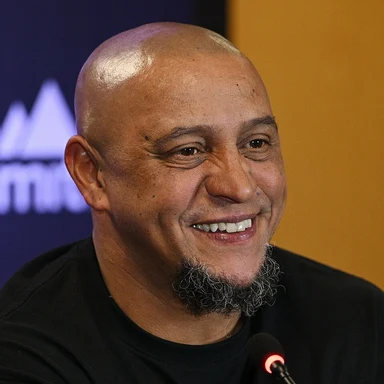 Photo: Web Summit. Source and license in Image credits.
Left back
Supplied attacking width from left back through three European Cup victories.
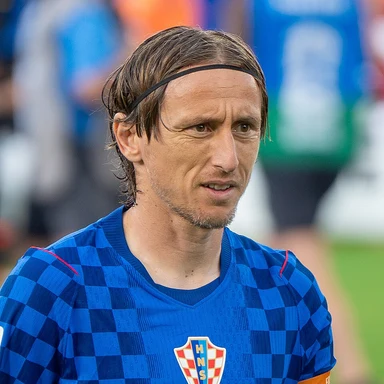 Photo: Bryan Berlin / WikiPortraits. Source and license in Image credits.
Midfielder
A midfield constant across six European Cups and 28 club trophies.
Photo: Unknown author. Source and license in Image credits.The complete footballer at the centre of the five consecutive European Cups; the only winner of the Super Ballon d’Or.
Photo: Panini. Source and license in Image credits.Scored four goals in the 1960 European Cup final.
Photo: Fotograaf Onbekend / Anefo. Source and license in Image credits.Connected the first five European Cups to the sixth in 1966.
The academy forward whose name defined the Quinta del Buitre.
The homegrown captain who remains the club’s record appearance-maker.
Photo: Web Summit. Source and license in Image credits.Academy goalkeeper, captain and the decisive substitute in the 2002 European Cup final.

An attacking midfielder in the Galácticos team whose volley decided the 2002 European Cup final.
A ball-playing defender in the 1998, 2000 and 2002 European champions.
Photo: Web Summit. Source and license in Image credits.Supplied attacking width from left back through three European Cup victories.
The club’s record goalscorer and the attacking emblem of a side that won four European Cups during his nine seasons.
Photo: Real Madrid. Source and license in Image credits.Captain of three consecutive European champions and scorer of the 93rd-minute goal that rescued La Décima.
Photo: Real Madrid YouTube channel. Source and license in Image credits.A connective forward who became the club’s second-highest scorer and the 2022 Ballon d’Or winner.
Photo: Bryan Berlin / WikiPortraits. Source and license in Image credits.A midfield constant across six European Cups and 28 club trophies.

Ronaldo linked explosive carrying with elite finishing. His Barcelona and Inter peak, 2002 World Cup return and more economical Madrid years reveal different versions of the same central threat.
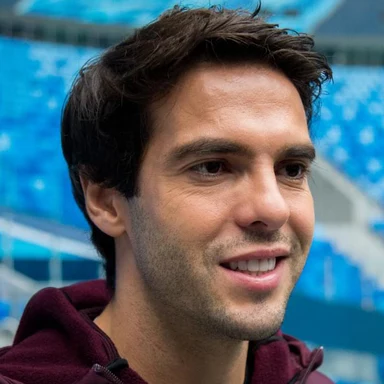 Photo: Евгений Асмолов. Source and license in Image credits.
A distinctive attacking midfielder whose 2007 European peak joined a scorer’s threat to the final pass.
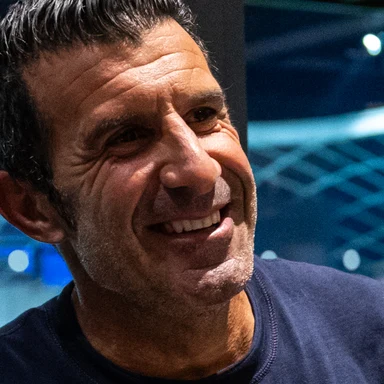 Photo: Žan Kolman. Source and license in Image credits.
A bridge between the touchline winger and the playmaker, with the patience to draw a defender and the technique to exploit the response.
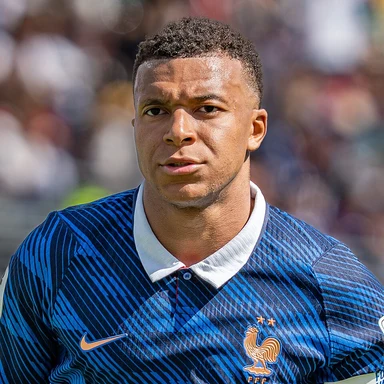 Photo: Bryan Berlin / WikiPortraits. Source and license in Image credits.
Mbappé’s early World Cup success placed a direct runner at the centre of France’s attack. He can force a defence to retreat before receiving the ball, creating space for teammates underneath.
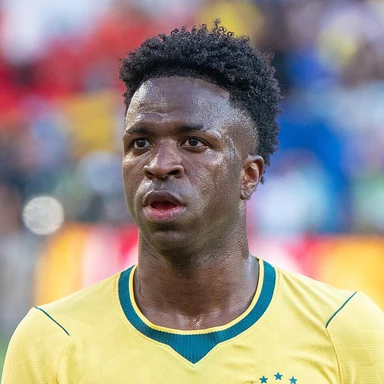 Photo: Bryan Berlin / WikiPortraits. Source and license in Image credits.
His Madrid development connects individual dribbling with shared movement: the winger can prepare the chance, draw the cover or arrive to finish it.
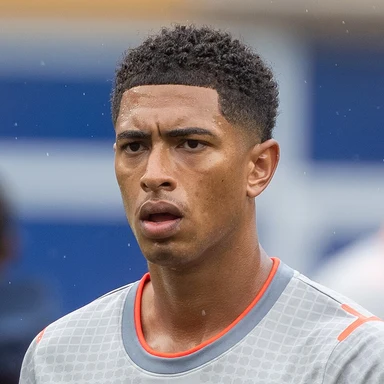 Photo: Bryan Berlin / WikiPortraits. Source and license in Image credits.
His first Madrid season showed how a midfielder could occupy the space vacated by a traditional centre-forward. The role remains distinct from his deeper development at Dortmund.
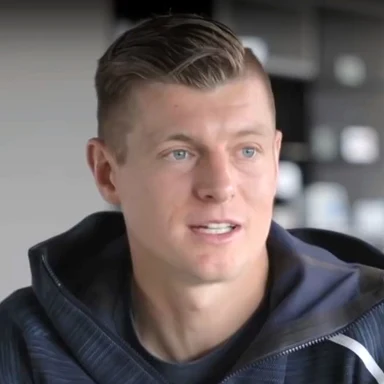 Photo: Real Madrid (YouTube channel). Source and license in Image credits.
Kroos could move the opposition without moving far himself. His partnership with Modrić gave Madrid distinct but complementary ways to control a match.

From Palmeiras’ title challenge to Madrid and a Lyon loan, Endrick’s active career explores how early scoring impact becomes sustained team contribution.

From Madrid’s academy to Inter’s wing-back role, Paris’s rotations and Morocco’s tournament teams.

Elite goal protection across different defensive systems, with the 2022 European final as a defining reference.
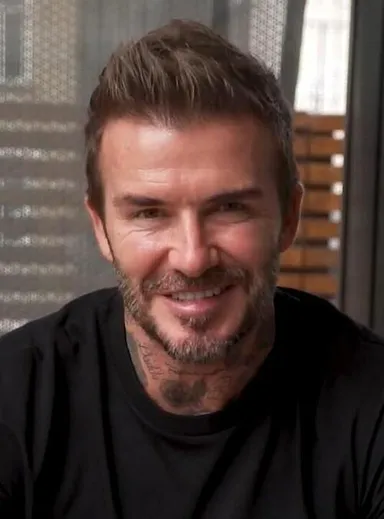 Photo: Soccer Aid for Unicef. Source and license in Image credits.
He could see the run early and make a distant passing angle useful to the teammate receiving the ball.
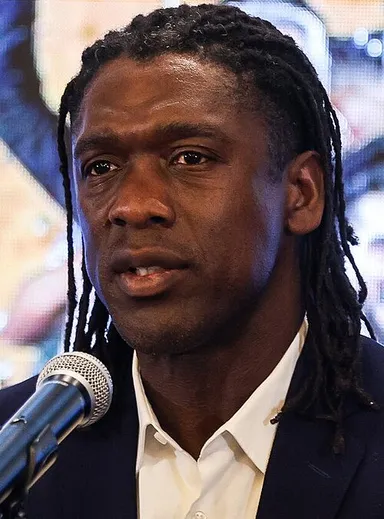 Photo: فاطمه عموزاد. Source and license in Image credits.
Four European titles across three clubs reflect a player who adapted his midfield work while keeping technical control and physical security at its centre.
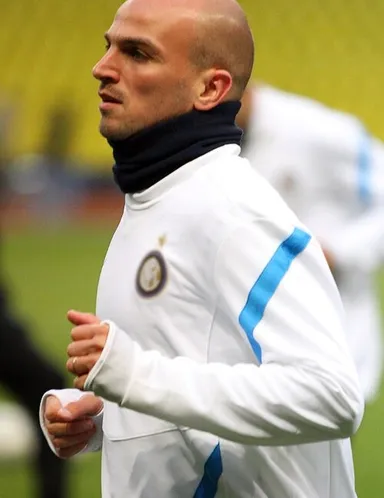 Photo: Майоров Владимир. Source and license in Image credits.
Cambiasso made collective organisation tangible: a passing angle, a protected lane and the judgment to join the attack at the right moment.
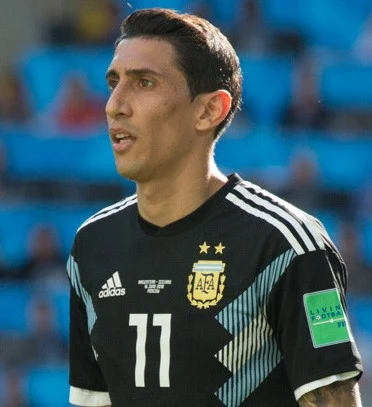 Photo: Екатерина Лаут. Source and license in Image credits.
His Madrid record closes at 190 official appearances and 36 goals; PSG’s post-farewell review records 295 matches, 92 goals and 111 assists. These club figures remain separate from his completed Argentina career of 145 appearances and 31 goals, and from the ongoing Rosario return.
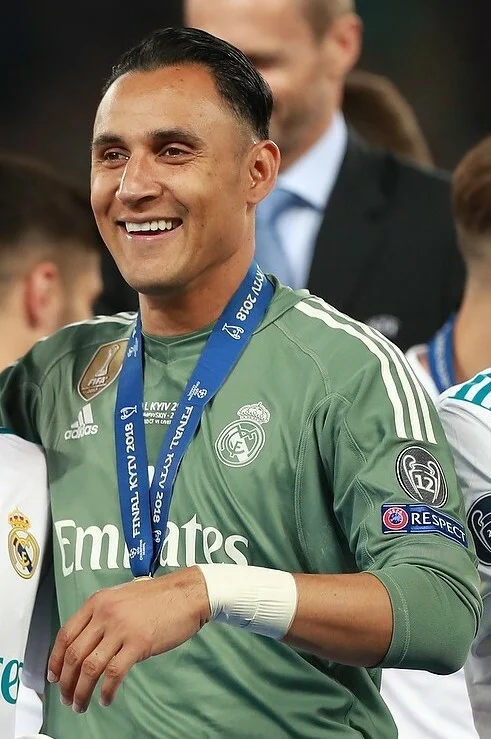 Photo: Антон Зайцев / soccer.ru. Source and license in Image credits.
Navas connects Costa Rica’s most successful World Cup run with Real Madrid’s three consecutive European titles. His legacy rests on decisive goalkeeping within different defensive systems, not on treating every trophy as proof of identical personal playing time.
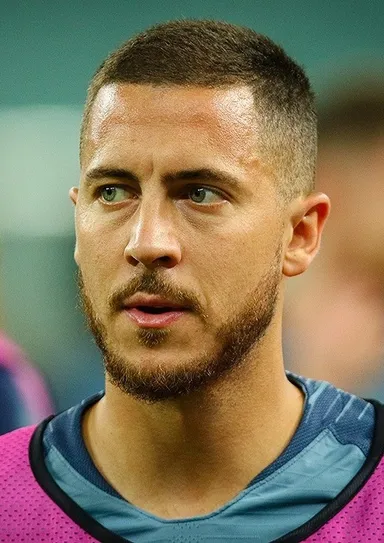 Photo: Amir Hosseini / Fars Media Corporation. Source and license in Image credits.
Hazard’s best football joined individual escape from pressure with a collective payoff. Chelsea’s two league titles and his 2018 World Cup underline that peak; his later Madrid honours record a different, more limited playing chapter. Reading those periods separately preserves both the force of his prime and the limits of his final club spell.
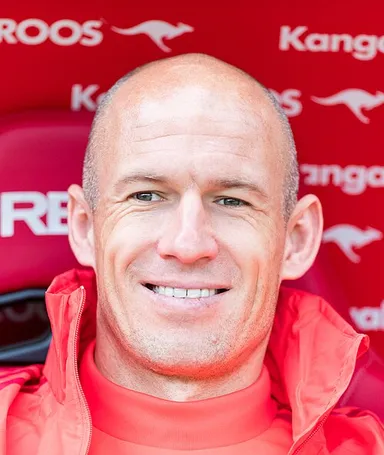 Photo: Sven Mandel. Source and license in Image credits.
Robben’s signature was recognisable without being easy to stop. He could change the speed of the duel, keep the ball close enough for another touch and make the defender protect both the outside lane and the shot inside. His partnership with Ribéry helped define a Bayern era, but injuries interrupted his availability. A balanced legacy celebrates the mechanism and its decisive moments without turning a difficult career into uninterrupted dominance.
Coaching legacy
Club tenure only. Honours include senior first-team league, cup, super cup, continental and world titles where verified. European titles count European Cup / Champions League wins.
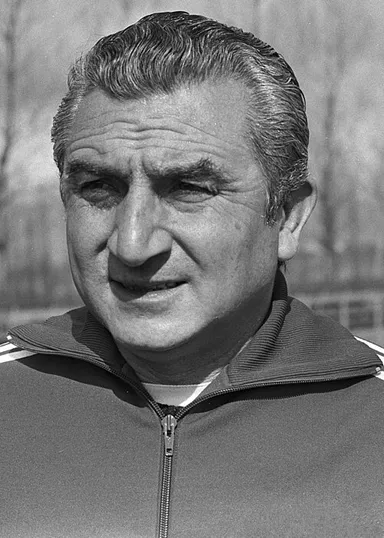 Photo: Hans Peters for Anefo / neg. stroken, 1945-1989, 2.24.01.05, item number 926-3301. Source and license in Image credits.
1959 · 1960–1974
Renewed the European champions around a Spanish core and made league success repeatable across the 1960s.

1997–1998
The 1998 final restored Madrid’s European Cup identity after a 32-year wait.
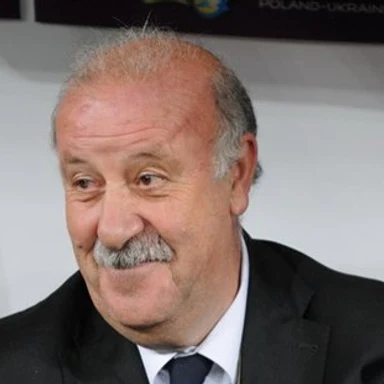 Photo: Илья Хохлов / Football.ua. Source and license in Image credits.
1994 · 1996 · 1999–2003
Brought together academy graduates and international signings in the teams that won the 2000 and 2002 European Cups.

2010–2013
A vertical attacking team won the 2012 league with 100 points and 121 goals.
Completed first spell only. The 2026 return is covered in Club Today.

2013–2015 · 2021–2025
Won in Europe with two different attacking generations, connecting Ronaldo’s side to the Benzema and Vinícius teams.
2016–2018 · 2019–2021
Managed midfield control, squad rotation and the demands of repeated European knockout campaigns.
Club identity
Madrid has accommodated different systems: Di Stéfano’s roaming role, Mourinho’s fast transitions and the Modrić–Kroos midfield. Elite individual initiative persists across these changes.
Member ownership places the presidency inside the club’s political life. Bernabéu’s stadium project and European ambition remain reference points for later administrations.
The Galácticos brought Figo, Zidane, Ronaldo and Beckham into the same squad. Later cycles paired established stars with younger recruits such as Vinícius and Bellingham.
La Fábrica supplies both first-team players and the wider professional game. The Quinta del Buitre, Raúl and Casillas show the role of local development alongside major signings.
At the Bernabéu, European comeback nights carry an expectation of pressure until the final whistle. The 2014 final and 2022 semi-final are recent reference points for that belief.
The first five European Cups established the standard. La Séptima and La Décima are remembered by number because each renewed a relationship with the same competition.
Identity
Stadium
Current home / Madrid
Opened as Nuevo Chamartín on 14 December 1947 and renamed for president Santiago Bernabéu in 1955. Its latest transformation adds a retractable roof and pitch system while preserving its role as the club’s central stage.
Rivalries
Repeated contests for Spanish and European honours connect two different institutional identities. Di Stéfano’s Madrid, Cruyff’s Barcelona and the Ronaldo–Messi years each gave the rivalry a new footballing form.
Barcelona’s Catalan identity and Madrid’s role in the capital give the fixture symbolism beyond results; neither club’s support can be reduced to a single political position.
Madrid’s city rivalry links national cup finals, league races and the European finals of 2014 and 2016.
Atlético’s 1960 cup breakthrough and 2013 win at the Bernabéu are part of a history larger than the two Champions League final defeats.
Development
Development through the youth sides and Castilla offers a route into senior professional football, with technical education tested in competitive teams.
Historical role
The Quinta del Buitre anchored five consecutive league titles in the 1980s. Raúl and Casillas later connected academy development to a renewed European-winning first team.
Famous graduates
Collection
Kits
Home kit / 2026–27
Home kit / 2023–24
Home kit / 2013–14
Home kit / 2001–02
Home kit / 1959–60
Commercial
TECHNICAL SUPPLIER
MAIN SHIRT
Kit studies are abstract colour and pattern references, not reproductions of official shirts.
Records
Scored in 438 competitive appearances between 2009 and 2018.
Sixteen first-team seasons from 1994 to 2010.
Scored in 648 appearances across fourteen seasons.
The most by a Real Madrid player in a single season.
The side also scored 121 league goals.
The competition record, including the first five editions and six wins from 2014 to 2024.
Won every one of the competition’s first five editions.
The competition record for a single campaign.
Shared club coaching record.