
The left-back as an attacking route
- Repeated acceleration
- Generational
- Overlapping and combining
- Elite
- Shooting power
- Generational
- Defensive recovery
- Elite
- Positional protection
- Very Good
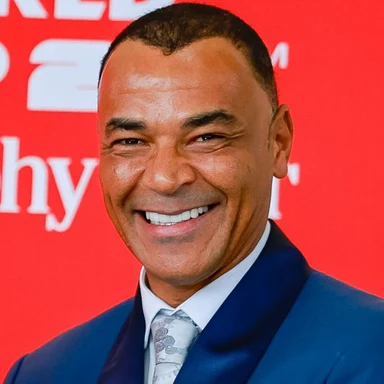
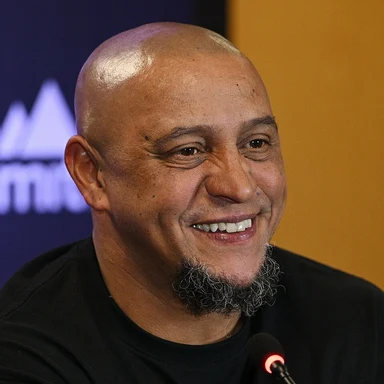 Photo: Web Summit. Source and license in Image credits.
Roberto Carlos da Silva Rocha
An attacking left-back who turned acceleration, repeated support and powerful striking into a major route for Madrid and Brazil.
Senior club · all competitions
Completed club records only; not a complete career total.
Active club snapshots and records with another scope are excluded. Assist totals are not combined across incompatible definitions.
Stored archive snapshots, not live counters. Missing values are not zero; records with different scopes are never added together.
G/M = goals ÷ appearances. G+A = goals + assists. Per-90 metrics use documented minutes.
Senior international · all competitions
Stored archive snapshots, not live counters. Missing values are not zero; records with different scopes are never added together.
G/M = goals ÷ appearances. G+A = goals + assists. Per-90 metrics use documented minutes.
In context
Roberto Carlos made the left flank an attacking resource from deep, with overlaps, combinations and deliveries supported by different defensive structures at Madrid and Brazil.
Reading the game
Roberto Carlos made the left-back a problem for the opponent long before the ball reached the penalty area. His acceleration could turn a supporting position into an overlapping run, force a wide defender backwards and give an inside teammate more room to receive. The important quality was not simply speed. He could repeat the journey, combine on the way forward and threaten a delivery or shot, making the left flank a route the whole team could use.
Madrid and Brazil reveal why that attacking force must be understood through its defensive setting. A full-back advancing from a back four and a wing-back supported by three centre-backs do not leave the same spaces behind. His partnership with more central creators depended on someone keeping the team connected when he went forward. The 2002 European final and Brazil’s World Cup win show different arrangements for that freedom. His famous shooting adds another dimension, but the deeper contribution is a change in what the position can offer: width, penetration and repeated support without ceasing to carry defensive responsibility.
Historical references support the chronology; tactical explanations are museum editorial analysis.
Historical references: UEFA: Madrid’s 2002 European final against Leverkusen ↗ · UEFA: Roberto Carlos in the 2002 Super Cup ↗ · FIFA: Cafu explains Brazil’s 2002 defensive support ↗
Career
| Period | Club |
|---|---|
| 1991—1993 | União São JoãoThe early professional platform at União São João; complete competitive totals remain unverified. |
| 1993—1995 | PalmeirasBrazilian league titles in 1993 and 1994. A compatible competitive appearance and goal total has not been reconciled here. |
| 1995—1996 | Inter MilanComplete 1995/96 Inter spell: 34 appearances and 7 goals across competitions, as recorded by the club. Assists remain unverified. Senior club · all competitions Performance record
|
| 1996—2007 | Real MadridMadrid’s later historical-goals article records 527 appearances and 69 goals; its English legend page lists 68 goals for the same appearance total. The 69-goal figure is preferred here, with the discrepancy retained. Assists remain unverified. Senior club · all competitions Performance record
|
| 2007—2009 | FenerbahçeMoved to Fenerbahçe in 2007 after eleven Madrid seasons. This spell is separate from the later Brazilian and Russian chapters. |
| 2010—2011 | CorinthiansReturned to Brazil with Corinthians before joining Anzhi in February 2011. |
| 2011—2012 | Anzhi MakhachkalaJoined Anzhi in 2011. This later playing chapter is not assessed as an extension of the Madrid peak. |
| 2015—2016 | Delhi DynamosThe Indian Super League documents a player-coach role in 2015. The broader 2015–2016 career interval must not be read as two verified playing seasons. |
Stored archive snapshots, not live counters. Missing values are not zero; records with different scopes are never added together.
G/M = goals ÷ appearances. G+A = goals + assists. Per-90 metrics use documented minutes.
Honours
Brazil · world
Real Madrid · continental
Real Madrid · league
Real Madrid · domestic cup
Real Madrid · world
Real Madrid · continental
Palmeiras · league
Story
Career chapter
União São João supplied the early professional platform before Palmeiras placed Roberto Carlos inside a successful Brazilian side. The club’s account emphasises his left-footed striking and defensive energy, a useful reminder that the attacking image did not begin as permission to abandon defending. Inter then offered a single Italian season in 1995/96 before the move to Madrid. Across these settings, the central question was how to turn a run from deep into a coordinated attack: who receives inside, who provides the return pass and who remains in position if the move breaks down. Different answers shaped the role more than one fixed label.
Historical references: Madrid: Roberto Carlos’s historical profile and alternate figures ↗ · Inter: Roberto Carlos’s complete 1995/96 season ↗ · Palmeiras: Roberto Carlos’s Brazilian development and titles ↗ · Roberto Carlos — biographical and career reference ↗
Club chapter
Madrid gave Roberto Carlos a long stage on which an attacking full-back could become a regular route into the final third. His width could complement teammates moving inside, while quick combinations let him arrive beyond the opposing wide player. The 2002 Champions League final provides two concrete examples of creation: his long throw released Raúl for the opener, and his run and cross supplied Zidane’s volley. The cross was not a routine finish waiting to happen; Zidane still had to solve an extraordinary technical problem. The contribution was making that final action available, within a team that also needed cover behind the advancing left-back.
Historical references: Madrid: Roberto Carlos’s 527 appearances, 69 goals and 13 titles ↗ · UEFA: Madrid’s 2002 European final against Leverkusen ↗ · Roberto Carlos — biographical and career reference ↗
Explore club contextCareer chapter
Brazil’s 2002 side placed Roberto Carlos opposite Cafu with three centre-backs behind the wide players. That changed the starting conditions for his forward movement: he could supply width while the central attackers stayed connected around Ronaldo. The arrangement still required coordination with the midfield, including Gilberto Silva and Kléberson, rather than granting unlimited freedom. His goal against China demonstrated the striking threat, but his six appearances belonged to a broader tournament role. Comparing this version with Madrid is more useful than calling both simply attacking left-back: the available cover and the distance back to the defensive line were organised differently.
Historical references: FIFA: Cafu explains Brazil’s 2002 defensive support ↗ · FIFA: Roberto Carlos’s free-kick against China in 2002 ↗ · UEFA: Roberto Carlos joins Anzhi after Corinthians ↗ · Roberto Carlos — biographical and career reference ↗
Career chapter
After leaving Madrid in 2007, Roberto Carlos continued through Fenerbahçe, Corinthians and Anzhi. These chapters extended his experience into different teams without making every later performance equivalent to his most explosive years. For an experienced attacking defender, the timing of a release, a supporting position and a chosen forward run become particularly useful ways to influence play. His 2015 Delhi role combined playing with coaching, a distinct responsibility documented by the Indian Super League. The full chronology therefore includes a later return to playing, not one uninterrupted peak. It also reinforces a basic lesson: an attacking role must be fitted to the team around it.
Historical references: UEFA: Roberto Carlos joins Anzhi after Corinthians ↗ · UEFA: Roberto Carlos’s move to Fenerbahçe ↗ · Indian Super League: Roberto Carlos’s 2015 player-coach role ↗
Profile
Attacking Full-Back
Also plays · Wing-Back
Starts from the left of defence, accelerates beyond a teammate and combines or delivers into the attack. Recovery speed supports the role, while midfield and centre-back cover determine how safely he can advance.
Acceleration
Overlapping
Shooting power
Stamina
Illustrative role zones · not tracking data
A run outside the ball carrier can force the opposing full-back to retreat while asking a midfielder to follow. Roberto Carlos could accelerate from a deeper position, making that decision arrive quickly. If a teammate moved inside, the overlap preserved width and opened another passing angle. The run still needed timing: going too early could leave him isolated, while going too late could close the receiving lane.
His forward contribution was not restricted to a sprint down the touchline followed by a cross. The 2002 Super Cup showed how combinations could carry him into a shooting position, including a right-footed finish. That variety mattered because an opponent expecting only the outside route could be drawn away from the next space. The teammates supplying the short exchanges were part of the penetration.
Reaching the ball at speed did not always permit a composed crossing stance. Roberto Carlos could still send a delivery into an area where a teammate might act, as the Glasgow final famously demonstrated. The distinction is between creating access and guaranteeing a chance. A cross needs runners, suitable occupation of the box and protection against the clearance; its value cannot be judged only by how spectacular the delivery looks.
His left foot offered a threat from distances where defenders might otherwise relax. The France free-kick and the strike against China illustrate different settings for that weapon. Power, contact and trajectory belong together, but two famous goals do not establish a conversion rate. Choosing to shoot also ends the passing phase, so the possibility of a spectacular finish must be weighed against the other routes available.
Acceleration helped him close space after going forward, but recovery is not the same as never conceding an opening. His team needed a plan for the first pass into the vacated flank, before any long chase could begin. Brazil’s three-centre-back arrangement made that support particularly visible. Reading the moment to advance, staying connected and recovering into a useful position all mattered beside the sprint itself.
Historical references: Palmeiras: Roberto Carlos’s Brazilian development and titles ↗ · UEFA: Madrid’s 2002 European final against Leverkusen ↗ · UEFA: Roberto Carlos in the 2002 Super Cup ↗ · FIFA: Cafu explains Brazil’s 2002 defensive support ↗ · FIFA: Roberto Carlos’s free-kick against China in 2002 ↗ · FIFA: the anniversary of Roberto Carlos’s 1997 France free-kick ↗
Reading the game
| Era / team | Primary Role | Tactical Character |
|---|---|---|
| 1991–1995União São João / Palmeiras | Developing a two-way left flank | Builds an attacking threat from full-back while remaining part of the defensive line. |
| 1995–1996Inter Milan | An Italian transition | A single season provides a different setting for the balance between forward runs and defensive responsibility. |
| 1996–2007Real Madrid | Width from Madrid’s back line | Overlaps creators moving inside and combines into the final third, requiring cover behind the left flank. |
| 2002Brazil | A higher starting point with Brazil | Supplies width opposite Cafu, supported by three centre-backs and coordinated midfield cover. |
| 2007–2012Fenerbahçe / Corinthians / Anzhi | Adapting the experienced left-back | Continues across different teams, with forward movement assessed in each team’s own structure. |
| 2015Delhi Dynamos | A distinct player-coach return | Combines limited playing involvement with coaching responsibilities in the 2015 Indian season. |
Historical references: Madrid: Roberto Carlos’s historical profile and alternate figures ↗ · Inter: Roberto Carlos’s complete 1995/96 season ↗ · Palmeiras: Roberto Carlos’s Brazilian development and titles ↗ · UEFA: Madrid’s 2002 European final against Leverkusen ↗ · UEFA: Roberto Carlos in the 2002 Super Cup ↗ · FIFA: Cafu explains Brazil’s 2002 defensive support ↗ · UEFA: Roberto Carlos joins Anzhi after Corinthians ↗ · UEFA: Roberto Carlos’s move to Fenerbahçe ↗ · Indian Super League: Roberto Carlos’s 2015 player-coach role ↗
Reading the game
Starting as a defender allowed Roberto Carlos to arrive on the flank after the attacking players had already occupied opponents. That delayed arrival could be harder to track than a winger standing in the same place. It also let an inside creator move towards the ball without automatically removing the team’s widest outlet on the left.
One explosive run can create a highlight; repeated support changes how an opponent defends the whole flank. Roberto Carlos’s athletic contribution was valuable when it kept the passing route available across successive attacks. The repetition did not remove the need for selection. It made the decision about when to use him a recurring part of the team’s possession.
His influence at a restart was not limited to direct free-kicks. The long throw to Raúl in the 2002 final bypassed the usual passing sequence and put the forward into a dangerous situation. It was a different form of the same contribution: using an action from the left side to make the next attacking move possible.
The Super Cup performance against Feyenoord shows why reducing him to left-footed power misses part of the player. He could combine, move beyond the first exchange and finish with his right foot. The threat on the outside helped create room for a different action inside, provided teammates recognised the run and returned the ball at the appropriate moment.
Historical references: Madrid: Roberto Carlos’s 527 appearances, 69 goals and 13 titles ↗ · UEFA: Madrid’s 2002 European final against Leverkusen ↗ · UEFA: Roberto Carlos in the 2002 Super Cup ↗
Reading the game
Explosive attacking left-back
The first Madrid years established a left-back whose forward runs could quickly change the pitch available to the attack. His speed and striking attracted attention, but the repeatable value was supplying width from a deeper position. This version emphasises the physical disruption created before the delivery: the opposing flank had to decide who would leave his own position to follow.
Combining left-back
The 2001/02 European campaign and the subsequent Super Cup show a more varied attacking contribution. He could supply a runner, arrive for combinations or deliver towards a teammate inside. The Zidane volley should remain Zidane’s exceptional finish, while the route that made it possible belongs to the supporting attack. Roberto Carlos was an essential part of constructing that route.
Left wing-back
At the 2002 World Cup, a wing-back starting outside three centre-backs had a different relationship with the defensive line. Roberto Carlos could stretch play on the left while the central attackers combined nearer goal. The strength of this version lies in the fit between player and structure: his energy and delivery became useful because the team organised support and cover around those forward movements.
Historical references: Madrid: Roberto Carlos’s 527 appearances, 69 goals and 13 titles ↗ · Madrid: Roberto Carlos’s historical profile and alternate figures ↗ · UEFA: Madrid’s 2002 European final against Leverkusen ↗ · UEFA: Roberto Carlos in the 2002 Super Cup ↗ · FIFA: Cafu explains Brazil’s 2002 defensive support ↗ · FIFA: Roberto Carlos’s free-kick against China in 2002 ↗
Statistics
| Season | Club | Apps | Goals | G/M |
|---|---|---|---|---|
| 1995–96 | Inter Milan Senior club · all competitions | 34 | 7 | 0.21 |
Stored archive snapshots, not live counters. Missing values are not zero; records with different scopes are never added together.
G/M = goals ÷ appearances. G+A = goals + assists. Per-90 metrics use documented minutes.
The complete 1995/96 Inter season is verified across competitions. Other season totals remain unverified; this selected row is not a complete career sum and assists are not treated as zero.
International
International career
FIFA’s 125 senior Brazil appearances are preferred. Madrid’s historical profile lists 128 and is retained as an alternate published figure. A compatible senior goal total is unverified here. The 2002 World Cup record is separate from career totals and excludes youth and Olympic matches.
Real Madrid historical profile: 128 appearances / — goals · Madrid’s alternate 128-cap historical figure is retained as a conflict, not added to FIFA’s total.
Reading the game
Roberto Carlos helped make the attacking left-back a central part of how elite teams constructed chances. His importance was not that he invented forward runs from defence; Brazilian football already had a rich tradition of adventurous full-backs. He made the combination of acceleration, repeated movement, combinations and powerful striking exceptionally visible at the highest level. Madrid could use the left-back to supply width while creative players moved inside, and Brazil could give him a higher starting position within a different defensive structure. Those are related uses of his abilities, rather than one formation reproduced everywhere.
The free-kick against France is an enduring image, but it should not obscure the hundreds of less spectacular actions that sustained his teams. Nor should recovery speed become an excuse to ignore the space left behind an attack. His career is most instructive when the run, the delivery and the defensive response are considered together. The three European titles and the 2002 World Cup establish the competitive setting; they do not mean every attacking choice was correct. Later spells and the Delhi player-coach episode broaden the chronology without extending his peak indefinitely. His lasting example is a defender whose forward contribution changes the responsibilities of teammates and opponents across an entire flank.
Historical references: Madrid: Roberto Carlos’s 527 appearances, 69 goals and 13 titles ↗ · FIFA: Cafu explains Brazil’s 2002 defensive support ↗ · FIFA: the anniversary of Roberto Carlos’s 1997 France free-kick ↗ · Indian Super League: Roberto Carlos’s 2015 player-coach role ↗
Archive
Wing-Back · editorial peak 1997—2002
Ronaldo Nazário— Overlapping Real Madrid era · Zinedine Zidane— Overlapping Real Madrid era · Luís Figo— Overlapping Real Madrid era · Sergio Ramos— Overlapping Real Madrid era
Galácticos — Real Madrid

Balanced high-tempo organiser
1979—2018 · Bayern Munich · Real Madrid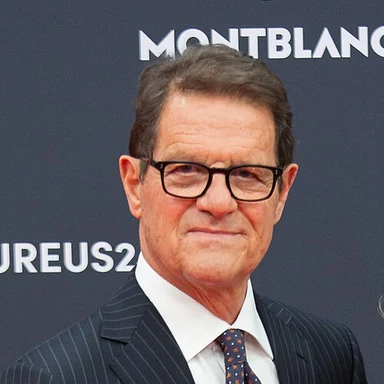 Photo: Barcex (Wikimedia Commons); crop by EndzoneEnthusiast. Source and license in Image credits.
Discipline and defensive balance
1982—2018 · AC Milan · Real Madrid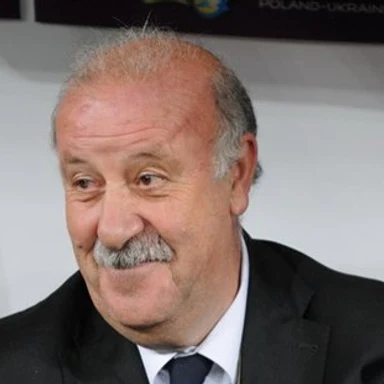 Photo: Илья Хохлов / Football.ua. Source and license in Image credits.
Continuity and technical control
1987—2016 · Real Madrid
Cruzeiro · PSV · Barcelona
1993—2011
AS Cannes · Bordeaux · Juventus
1989—2006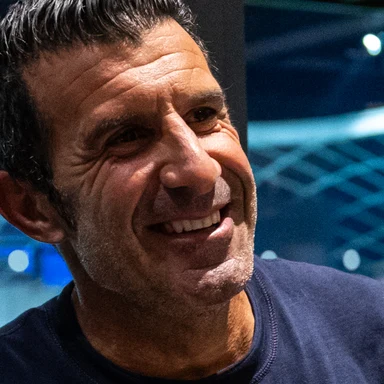 Photo: Žan Kolman. Source and license in Image credits.
Sporting CP · Barcelona · Real Madrid
1989—2009Cruzeiro · PSV · Barcelona
1993—2011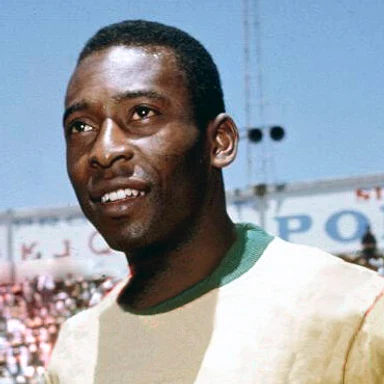 Photo: Unknown author. Source and license in Image credits.
Santos · New York Cosmos
1956—1977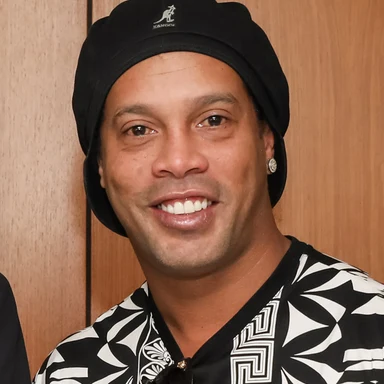 Photo: Marcos Corrêa/PR. Source and license in Image credits.
Grêmio · Paris Saint-Germain · FC Barcelona
1998—2018Statistics are displayed only within the scope supported by each cited source.
Real MadridMadrid: Roberto Carlos’s 527 appearances, 69 goals and 13 titlesReal MadridMadrid: Roberto Carlos’s historical profile and alternate figuresInter MilanInter: Roberto Carlos’s complete 1995/96 seasonPalmeirasPalmeiras: Roberto Carlos’s Brazilian development and titlesUEFAUEFA: Madrid’s 2002 European final against LeverkusenUEFAUEFA: Roberto Carlos in the 2002 Super CupFIFAFIFA: Cafu explains Brazil’s 2002 defensive supportFIFAFIFA: Roberto Carlos’s free-kick against China in 2002FIFAFIFA: the anniversary of Roberto Carlos’s 1997 France free-kickFIFAFIFA: Roberto Carlos’s 125 senior Brazil appearancesUEFAUEFA: Roberto Carlos joins Anzhi after CorinthiansUEFAUEFA: Roberto Carlos’s move to FenerbahçeIndian Super LeagueIndian Super League: Roberto Carlos’s 2015 player-coach roleWikipedia (cited biographical reference)Roberto Carlos — biographical and career reference