Arrigo Sacchi ↗
Predecessor at Milan
Documented history
Capello inherited Sacchi’s squad and competitive foundation. This is a documented succession, not an assertion that he was Sacchi’s assistant.
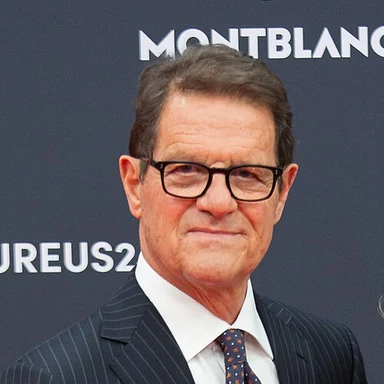 Photo: Barcex (Wikimedia Commons); crop by EndzoneEnthusiast. Source and license in Image credits.
Discipline and defensive balance
A former midfielder who developed inside Milan before coaching championship teams in Italy and Spain.
England senior national team · 2007–2012
England senior national team · complete Capello appointment · includes friendlies and competitive matches. The FA documents matches and wins; draws, losses and league PPG are not inferred.
Stored archive snapshots, not live counters. Missing values are not zero; records with different scopes are never added together.
Win rate = wins ÷ matches. Points per game requires an explicit scoring convention; cup records are not silently treated as league points.
Career origins
Milan’s archive records Capello taking over in 1987, before returning for the longer spell in 1991. His rise was gradual rather than an immediate jump into a dynasty.
Predecessor at Milan
Capello inherited Sacchi’s squad and competitive foundation. This is a documented succession, not an assertion that he was Sacchi’s assistant.
Milan’s 1986/87 archive lists Capello alongside the departing Liedholm. This short spell preceded the later championship cycle.
The club’s account describes an initially questioned transition that ended with an unbeaten league title.
The changed personnel still delivered domestic and European success, with new contributors around the defensive core.
A Madrid league title was followed by Roma’s championship, extending his reputation beyond Milan.
Serie A
The title established his own authority after a difficult succession.
His development shows that continuity and an independent coaching identity can coexist.
The later teams retained organisational clarity without needing identical personnel or an identical attacking plan.
Tactics
Coaching identity
Capello’s organisation was not simply a licence to retreat. Athens showed a side protecting its balance while committing players to attack.
Tactical analysis
After Sacchi, Capello retained a formidable Milan core while establishing his own authority. The unbeaten 1991/92 championship made continuity competitive rather than merely symbolic.
The 1994 final was won through purposeful attacking as well as defensive organisation: Albertini directed midfield, Savićević created danger and Desailly advanced to score.
Before Roma’s decisive match with Parma, Capello recalled directing attention towards what the team had already achieved during the season, rather than amplifying the surrounding tension.
Albertini’s midfield direction in Athens mattered because teammates offered forward options. Organisation should create passing choices, not simply hold positions.
Savićević’s contribution combined individual invention with a team able to exploit it. Creative freedom worked inside a functioning collective.
Desailly’s goal in the final illustrates how a supporting midfielder can attack the box without defining his entire role as defensive.
Milan’s 1993/94 archive records the loss of its Dutch trio and the emergence of different contributors. A successful system still needs renewal.
Madrid’s last-day comeback in 2007 was decided by Reyes and Diarra. The title required a response to falling behind, not merely protecting a pre-match plan.
In Turin in 2001, Capello replaced Totti with Nakata. In his recollection, Nakata scored and helped create Montella’s equaliser. The decision illustrates a change of attacking reference during a match, not a judgement that one player was universally better.
Illustrative sequence, not a measured event model.
Athens showed that a disrupted back line need not force the entire team into retreat.
The 2007 Madrid finale required a second-half change of momentum.
Reconnect the squad with the evidence of its season-long work.
Interpretation is editorial, not an official rating or a direct quotation. Match results, team statistics and formations retain their documented sources.
Tactical analysis
Signature systems, tactical evolution and defining teams are read together. A starting formation does not describe every phase of play.
The first full season ended unbeaten in Serie A. Capello’s challenge was to retain a winning core without remaining in his predecessor’s shadow.
From succession to an independent championship identity.
A changed squad conceded only 15 goals in 34 league matches and won the European final 4–0. These describe different competitions and are not combined into one record.
New contributors maintained the competitive standard.
Italian and European champions, 1994.
Capello described Cafu and Candela as attacking resources to maximise, with Delvecchio’s work on the left providing balance. Totti supplied the passes and Batistuta the penalty-box presence. Roma’s organisation connected these different jobs rather than asking every attacker to play the same way.
A title challenge became a championship on the final day.
Capello won the league in both 1996/97 and 2006/07. The second title did not prevent his departure, illustrating that results and institutional fit can diverge.
Two separate appointments; no continuous decade-long tenure.
AC Milan4–0Barcelona
Final
Massaro scored twice, followed by Savićević and Desailly. Milan won without the suspended Baresi and Costacurta.
AS Roma3–1Parma
Final league matchday
The final-day win over Parma completed Roma’s third league championship. The match is recorded separately from the season-long title total.
Real Madrid3–1Mallorca
Final league matchday
Madrid trailed Mallorca before Reyes scored twice and Diarra added another. The comeback secured the championship on the final day.
Interpretation is editorial, not an official rating or a direct quotation. Match results, team statistics and formations retain their documented sources.
Profile
Capello recalled Balbo as an important dressing-room presence despite limited minutes, and Di Francesco as a quiet leader. His account of Roma’s championship includes reserves and injured veterans as contributors, not just the most visible scorers.
Madrid dismissed Capello after the 2007 championship. A professional account should retain that tension rather than portray every successful spell as a harmonious one.
Capello’s Roma recollection describes controlled emotion, not the absence of emotion. Preparation focused on giving the squad confidence for one decisive performance.
Tactical analysis
Four league titles in five seasons and the 1994 European crown define the first extended Milan spell.
Roma and Madrid supplied different settings for title-winning management, rather than copies of the same team.
The FA documents 28 wins in 42 England matches. This is an England-only record, not Capello’s complete managerial career.
Qualitative comparison of coaching approaches, not a cross-era ranking.
| Dimension | Fabio Capello | Giovanni Trapattoni ↗ |
|---|---|---|
| Team structure | Protect a stable base while enabling decisive attackers | Adapt roles and directness to the available group |
| Preparation emphasis | Confidence drawn from repeated collective work | Clear responsibilities and realistic opponent assessment |
Interpretation is editorial, not an official rating or a direct quotation. Match results, team statistics and formations retain their documented sources.
Career
| Period | Organisation | Role |
|---|---|---|
| 1982—1986 | AC Milan youth | Youth coach |
| 1987—1987 | Caretaker | |
| 1991—1996 | AC Milan AC Milan · 1991–1996 appointment · four league titles, one Champions League, three Italian Super Cups and the 1994 UEFA Super Cup. No full-appointment match record is inferred. Performance record
| Head coach |
| 1996—1997 | Head coach | |
| 1997—1998 | Head coach | |
| 1999—2004 | AS Roma AS Roma · 1999–2004 appointment · the 2000/01 league and 2001 Italian Super Cup. Performance record
| Head coach |
| 2004—2006 | Head coach | |
| 2006—2007 | Head coach | |
| 2007—2012 | England England senior national team · complete Capello appointment · includes friendlies and competitive matches. The FA documents matches and wins; draws, losses and league PPG are not inferred. Performance record
| National-team coach |
| 2012—2015 | Russia | National-team coach |
| 2017—2018 | Jiangsu Suning | Head coach |
Stored archive snapshots, not live counters. Missing values are not zero; records with different scopes are never added together.
Win rate = wins ÷ matches. Points per game requires an explicit scoring convention; cup records are not silently treated as league points.
| Competition | Period | Matches |
|---|---|---|
England senior national team England senior national team · complete Capello appointment · includes friendlies and competitive matches. The FA documents matches and wins; draws, losses and league PPG are not inferred. | 2007–2012 | 42 |
Serie A AC Milan · 1993/94 Serie A only. The club documents 34 matches and 15 goals conceded; no unverified W–D–L split is supplied. | 1993/94 · AC Milan | 34 |
Serie A AC Milan · complete 1991/92 Serie A season only · 56 points under two points for a win. RSSSF final table, corroborated by Milan’s unbeaten-title account. Cup matches and other Milan seasons are excluded; no modern three-point PPG is applied. | 1991/92 · AC Milan | 34 |
Stored archive snapshots, not live counters. Missing values are not zero; records with different scopes are never added together.
Win rate = wins ÷ matches. Points per game requires an explicit scoring convention; cup records are not silently treated as league points.
Honours
Documented senior coaching honours: Milan nine, Roma two and Real Madrid two, including verified supercups. The 1994 UEFA Super Cup was played in February 1995 and is counted once by edition. The Juventus 2004/05 title was revoked and its 2005/06 title assigned to Inter; neither, nor his playing honours, is included.
Managerial record
AC Milan
Managerial record
AC Milan
Real Madrid
Documented senior coaching honours: Milan nine, Roma two and Real Madrid two, including verified supercups. The 1994 UEFA Super Cup was played in February 1995 and is counted once by edition. The Juventus 2004/05 title was revoked and its 2005/06 title assigned to Inter; neither, nor his playing honours, is included.
Stored archive snapshots, not live counters. Missing values are not zero; records with different scopes are never added together.
G/M = goals ÷ appearances. G+A = goals + assists. Per-90 metrics use documented minutes.
Archive
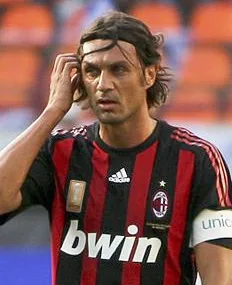
AC Milan
1985—2009Part of Capello’s unbeaten 1991/92 Milan defensive core.
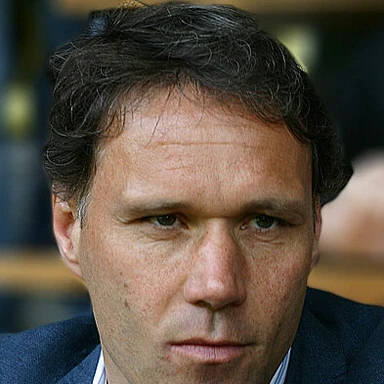 Photo: Paul Blank. Source and license in Image credits.
Coached this player in senior club or international football.
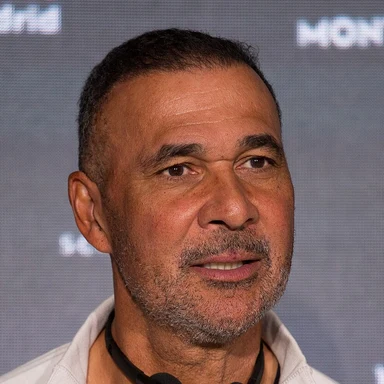 Photo: Barcex. Source and license in Image credits.
Haarlem · Feyenoord · PSV
1979—1998Coached this player in senior club or international football.
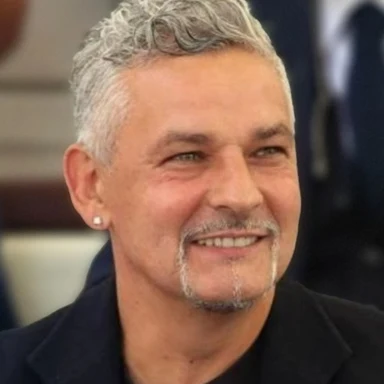 Photo: AbolfaZl0990. Source and license in Image credits.
Vicenza · Fiorentina · Juventus
1982—2004Coached this player in senior club or international football.

Cruzeiro · PSV · Barcelona
1993—2011Coached this player in senior club or international football.
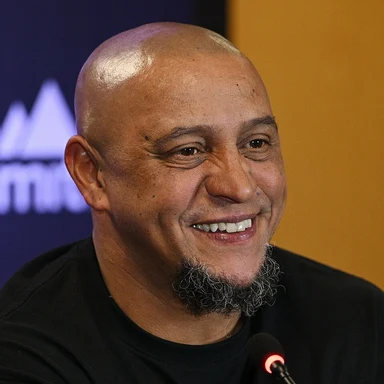 Photo: Web Summit. Source and license in Image credits.
União São João · Palmeiras · Inter Milan
1991—2016Coached this player in senior club or international football.
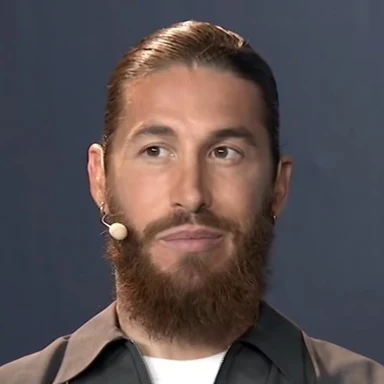 Photo: Real Madrid. Source and license in Image credits.
Sevilla · Real Madrid · Paris Saint-Germain
2004—PresentCoached this player in senior club or international football.
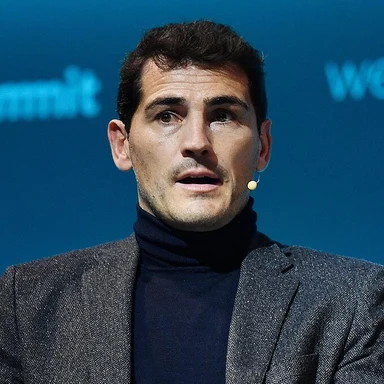 Photo: Web Summit. Source and license in Image credits.
Real Madrid · FC Porto
1999—2020Coached this player in senior club or international football.
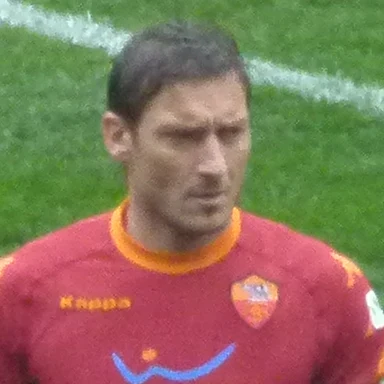 Photo: Totti_2011.jpg : Tontotti derivative work: TFCforever ( talk ). Source and license in Image credits.
AS Roma
1993—2017Roma’s captain in Capello’s 2001 title-winning side.
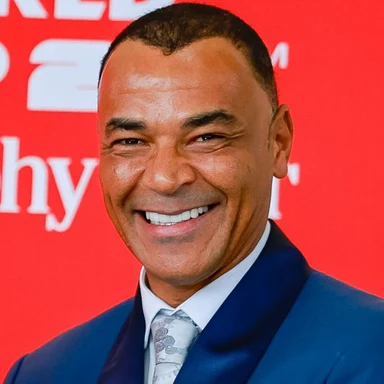 Photo: Lula Oficial. Source and license in Image credits.
São Paulo · Real Zaragoza · Juventude
1989—2008Coached this player in senior club or international football.

Padova · Juventus · Sydney FC
1991—2014Coached this player in senior club or international football.

Parma · Juventus · Paris Saint-Germain
1995—2023Coached this player in senior club or international football.

Liverpool · LA Galaxy
1998—2016Coached this player in senior club or international football.
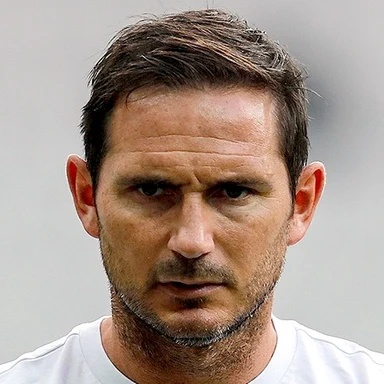 Photo: Mehdi Bolourian / Fars Media Corporation. Source and license in Image credits.
West Ham United · Swansea City · Chelsea
1995—2017Coached this player in senior club or international football.
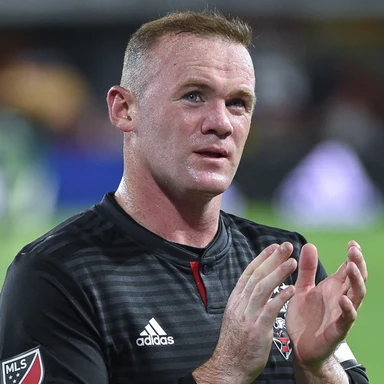 Photo: All-Pro Reels from District of Columbia, USA. Source and license in Image credits.
Everton · Manchester United · D.C. United
2002—2021Coached this player in senior club or international football.
 Photo: Mutari. Source and license in Image credits.
A central midfielder in Capello’s 1991/92 and 1992/93 Italian champions, before returning to Ajax.
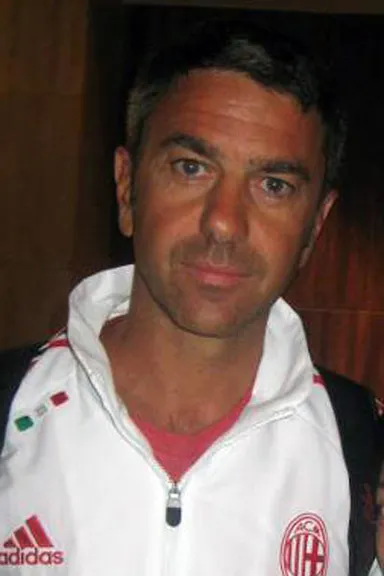 Photo: F1fans. Source and license in Image credits.
AC Milan · Monza
1986—2007A defensive mainstay in Capello’s Milan title cycles, suspended for the victorious 1994 European final.
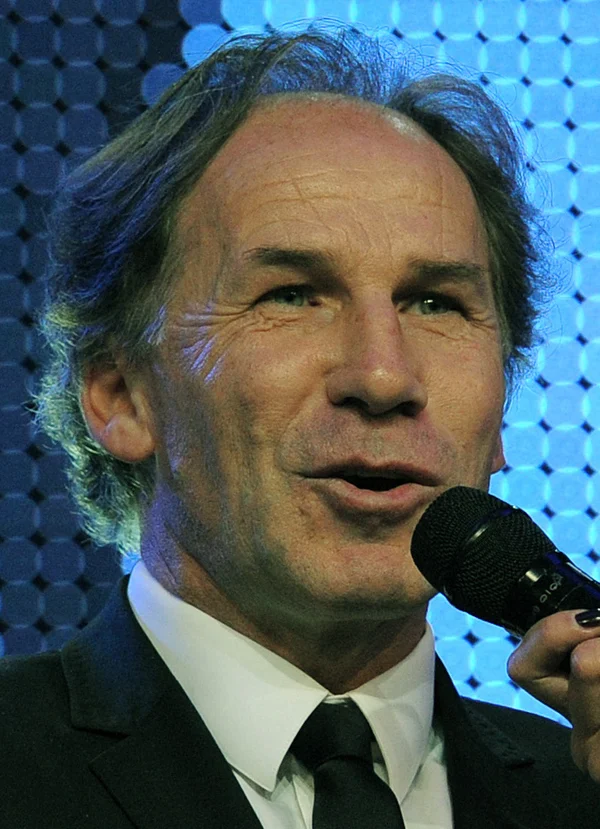 Photo: Kurt Schorrer / Sportnacht Davos. Source and license in Image credits.
AC Milan
1977—1997The defensive captain in Capello’s Milan league champions; suspended for the victorious 1994 European final.

Adaptive tournament manager
1992—Present · AC Milan · Real Madrid
Elite knockout strategist
2000—Present · Real Madrid · Inter Milan
Collective pressing pioneer
1973—2001 · AC Milan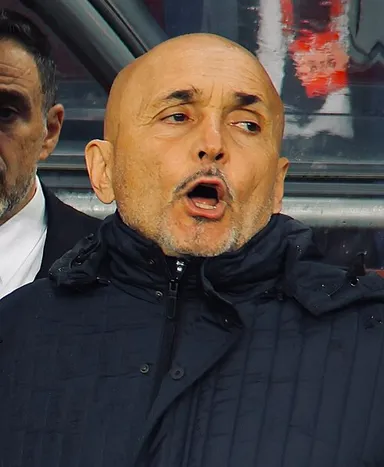 Photo: MichaelEmilio. Source and license in Image credits.
Collective movement and attacking relationships
1994—Present · Napoli · RomaCareer and honour facts cite their underlying sources, including clubs and governing bodies. Tactical readings are identified as editorial analysis.
Wikipedia (cited career reference)Fabio Capello — coaching chronologyAccessed 2026-09-14AS RomaCapello on the roles in Roma’s 2001 championship teamAccessed 2026-09-15RSSSFItaly 1991/92: final table and complete resultsAccessed 2026-09-15AC MilanMilan’s Italian Super Cup editionsAccessed 2026-09-15AC MilanMilan’s 1994 European Super Cup, played in February 1995Accessed 2026-09-15AS RomaRoma’s first Italian Super Cup in 2001Accessed 2026-09-15AC MilanMilan’s unbeaten 1991/92 titleAccessed 2026-09-14AC MilanMilan’s 1993/94 season archiveAccessed 2026-09-14UEFAMilan–Barcelona: the 1994 finalAccessed 2026-09-14AS RomaCapello on preparing Roma for the title deciderAccessed 2026-09-14AS RomaRoma–Parma: the 2001 title deciderAccessed 2026-09-14Real MadridReal Madrid’s 2007 title comebackAccessed 2026-09-14UEFACapello’s two Madrid league titlesAccessed 2026-09-14The FAEngland’s 150-year statistical reviewAccessed 2026-09-14AC MilanAC Milan: the Capello yearsAccessed 2026-09-14AC MilanMilan’s 1986/87 coaching transitionAccessed 2026-09-14