The creator within the forward line
- Touch before the finish
- Elite
- Left-channel creation
- Elite
- Partner combinations
- Elite
- Finishing variety
- Elite
- Defensive coverage
- Limited

Alessandro Del Piero
A creative second striker who connected the attack, worked the left channel and turned small changes of angle into varied finishes.
Senior club · all competitions
Completed club records only; not a complete career total.
Active club snapshots and records with another scope are excluded. Assist totals are not combined across incompatible definitions.
Stored archive snapshots, not live counters. Missing values are not zero; records with different scopes are never added together.
G/M = goals ÷ appearances. G+A = goals + assists. Per-90 metrics use documented minutes.
Senior international · all competitions
Stored archive snapshots, not live counters. Missing values are not zero; records with different scopes are never added together.
G/M = goals ÷ appearances. G+A = goals + assists. Per-90 metrics use documented minutes.
In context
Del Piero links Juventus’s European ambitions, injury and recovery, and the work of rebuilding after relegation. His football combines a recognisable shooting style with the movement and passing of a supporting forward.
Reading the game
Del Piero makes the second striker worth studying as a complete attacking role. He could move away from the centre-backs to receive, combine with a teammate and still become the player who finished the move. Starting left of centre gave his right foot a familiar route towards the far corner, but the same position also opened passing angles into the box. A defender therefore had to protect against more than the famous curled shot. Closing the shooting lane could release a partner; waiting could give Del Piero time to turn and choose.
His Juventus career also shows why a player’s history cannot be reduced to one physical peak. The early European breakthrough, recovery after the 1998 injury and later scoring revival involved different demands. His decision to stay after relegation gave the captaincy a practical meaning, while his contribution to Italy’s 2006 World Cup victory came within a squad where he was not the permanent attacking centre. These contexts help explain both his longevity and his limits: an inventive forward whose influence depended on attacking relationships, available space and the quality of the final action.
Historical references support the chronology; tactical explanations are museum editorial analysis.
Historical references: Juventus: Del Piero’s goal and assist at Dortmund in 1995 ↗ · Juventus: attacking changes and Del Piero’s 1998 injury ↗ · UEFA: Del Piero creates and scores against Madrid in 2003 ↗ · Juventus: promotion and the 2007/08 scoring title ↗ · FIFA: Italy’s 2006 semi-final and Del Piero’s late run ↗
Career
| Period | Club |
|---|---|
| 1991—1993 | PadovaThe professional starting point at Padova, 1991–1993. Complete competitive appearances, goals and assists have not been reconciled here. |
| 1993—2012 | JuventusComplete Juventus competitive record, 1993–2012: 705 appearances and 290 goals, confirmed by FIGC. This is an all-competitions club total, not a Serie A-only record. Assists remain unverified. Senior club · all competitions Captaincy · #10Performance record
|
| 2012—2014 | Sydney FCSydney FC records 48 A-League appearances and 24 goals across 2012–2014. This league record is kept separate from Juventus and is not labelled as an all-competitions total. Assists remain unverified. Senior club · league only Senior · #10Performance record
|
| 2014—2014 | Delhi DynamosDelhi Dynamos, 2014: the league documents his free-kick in the final match against Chennaiyin. A complete appearance and scoring total has not been reconciled here; missing values are not zero.Senior · #10 |
Stored archive snapshots, not live counters. Missing values are not zero; records with different scopes are never added together.
G/M = goals ÷ appearances. G+A = goals + assists. Per-90 metrics use documented minutes.
Honours
Juventus · league
Juventus · continental
Juventus · domestic cup
Juventus · domestic cup
Juventus · league
Juventus · continental
Juventus · world
Italy · world
Juventus · individual
Juventus · individual
Juventus · individual
Story
Club chapter
Arriving from Padova, Del Piero entered a Juventus attack with established personalities rather than a space reserved for a new star. His route into the side combined a forward’s threat with the technique to participate outside the penalty area. The 1995 visit to Dortmund offers a compact demonstration: a curled goal was followed by the cross for Conte’s header. Those were two outcomes from a player able to face the defence and judge its next movement. The subsequent European title placed that emerging skill within a team whose pressure, midfield support and other forwards made individual invention usable.
Historical references: FIGC: Del Piero’s career, honours and senior Italy record ↗ · Juventus: Del Piero’s goal and assist at Dortmund in 1995 ↗ · Alessandro Del Piero — Hall of Fame ↗
Explore club contextClub chapter
The late 1990s brought a sharper scoring edge alongside Inzaghi, with Zidane helping supply the attack. The serious injury in November 1998 interrupted that development; the following years should not be treated as an unchanged continuation of the early version. New partnerships, especially with Trezeguet and Nedvěd, offered different ways to connect and finish. Against Madrid in 2003, Del Piero helped create the opening goal before making room for his own shot. That sequence captures the mature balance between supporting a centre-forward and acting independently. Italy later required another adjustment, including the substitute’s run that completed the 2006 semi-final victory.
Historical references: Juventus: attacking changes and Del Piero’s 1998 injury ↗ · UEFA: Del Piero creates and scores against Madrid in 2003 ↗ · FIFA: Italy’s 2006 semi-final and Del Piero’s late run ↗ · Alessandro Del Piero — Hall of Fame ↗
Explore club contextClub chapter
Remaining at Juventus after the 2006 relegation turned continuity into a sporting task: winning promotion and rebuilding an attack capable of competing in Serie A. Del Piero’s scoring mattered alongside the decision to stay. His league scoring title after the return showed that the older forward could still produce decisive movement and execution. The two goals at Lazio are particularly useful evidence: both followed runs into the left channel and left-footed finishes, complicating a portrait based only on stationary right-foot curls. The later Madrid performance added another reminder that recognising space and preparing a shot could remain decisive against strong opposition.
Historical references: Juventus: promotion and the 2007/08 scoring title ↗ · Juventus: Del Piero’s two left-footed finishes at Lazio ↗ · UEFA: Del Piero’s two goals at the Bernabéu in 2008 ↗ · Alessandro Del Piero — Hall of Fame ↗
Explore club contextCareer chapter
The move to Sydney shifted Del Piero from the accumulated relationships of Juventus into an attack learning to use a new focal player. His club record confirms that the Australian chapter contained substantial scoring, not just appearances attached to a famous name. The football question was how teammates could find him in useful positions and continue their runs after he received. Delhi then provided a shorter final playing spell. His free-kick against Chennaiyin contributed to a comeback, while the league’s contemporary account also described uneven influence across the campaign. That combination preserves the achievement without presenting the final seasons as another copy of his European peak.
Historical references: Sydney FC: Del Piero’s 48 appearances and 24 goals ↗ · Indian Super League: Del Piero’s final-game free-kick in 2014 ↗
Profile
Second Striker
Also plays · Creative Forward
Moves left of the central striker, receives between defenders and combines before choosing a pass or shot. Body orientation opens the far corner, while short touches and either-foot finishing keep alternative routes available.
Curled finishing
Combination play
Set pieces
Final pass
Illustrative role zones · not tracking data
Receiving left of centre lets Del Piero see both the goal and a partner inside. Opening his body prepares a right-footed finish across the goalkeeper, but it also keeps the inside pass available. The useful advantage is the uncertainty this creates. If the defender rushes to block the shot, a short combination can exploit the movement; if he waits, Del Piero can prepare the strike.
He can drop towards the ball without turning every attack into a solo possession. A lay-off, a cushioned header or a pass around the corner gives the central striker a playable next action. Trezeguet’s presence occupied defenders and offered a destination; Del Piero’s movement offered the connection. The partnership works through different tasks, with each player capable of becoming the scorer after the initial exchange.
His touch can move the ball far enough to change a defender’s angle without requiring a long acceleration. Feints, a turn and a quick adjustment of the feet can therefore produce space for the shot. The 2003 Madrid goal demonstrates that economy inside a contested area. It is a different skill from winning a long sprint, even though the younger Del Piero also threatened by carrying into open ground.
The signature finish should be understood alongside the alternatives that made it dangerous. His left-footed goals against Lazio and Madrid show that protecting one side did not remove the threat. Free-kicks created another route when open-play space was scarce. Placement, preparation and choice of surface matter here; memorable examples establish the range of solutions, rather than proving an invented conversion rate for any particular shot.
A support forward must judge when to leave the ball to someone else. Del Piero could wait outside the central traffic, then run into the space a teammate’s carry exposed. The Germany goal in 2006 illustrates the timing of that return to the attack. It also underlines a collective limit: supplying width, defending transitions and holding the centre required contributions from the rest of the team.
Historical references: Juventus: Del Piero’s goal and assist at Dortmund in 1995 ↗ · Juventus: attacking changes and Del Piero’s 1998 injury ↗ · UEFA: Del Piero creates and scores against Madrid in 2003 ↗ · Juventus: Del Piero and Trezeguet’s attacking combinations ↗ · Juventus: Del Piero’s two left-footed finishes at Lazio ↗ · UEFA: Del Piero’s two goals at the Bernabéu in 2008 ↗ · FIFA: Italy’s 2006 semi-final and Del Piero’s late run ↗
Reading the game
| Era / team | Primary Role | Tactical Character |
|---|---|---|
| 1993–1996Juventus | Learning within an established attack | Moves around the left of the attack, combining a shooting threat with the final pass. |
| 1996–1998Juventus | A second striker with increasing scoring weight | Works around Inzaghi and the supply from Zidane, with freedom to carry and finish. |
| 2001–2006Juventus | Connecting to a central finisher | Combines with Trezeguet and links midfield arrivals to the penalty area. |
| 2006Italy | A selective tournament attacking option | The World Cup role includes substitute minutes and a timed run in the semi-final. |
| 2006–2012Juventus | The captain during rebuilding and return | Uses combinations, movement and set pieces through promotion and renewed top-flight competition. |
| 2012–2014Sydney FC / Delhi Dynamos | An experienced focal player abroad | Applies receiving and finishing craft within new teams; the later phase has different physical demands. |
Historical references: FIGC: Del Piero’s career, honours and senior Italy record ↗ · Juventus: Del Piero’s goal and assist at Dortmund in 1995 ↗ · Juventus: attacking changes and Del Piero’s 1998 injury ↗ · UEFA: the 1997/98 Champions League scoring record ↗ · UEFA: Del Piero creates and scores against Madrid in 2003 ↗ · Juventus: Del Piero and Trezeguet’s attacking combinations ↗ · Juventus: promotion and the 2007/08 scoring title ↗ · Juventus: Del Piero’s two left-footed finishes at Lazio ↗ · UEFA: Del Piero’s two goals at the Bernabéu in 2008 ↗ · FIFA: Italy’s 2006 semi-final and Del Piero’s late run ↗ · Sydney FC: Del Piero’s 48 appearances and 24 goals ↗ · Indian Super League: Del Piero’s final-game free-kick in 2014 ↗
Reading the game
The left-sided pocket is useful because it can produce a shot, a pass or a short carry. Del Piero’s reputation as a finisher made the other choices more dangerous: the defender could not simply invite him to shoot. The technique mattered most when he recognised which response the opponent had committed to and changed his next action accordingly.
Playing with a centre-forward gives creativity a different shape from that of a midfielder behind the attack. Del Piero could join the last line, withdraw from it and connect the next receiver without permanently leaving the scoring zone. His combinations with Trezeguet show how a supporting role can increase a partner’s threat while preserving the creator’s own route to goal.
The two Lazio finishes in 2007/08 and the opener at the Bernabéu in 2008 resist an overly narrow reading of his technique. He could complete the action with the left foot when that was the available route. This did not make every technique symmetrical; it meant an opponent could not safely defend him as though only one foot mattered.
The early attacker, the experienced partner and the World Cup substitute answered different football questions. Del Piero’s value survived those changes because receiving quality and finishing judgment could be applied in new arrangements. The later scoring revival is evidence of adaptation, while the injury and uneven final overseas spell prevent longevity from being mistaken for an uninterrupted physical peak.
Historical references: Juventus: Del Piero’s goal and assist at Dortmund in 1995 ↗ · Juventus: attacking changes and Del Piero’s 1998 injury ↗ · UEFA: Del Piero creates and scores against Madrid in 2003 ↗ · Juventus: Del Piero and Trezeguet’s attacking combinations ↗ · Juventus: promotion and the 2007/08 scoring title ↗ · Juventus: Del Piero’s two left-footed finishes at Lazio ↗ · UEFA: Del Piero’s two goals at the Bernabéu in 2008 ↗ · FIFA: Italy’s 2006 semi-final and Del Piero’s late run ↗ · Indian Super League: Del Piero’s final-game free-kick in 2014 ↗
Reading the game
Mobile second striker
The 1995–1998 version combined the ability to carry past an opponent with increasingly decisive shooting. He could start around the left side of the attack, join combinations and then threaten the goal himself. The Dortmund performance and the 1997/98 European scoring lead reveal a forward expanding his influence, rather than merely repeating a single specialist finish.
Combining second striker
In 2001–2003, the attacking relationships changed around Del Piero. Trezeguet supplied penalty-area movement and Nedvěd brought another route from midfield. Del Piero could connect those contributions and still manufacture his own shooting space. The Madrid semi-final is a useful representative match because the provider and scorer roles appear together within a demanding collective performance.
Experienced scoring partner
The 2007/08 season highlights movement and execution that remained effective after the club’s rebuilding year. Playing alongside Trezeguet, Del Piero could exploit the left channel or finish a combination instead of needing every attack to begin at his feet. Winning the league scoring title makes this a distinct later peak, not a claim that the earlier physical profile had simply returned unchanged.
Historical references: Juventus: Del Piero’s goal and assist at Dortmund in 1995 ↗ · Juventus: attacking changes and Del Piero’s 1998 injury ↗ · UEFA: the 1997/98 Champions League scoring record ↗ · UEFA: Del Piero creates and scores against Madrid in 2003 ↗ · Juventus: promotion and the 2007/08 scoring title ↗ · Juventus: Del Piero’s two left-footed finishes at Lazio ↗
Statistics
Club competitions
| Competition | Goals |
|---|---|
UEFA Champions League1997–98Juventus only · 1997/98 Champions League: ten appearances and ten goals. Other club competitions are excluded. Performance record
| 10 |
Serie A2007–08Juventus only · 2007/08 Serie A scoring title, 21 league goals. Appearances and assists are unverified in this selected record. | 21 |
Stored archive snapshots, not live counters. Missing values are not zero; records with different scopes are never added together.
G/M = goals ÷ appearances. G+A = goals + assists. Per-90 metrics use documented minutes.
International
International career
Italy senior career, 1995–2008: 91 appearances and 27 goals according to FIGC. A member of the 2006 World Cup-winning squad, he scored the second goal against Germany and converted in the final shoot-out. Shoot-out kicks are excluded from match and career goals; assists remain unverified.
Senior international · tournament splits
| Competition | Apps | Goals | G/M |
|---|---|---|---|
FIFA World Cup2006Italy only · 2006 World Cup: five appearances and one match goal. The final shoot-out conversion is not an additional goal. | 5 | 1 | 0.20 |
Stored archive snapshots, not live counters. Missing values are not zero; records with different scopes are never added together.
G/M = goals ÷ appearances. G+A = goals + assists. Per-90 metrics use documented minutes.
Reading the game
Del Piero represents a form of attacking authorship shared with the players around him. He could make the decisive touch, but he also helped another striker become dangerous through a lay-off, a movement away from the ball or an invitation to exchange passes. The relationship with a penalty-area reference such as Trezeguet is essential to that interpretation. Creativity did not always mean operating behind the entire forward line; it could emerge from one member of a front pair changing position while the other occupied the defence.
His Juventus records belong beside the less straightforward passages: losing European finals, returning from injury and playing in the second division. Staying made him a link between very different versions of the club, without making every season equally successful. Italy’s World Cup added another kind of contribution, shaped by selective minutes and a decisive late run rather than permanent control of the attack. Sydney and Delhi then extended the career into new football settings. The lasting lesson is the variety within a recognisable style: the curled finish was an emblem, while the deeper value lay in choosing when to create, when to move and when to take responsibility for the shot.
Historical references: FIGC: Del Piero’s career, honours and senior Italy record ↗ · Juventus: attacking changes and Del Piero’s 1998 injury ↗ · UEFA: Del Piero creates and scores against Madrid in 2003 ↗ · Juventus: promotion and the 2007/08 scoring title ↗ · FIFA: Italy’s 2006 semi-final and Del Piero’s late run ↗ · Sydney FC: Del Piero’s 48 appearances and 24 goals ↗ · Indian Super League: Del Piero’s final-game free-kick in 2014 ↗
Archive
Trequartista · editorial peak 1995—2006
Marcello Lippi · Fabio Capello
Zinedine Zidane— Overlapping Juventus era · Gianluigi Buffon— Overlapping Juventus era · Roberto Baggio— Overlapping Juventus era · Andrea Pirlo— Overlapping Juventus era
Lippi’s two cycles — Juventus · Relegation and recovery — Juventus · Nine consecutive league titles — Juventus

Adaptive tournament manager
1992—Present · AC Milan · Real Madrid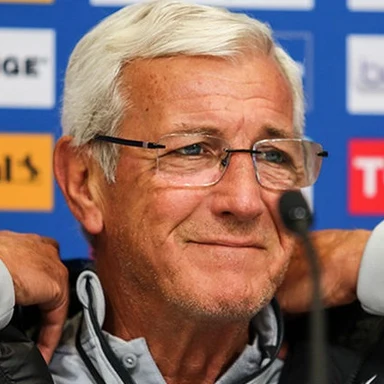 Photo: MojNews. Source and license in Image credits.
Adaptable collective organisation
1982—2019 · Juventus · Inter Milan Photo: Barcex (Wikimedia Commons); crop by EndzoneEnthusiast. Source and license in Image credits.
Discipline and defensive balance
1982—2018 · AC Milan · Real Madrid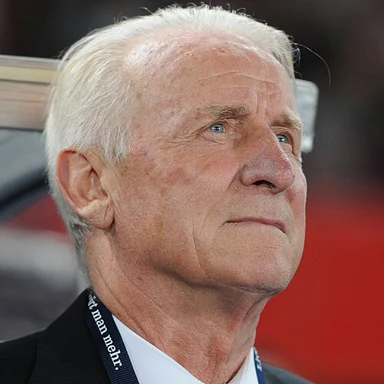 Photo: Michael Kranewitter, Wikimedia Commons, CC BY-SA 3.0 AT; crop by Heiko Gerber. Source and license in Image credits.
Pragmatic defensive organisation
1974—2013 · Juventus · Inter Milan
AS Cannes · Bordeaux · Juventus
1989—2006
Parma · Juventus · Paris Saint-Germain
1995—2023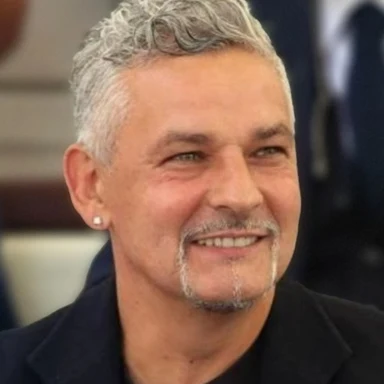 Photo: AbolfaZl0990. Source and license in Image credits.
Vicenza · Fiorentina · Juventus
1982—2004
AC Milan
1985—2009Parma · Juventus · Paris Saint-Germain
1995—2023Photo: AbolfaZl0990. Source and license in Image credits.Vicenza · Fiorentina · Juventus
1982—2004 Photo: Unknown author. Source and license in Image credits.
Argentinos Juniors · Boca Juniors · Barcelona
1976—1997 Photo: Евгений Асмолов. Source and license in Image credits.
São Paulo · AC Milan · Real Madrid
2001—2017
Novara · Udinese · Sampdoria
2012—PresentStatistics are displayed only within the scope supported by each cited source.
Italian Football FederationFIGC: Del Piero’s career, honours and senior Italy recordJuventusJuventus: Del Piero’s goal and assist at Dortmund in 1995JuventusJuventus: attacking changes and Del Piero’s 1998 injuryUEFAUEFA: the 1997/98 Champions League scoring recordUEFAUEFA: Del Piero creates and scores against Madrid in 2003JuventusJuventus: Del Piero and Trezeguet’s attacking combinationsJuventusJuventus: promotion and the 2007/08 scoring titleJuventusJuventus: Del Piero’s two left-footed finishes at LazioUEFAUEFA: Del Piero’s two goals at the Bernabéu in 2008FIFAFIFA: Italy’s 2006 semi-final and Del Piero’s late runFIFAFIFA: Del Piero’s five appearances and one goal in 2006Sydney FCSydney FC: Del Piero’s 48 appearances and 24 goalsIndian Super LeagueIndian Super League: Del Piero’s final-game free-kick in 2014Italian Football FederationAlessandro Del Piero — Hall of FameJuventus F.C.Alessandro Del Piero — Hall of Fame