Arrigo Sacchi ↗
Coach at AC Milan
Documented history
Ancelotti was a midfielder in Sacchi’s Milan, learning its collective approach from inside the team.

Adaptive tournament manager
A flexible manager associated with calm authority, elite-player management and structures adapted to the strengths of his squads.
Premier League · 2009–2021
Chelsea and Everton. League matches only; not a full managerial career total.
PPG uses three points for a win and one for a draw in league matches.
Stored archive snapshots, not live counters. Missing values are not zero; records with different scopes are never added together.
Win rate = wins ÷ matches. Points per game requires an explicit scoring convention; cup records are not silently treated as league points.
Career origins
Ancelotti’s football education included playing in Arrigo Sacchi’s Milan after joining the club in 1987. His route to the bench therefore began inside an elite team, before moving into assistant coaching with Italy and then independent club management.
Coach at AC Milan
Ancelotti was a midfielder in Sacchi’s Milan, learning its collective approach from inside the team.
Italy
Assistant coach
Worked with the national team before taking his first club head-coaching role.
Reggiana
Head coach
His first club appointment preceded Parma, Juventus and Milan.
Parma
Manager
Ancelotti later recalled declining to change his Parma system for Roberto Baggio’s preferred attacking-midfield role, and called that decision a mistake. Baggio did not become his Parma player.
Manager
In his own account, working with Zidane at Juventus helped him understand that a system should make players comfortable. Adaptability was learned through experience, rather than present fully formed at the start of his career.
UEFA Champions League
Milan defeated Juventus on penalties after a goalless final. Ancelotti had now won Europe’s leading club competition as both player and coach.
His playing and coaching education offers a useful lens on the balance in his later teams: collective organisation alongside room for gifted players to solve problems. This is a connection between experiences and ideas, not a claim that his methods stayed unchanged.
Tactics
Coaching identity
Build a workable team around the qualities of its players. Ancelotti’s continuity lies in balancing creative freedom with collective responsibilities, not in carrying one formation from club to club.
Height varies with personnel and opponent.
Selective pressure rather than one fixed pressing dogma.
Comfortable controlling games without rejecting transitions.
Adapts width to full-backs, wingers and midfield balance.
Can progress through midfield or attack space early.
Tactical analysis
The important question is which relationships make the squad effective. A deep organiser, an attacking midfielder and a runner need complementary jobs; fitting them into a preferred formation is secondary.
Freedom in the final third still needs cover behind the ball. When a forward leaves his lane, a teammate must offer width, depth or protection. Adaptability is an allocation of responsibilities, not the absence of a plan.
In Chelsea’s official retrospective, John Terry recalls trust and freedom under Ancelotti. That testimony helps explain his authority: experienced players can accept responsibility without every difficult moment becoming a public confrontation.
A distributor needs nearby recovery players and safe passing options. Milan’s Pirlo-centred midfield illustrates why technical quality and defensive work must be designed together.
In Madrid’s 2021/22 side, Benzema’s movement toward Vinícius created combinations while Kroos supported underneath. The opposite flank remained an outlet when the defence shifted across.
Selective pressure requires compact distances. A midfielder stepping forward must not leave an unprotected passing lane into the space behind him.
Defending a lead is more sustainable when an outlet can hold the ball or threaten depth. Removing every forward threat invites repeated attacks.
An extra playmaker changes the workload elsewhere. Full-backs supply width, midfield runners cover transitions and the striker offers depth beyond the creative line.
A substitution can change tempo, width or defensive cover without replacing the whole system. The useful question is which part of the opponent’s control needs to be interrupted.
Illustrative sequence, not a measured event model.
Use midfield quality to establish connections before increasing attacking risk.
Keep a forward outlet and shorten the distances between the defending lines.
Add a runner or a second target while preserving a route through midfield.
First restore access to the ball; attacking substitutions alone cannot repair an isolated midfield.
Interpretation is editorial, not an official rating or a direct quotation. Match results, team statistics and formations retain their documented sources.
Tactical analysis
Signature systems, tactical evolution and defining teams are read together. A starting formation does not describe every phase of play.
Pirlo directed play from deeper midfield, with Gattuso and Ambrosini supplying support. Seedorf and Kaká could operate behind a single striker in the Christmas-tree structure. This 2007 reference sits within a longer project: Ancelotti’s 100th Milan match secured the 2003 Coppa Italia against Roma; his 420th and final match was the 2009 win at Fiorentina that secured Champions League qualification.
The diamond and Christmas tree were related solutions, not one unchanging formation. Adding another midfielder increased central connections but placed greater responsibility for width on the full-backs.
2006/07 Champions League winner
Full Milan appointment, 2001–2009; the formation illustrates the 2007 team, not all 420 matches.
His early Chelsea diamond sought central control while the full-backs supplied width. Ancelotti presented the shape as adjustable, not a permanent prescription. Terry’s retrospective adds the human dimension: experienced players were trusted to take responsibility within that framework.
The Double showed that an adaptable, relationship-led approach could sustain an expansive league campaign as well as cup success.
2009/10 Premier League and FA Cup Double
Premier League · 2009/10 · team statistics
Madrid could defend collectively and then attack space at speed. Their Munich semi-final combined set-piece threat with devastating forward running.
The decisive lesson is not that every match should be a counterattack. A compact team still needs precise outlets and runners who make the recovered ball dangerous.
2013/14 Champions League winner
The 2021/22 reference shape linked Benzema and Vinícius with a technically secure midfield. Later personnel changes required a different distribution of attacking and midfield work; the diagram is not a claim about every subsequent season.
The 2024 European title came with Bellingham in a new attacking role. Continuity lay in accommodating influential players while finding enough collective balance to compete.
2023/24 Champions League winner
Managerial European Cup / Champions League titles · through June 2024
AC Milan2–1Liverpool
Final
Inzaghi scored both Milan goals. The result belongs to a team whose central technical connections supported a specialist finisher; it should not be read as a measure of territorial dominance.
Bayern Munich0–4Real Madrid
Semi-final · second leg · Real Madrid advanced 5–0 on aggregate.
Two Ramos headers changed the tie before Ronaldo added two goals. Set pieces and transition threat worked together; describing the match only as counterattacking overlooks how the lead was established.
Borussia Dortmund0–2Real Madrid
Final
The Wembley victory took Ancelotti to five European titles as a coach. It is evidence of sustained success across different squads, not proof that the teams of 2003 and 2024 played the same football.
Interpretation is editorial, not an official rating or a direct quotation. Match results, team statistics and formations retain their documented sources.
Profile
Before the 2024 European final, Ancelotti described senior players as examples of commitment, while younger teammates gradually assumed responsibility. His role was to manage the handover, not freeze the hierarchy around past winners.
After the Las Palmas draw in August 2024, he accepted that his strategy needed greater clarity. This complicates the easy description of a hands-off manager: player freedom still requires the coach to diagnose disconnected play and explain the collective task.
Terry’s first-person account describes a relaxed group that still wanted to push for trophies. The editorial reading is that calm authority and demanding standards can coexist: leaders transmit expectations, while individuals retain room to solve football problems.
Tactical analysis
By the 2021/22 league title, Ancelotti had won championships in Italy, England, France, Germany and Spain. His career demonstrates that elite coaching need not depend on imposing one national or club-specific model.
Milan remains a useful reference for fitting several creative players into a functioning team. The organiser, ball-winner and advanced creator were complementary roles, rather than competing claims to the same space.
Bayern won the league in his first season but dismissed him during the next. That contrast matters: trophies, tactical fit and dressing-room sustainability are related questions, not interchangeable measures.
Editorial comparison of recurring tendencies, not a ranking. Both coaches adapt; neither has used one unchanging approach across every team and era.
| Dimension | Carlo Ancelotti | José Mourinho ↗ |
|---|---|---|
| Core philosophy | Build complementary roles around the available players | Shape the plan around the opponent and the match problem |
| Possession | Technical combinations and tempo when the squad supports them | One tool among several ways to control risk |
| Transitions | Preserve an outlet and release talented runners | Prepare coordinated forward attacks from the defensive block |
| Leadership | Calm authority and delegated responsibility | Competitive intensity and a strong collective identity |
Interpretation is editorial, not an official rating or a direct quotation. Match results, team statistics and formations retain their documented sources.
Career
| Period | Organisation | Role |
|---|---|---|
| 1992—1995 | Italy | Assistant coach |
| 1995—1996 | Reggiana | Manager |
| 1996—1998 | Parma | Manager |
| 1999—2001 | Manager | |
| 2001—2009 | AC Milan AC Milan first team · complete 2001–2009 appointment, 420 matches. The club’s milestone history documents the total; no W-D-L split or league PPG is inferred. Eight honours cover the whole appointment, not only the 2007 team. Performance record
| Manager |
| 2009—2011 | Manager | |
| 2011—2013 | Manager | |
| 2013—2015 | Manager | |
| 2016—2017 | Head coach | |
| 2018—2019 | Manager | |
| 2019—2021 | Everton | Manager |
| 2021—2025 | Manager | |
| 2025—Now | BrazilContract renewed through the 2030 World Cup cycle. | National team coach |
Stored archive snapshots, not live counters. Missing values are not zero; records with different scopes are never added together.
Win rate = wins ÷ matches. Points per game requires an explicit scoring convention; cup records are not silently treated as league points.
| Competition | Period | Matches |
|---|---|---|
Premier League Chelsea and Everton. League matches only; not a full managerial career total. | 2009–2021 | 134 |
AC Milan · all competitions AC Milan first team · complete 2001–2009 appointment, 420 matches. The club’s milestone history documents the total; no W-D-L split or league PPG is inferred. Eight honours cover the whole appointment, not only the 2007 team. | 2001–2009 | 420 |
Real Madrid · both appointments Real Madrid senior team · all competitions through 24 May 2025. Both appointments combined, not a full coaching-career total. Draws and losses are omitted because the cited final report does not separate them; no league PPG is inferred. | 2013–2015 / 2021–2025 | 353 |
Stored archive snapshots, not live counters. Missing values are not zero; records with different scopes are never added together.
Win rate = wins ÷ matches. Points per game requires an explicit scoring convention; cup records are not silently treated as league points.
Honours
Real Madrid’s 15 trophies and Milan’s eight, plus selected league titles elsewhere; not a complete career trophy total. Includes domestic super cups. The 2024 FIFA Intercontinental Cup is separate from the 2007, 2014 and 2022 Club World Cups.
AC Milan
AC Milan
Managerial record
Managerial record
Real Madrid
Real Madrid
Real Madrid
AC Milan
Managerial record
Chelsea
Paris Saint-Germain
Bayern Munich
Real Madrid
Real Madrid’s 15 trophies and Milan’s eight, plus selected league titles elsewhere; not a complete career trophy total. Includes domestic super cups. The 2024 FIFA Intercontinental Cup is separate from the 2007, 2014 and 2022 Club World Cups.
Stored archive snapshots, not live counters. Missing values are not zero; records with different scopes are never added together.
G/M = goals ÷ appearances. G+A = goals + assists. Per-90 metrics use documented minutes.
Archive
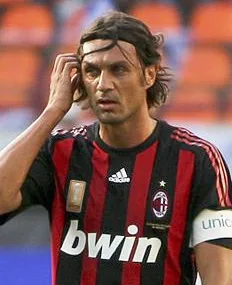
AC Milan
1985—2009Captain and defensive reference in Ancelotti’s Milan.

Sporting CP · Manchester United · Real Madrid
2002—PresentPrimary goalscorer of Ancelotti’s first Real Madrid spell.

Padova · Juventus · Sydney FC
1991—2014Worked together during Ancelotti’s Juventus appointment.

Cruzeiro · PSV · Barcelona
1993—2011Coached during Ronaldo’s AC Milan chapter.
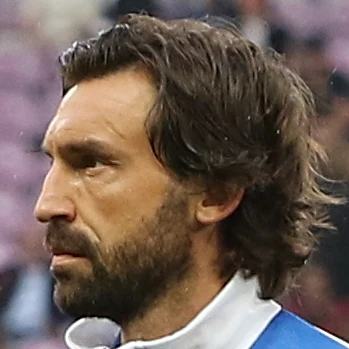 Photo: Clément Bucco-Lechat. Source and license in Image credits.
Brescia · Inter · Reggina
1995—2017The deep organiser in Ancelotti’s Milan midfield.
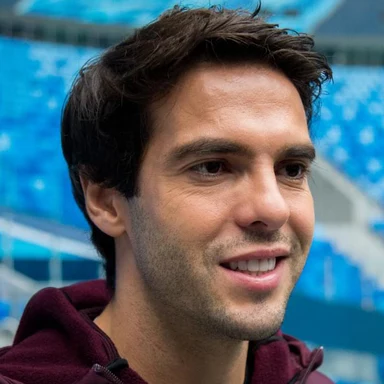 Photo: Евгений Асмолов. Source and license in Image credits.
São Paulo · AC Milan · Real Madrid
2001—2017An advanced creator in Milan’s 2007 European champions.
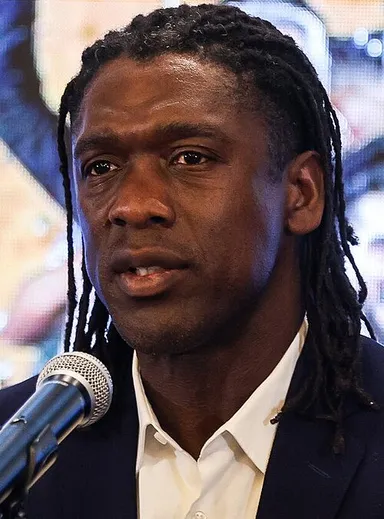 Photo: فاطمه عموزاد. Source and license in Image credits.
Connected midfield and attack in Ancelotti’s Milan.
 Photo: Real Madrid YouTube channel. Source and license in Image credits.
Olympique Lyonnais · Real Madrid · Al-Ittihad
2005—PresentLinked Madrid’s attack through movement and combinations in 2021/22.
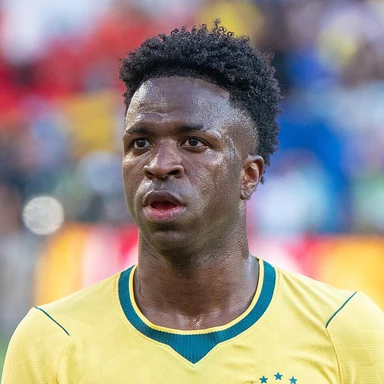 Photo: Bryan Berlin / WikiPortraits. Source and license in Image credits.
Flamengo · Real Madrid
2017—PresentThe left-sided attacking outlet in Ancelotti’s second Madrid spell.
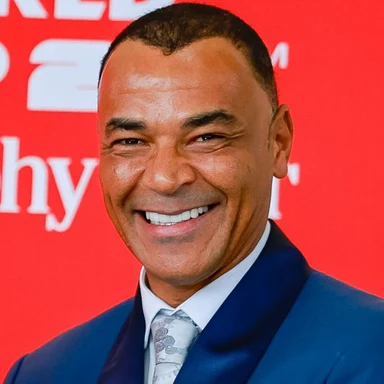 Photo: Lula Oficial. Source and license in Image credits.
São Paulo · Real Zaragoza · Juventude
1989—2008Worked together as player and head coach; see the overlapping club or national-team career entries.
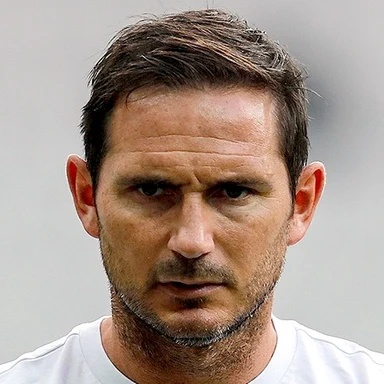 Photo: Mehdi Bolourian / Fars Media Corporation. Source and license in Image credits.
West Ham United · Swansea City · Chelsea
1995—2017Worked together as player and head coach; see the overlapping club or national-team career entries.
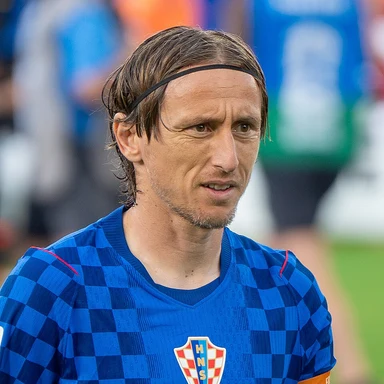 Photo: Bryan Berlin / WikiPortraits. Source and license in Image credits.
Dinamo Zagreb · Zrinjski Mostar · Inter Zaprešić
2003—PresentWorked together as player and head coach; see the overlapping club or national-team career entries.
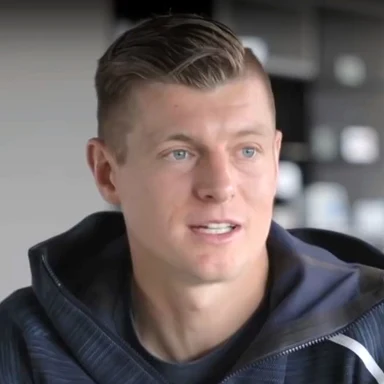 Photo: Real Madrid (YouTube channel). Source and license in Image credits.
Bayern Munich · Bayer Leverkusen · Real Madrid
2007—2024Worked together as player and head coach; see the overlapping club or national-team career entries.
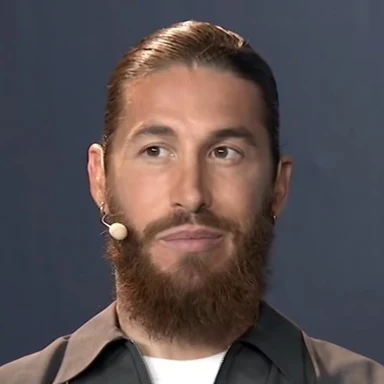 Photo: Real Madrid. Source and license in Image credits.
Sevilla · Real Madrid · Paris Saint-Germain
2004—PresentWorked together as player and head coach; see the overlapping club or national-team career entries.
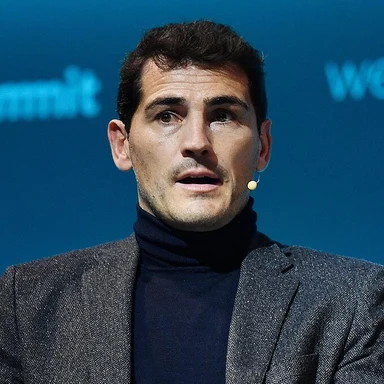 Photo: Web Summit. Source and license in Image credits.
Real Madrid · FC Porto
1999—2020Worked together as player and head coach; see the overlapping club or national-team career entries.
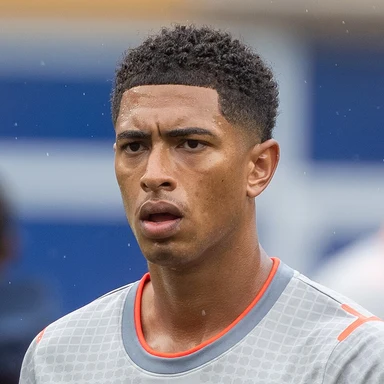 Photo: Bryan Berlin / WikiPortraits. Source and license in Image credits.
Birmingham City · Borussia Dortmund · Real Madrid
2019—PresentWorked together as player and head coach; see the overlapping club or national-team career entries.
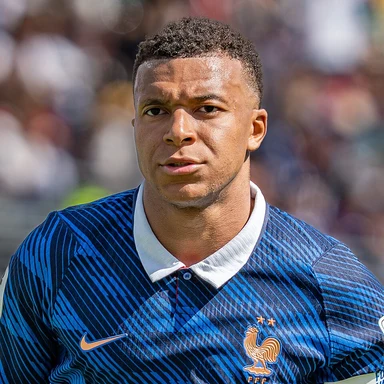 Photo: Bryan Berlin / WikiPortraits. Source and license in Image credits.
Monaco · Paris Saint-Germain · Real Madrid
2015—PresentWorked together as player and head coach; see the overlapping club or national-team career entries.
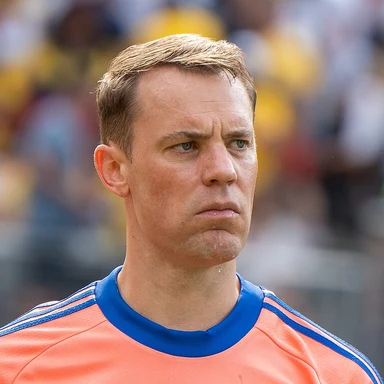 Photo: Bryan Berlin / WikiPortraits. Source and license in Image credits.
Schalke 04 · Bayern Munich
2006—PresentWorked together as player and head coach; see the overlapping club or national-team career entries.
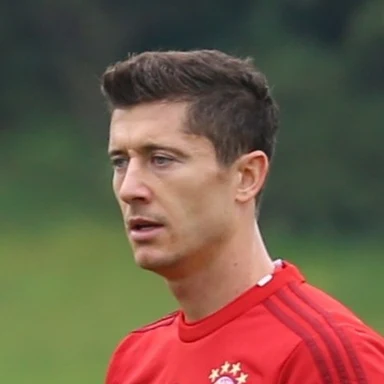 Photo: Rufus46. Source and license in Image credits.
Delta Warsaw · Legia Warsaw II · Znicz Pruszków
2005—PresentWorked together as player and head coach; see the overlapping club or national-team career entries.
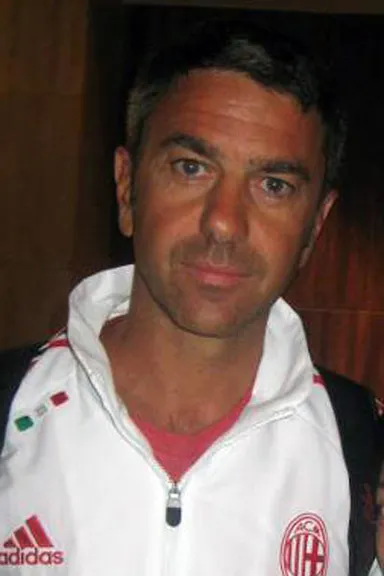 Photo: F1fans. Source and license in Image credits.
AC Milan · Monza
1986—2007The experienced defender who served Ancelotti at centre-back and full-back in Milan’s renewed European cycle.
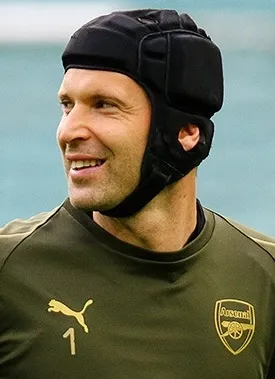 Photo: Amir Hosseini. Source and license in Image credits.
Chmel Blšany · Sparta Prague · Stade Rennais
1999—2019The goalkeeper in Ancelotti’s 2009/10 Chelsea double, saving a penalty in the FA Cup final.
 Photo: ChristopherJClarke. Source and license in Image credits.
Chelsea · Nottingham Forest ·
The defensive captain in Ancelotti’s 2009/10 Chelsea league and FA Cup double.
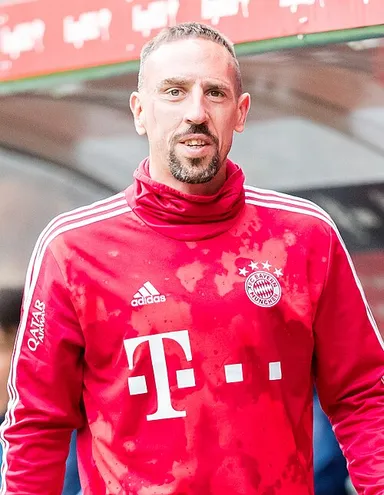 Photo: Sven Mandel. Source and license in Image credits.
US Boulogne · Olympique Alès · Stade Brestois
2000—2022A left-wing attacking reference in Ancelotti’s 2016/17 Bundesliga-winning Bayern.
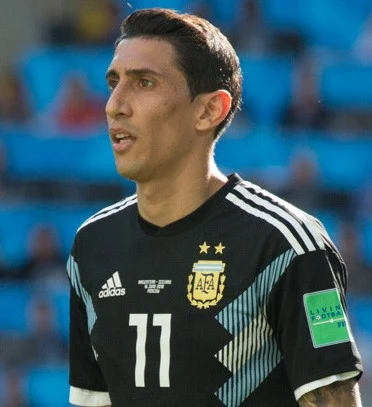 Photo: Екатерина Лаут. Source and license in Image credits.
Rosario Central · Benfica · Real Madrid
2005—PresentA left-sided midfield carrier and attacking connector in Ancelotti’s 2013/14 Madrid, decisive in the Lisbon Champions League final.
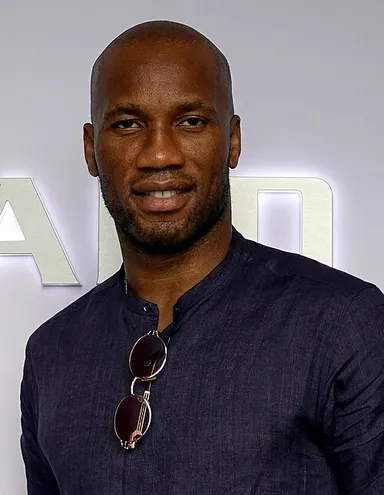 Photo: Y.Leclercq©. Source and license in Image credits.
Le Mans · Guingamp · Marseille
1998—2018Drogba scored 29 league goals in Ancelotti’s 2009/10 Chelsea league-and-FA-Cup double.

Positional football architect
2007—2026 · Barcelona · Bayern Munich
Elite knockout strategist
2000—Present · Real Madrid · Inter Milan
Collective pressing pioneer
1973—2001 · AC Milan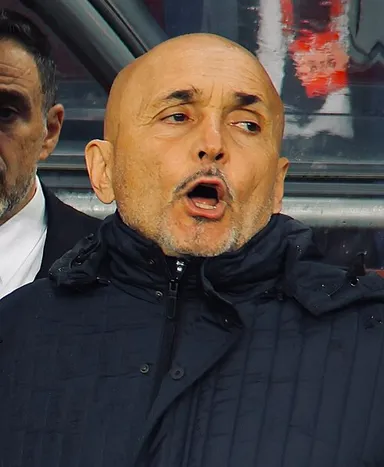 Photo: MichaelEmilio. Source and license in Image credits.
Collective movement and attacking relationships
1994—Present · Napoli · RomaCareer and honour facts cite their underlying sources, including clubs and governing bodies. Tactical readings are identified as editorial analysis.
Real Madrid C.F.Carlo Ancelotti — career and honoursAccessed 2026-09-01Real Madrid C.F.Ancelotti’s final Real Madrid matchAccessed 2026-09-01Confederação Brasileira de FutebolCBF renews Carlo Ancelotti contract through 2030Accessed 2026-09-01AC MilanAncelotti: 420 Milan matchesAccessed 2026-09-15AC MilanMilan: 2004 Italian Super CupAccessed 2026-09-15UEFAAncelotti’s Milan UEFA Super CupsAccessed 2026-09-15AC MilanMilan: 2007 FIFA Club World CupAccessed 2026-09-15Real MadridAncelotti’s completed Real Madrid match recordAccessed 2026-09-14Premier LeaguePremier League managerial results — 31 January 2024 snapshotAccessed 2026-09-13FIFAFIFA: Real Madrid’s 2024 Intercontinental CupAccessed 2026-09-14FIFAFIFA: Ancelotti’s Club World Cup editionsAccessed 2026-09-14Real MadridAncelotti on senior players and generational renewalAccessed 2026-09-14Real MadridAncelotti on responsibility for tactical clarityAccessed 2026-09-14UEFAAncelotti’s Chelsea: a flexible midfield diamondAccessed 2026-09-14Real MadridAncelotti: fifteen Real Madrid trophiesAccessed 2026-09-14Coaches’ VoiceCarlo Ancelotti — tactical analysisAccessed 2026-09-14AC MilanMilan’s Christmas-tree midfieldAccessed 2026-09-14Chelsea FCJohn Terry on Ancelotti and the 2009/10 DoubleAccessed 2026-09-14AC MilanMilan’s 2006/07 Champions League campaignAccessed 2026-09-14UEFAReal Madrid — 2023/24 European championsAccessed 2026-09-14UEFABayern 0–4 Real Madrid — 2014 semi-finalAccessed 2026-09-14FC BayernBayern under Guardiola and AncelottiAccessed 2026-09-14Real MadridCarlo Ancelotti — coaching chronologyAccessed 2026-09-14Real MadridAncelotti — two Real Madrid league titlesAccessed 2026-09-14Real MadridAncelotti on learning to adapt: Parma and JuventusAccessed 2026-09-14UEFAAncelotti: from player to coachAccessed 2026-09-14AC MilanCarlo Ancelotti — Milan playing archiveAccessed 2026-09-14UEFAMilan lift European crownAccessed 2026-09-14