Defining football actions
- Acceleration after a feint
- Elite
- Dribbling at speed
- Elite
- Central off-ball movement
- Excellent
- Final-third decisions
- Excellent
- Defensive positioning
- Limited
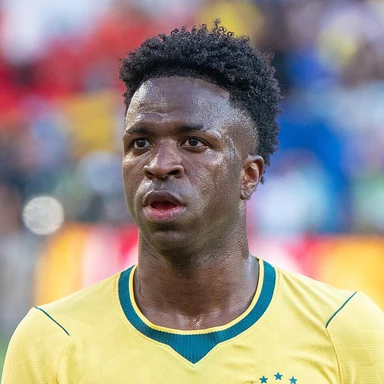 Photo: Bryan Berlin / WikiPortraits. Source and license in Image credits.
Vinícius José Paixão de Oliveira Júnior
A left-sided forward who turns acceleration and changes of direction into chances, increasingly dangerous as a receiver through the middle.
In context
His Madrid development connects individual dribbling with shared movement: the winger can prepare the chance, draw the cover or arrive to finish it.
Reading the game
Vinícius Júnior matters because he makes a settled defence move. Starting on the left, he can force a full-back to retreat, draw a second opponent across and create space for someone who has not touched the ball. His speed is the most visible part of that process, but its value depends on the next decision: continue outside, turn towards goal or release a teammate before the cover arrives. An isolated duel can become a change in the geometry of the whole attack. His development at Madrid adds another layer. With Benzema, he learned to connect the run with a nearby passing partner; later, he became more dangerous receiving through the middle and finishing moves from the opposite side. The decisive goals in the 2022 and 2024 European finals make that evolution easy to remember. They should also direct attention to the work before the finish: the supporting pass, the defender drawn away and the moment he changes direction. His best football joins disruption with timing, giving a team both a route through pressure and a destination near goal.
Historical references support the chronology; tactical explanations are museum editorial analysis.
Historical references: UEFA: analysis of the 2022 European final ↗ · UEFA: Vinícius’s central movement against Bayern ↗ · UEFA: Madrid wins the 2024 European final ↗
Career
| Period | Club |
|---|---|
| 2017—2018 | FlamengoFlamengo first-team spell, 2017–2018. Complete senior appearances, goals and assists have not been verified here; blank values are not zero. |
| 2018—Now | Real MadridReal Madrid first-team record through 2024/25, including the 2025 Club World Cup: 322 appearances and 106 goals. Castilla and later seasons are excluded; this is a dated snapshot, not a live total. Senior club · all competitions Performance record
|
Stored archive snapshots, not live counters. Missing values are not zero; records with different scopes are never added together.
G/M = goals ÷ appearances. G+A = goals + assists. Per-90 metrics use documented minutes.
Honours
Real Madrid · continental
Real Madrid · league
Real Madrid · domestic cup
Real Madrid · domestic cup
Real Madrid · continental
Real Madrid · world
Real Madrid · world
Real Madrid · individual
Real Madrid · individual
Story
Career chapter
Flamengo supplied the first senior stage before Madrid became the setting for his development. The move from academy football to the first team in 2017 placed a young attacker in situations where a successful dribble still needed a useful continuation. That is the football question running through his early career: how does beating one opponent help the next phase? His move to Spain in 2018 changed the speed of the combinations and the expectations around every possession. The Flamengo chapter is therefore a beginning rather than a finished explanation. It establishes the attacking impulse that Madrid would later refine through better timing, supporting relationships and choices near goal.
Historical references: Real Madrid: Vinícius’s career profile ↗ · Vinícius Júnior — biographical and career reference ↗
Club chapter
Madrid's early years asked Vinícius to make the action after acceleration more reliable. Benzema offered a crucial reference: a striker who could leave the centre, receive nearby and return the ball into the runner's path. The winger did not have to solve every attack by beating a second defender alone. By 2021/22, that relationship helped connect his left-sided carrying with a more productive presence near goal. The European final against Liverpool supplied a different finish to the story. Valverde delivered from the right and Vinícius arrived at the far post. His decisive action was the run and contact, showing why improvement could also mean doing less with the ball.
Historical references: UEFA: analysis of the 2022 European final ↗ · UEFA: Madrid’s combinations at Liverpool in 2023 ↗ · Vinícius Júnior — biographical and career reference ↗
Explore club contextClub chapter
Benzema's departure changed Madrid's attacking reference in 2023/24. With Rodrygo moving across the front and Bellingham arriving from midfield, Vinícius could alternate between the left channel and more central positions. Against Bayern in Munich, he drew a defender forward before reversing his movement to meet Kroos's pass behind the line. The advantage came from manipulating a marker, not simply outrunning one from a standing start. Another European final goal followed against Dortmund. The two finals frame a broader development: he remained a winger capable of creating disorder, while becoming a more complete target for passes through the middle and chances already prepared by teammates.
Historical references: UEFA: Vinícius’s central movement against Bayern ↗ · UEFA: Madrid wins the 2024 European final ↗ · Vinícius Júnior — biographical and career reference ↗
Explore club contextClub chapter
Mbappé's arrival in 2024 introduced another forward comfortable attacking from the left. The practical task became coordinating departures and arrivals so that their preferred spaces did not become crowded. Against Dortmund that October, Vinícius's long carry for Madrid's fourth goal benefited from Mbappé occupying a defender ahead of him. Individual speed worked within a shared movement. The same match also exposed the importance of the team's defensive shape before its second-half recovery. This chapter is an adjustment rather than a completed verdict on the partnership. His threat remains distinctive, but the quality of the attack depends on who holds width, who runs beyond and who covers when possession is lost.
Historical references: UEFA: Vinícius’s carrying against Dortmund in 2024 ↗ · UEFA: Madrid’s second-half adjustment against Dortmund ↗
Explore club contextProfile
Inverted Winger
Also plays · Inside Forward
Held width, attacked the outside shoulder and then cut towards goal or found a teammate across the box.
Acceleration
Dribbling
Chance creation
Off-ball runs
Illustrative role zones · not tracking data
Starting wide can separate the full-back from central cover. Vinícius then varies the distance between touches, inviting a step before accelerating beyond it. The first duel is partly prepared by the pass that reaches him early and by teammates occupying nearby defenders. Against a settled double team, recycling possession can be the action that creates a better isolation on the next attempt.
His right foot makes the inward route towards goal attractive, but the outside run prevents defenders from simply closing that lane. A change of pace matters as much as a change of direction: slowing can make an opponent plant a foot, leaving the next acceleration harder to match. The decision still has to account for the covering centre-back and the available passing angle.
The Munich goal in 2024 shows how receiving can be prepared without the ball. Vinícius moves towards the passer, draws his marker out and then changes direction into the space behind. Kroos must recognise the same opening and deliver at the right instant. The mechanism gives his pace a head start, but its foundation is the coordination between the runner and the passer.
Reaching the area does not automatically make a shot the best option. A short combination with Benzema, a ball across goal or a cut-back towards a midfielder can exploit the defender who has moved to stop him. Vinícius's creative value grows when he looks beyond the first escape. Holding the ball for another touch can improve an angle, or allow the defence to recover.
Keeping him high can discourage an opponent from committing every player forward, but it also leaves defensive work for the players behind. Madrid's balance depends on connected distances and clear decisions about when the forwards press or screen. A spectacular recovery run cannot replace that organisation. His value should therefore include the threat he preserves for the next attack and the spaces the team must protect.
Historical references: UEFA: Madrid’s combinations at Liverpool in 2023 ↗ · UEFA: Vinícius’s central movement against Bayern ↗ · UEFA: Madrid wins the 2024 European final ↗ · UEFA: Vinícius’s carrying against Dortmund in 2024 ↗ · UEFA: Madrid’s second-half adjustment against Dortmund ↗
Reading the game
| Era / team | Primary Role | Tactical Character |
|---|---|---|
| 2017–2018Flamengo | First senior attacking stage | Carries the threat from youth football into senior duels and decisions. |
| 2018–2022Real Madrid | Combining with a mobile centre-forward | Uses Benzema as a nearby passing reference before continuing towards goal. |
| 2022–2024Real Madrid | Width and central receiving | Alternates wide duels with runs behind central defenders and arrivals near goal. |
| 2024–2025Real Madrid | Coordinating the left with Mbappé | Balances carrying with another forward’s runs while the team adjusts its defensive shape. |
Historical references: Real Madrid: Vinícius’s career profile ↗ · UEFA: analysis of the 2022 European final ↗ · UEFA: Madrid’s combinations at Liverpool in 2023 ↗ · UEFA: Vinícius’s central movement against Bayern ↗ · UEFA: Madrid wins the 2024 European final ↗ · UEFA: Vinícius’s carrying against Dortmund in 2024 ↗ · UEFA: Madrid’s second-half adjustment against Dortmund ↗
Reading the game
Repeated attempts are useful when they change the problem for the defender. An outside run can prepare a later inside cut; an early pass can stop the opponent anticipating another dribble. Vinícius's persistence becomes most productive when it includes that variation. Merely repeating the same route into the same cover would turn an attacking strength into predictable possession loss.
A defender moving towards the ball needs time to turn and recover. Vinícius can use that transition by changing his own direction first. The resulting separation may look like a simple footrace, yet the advantage has already been created. His movement against Bayern illustrates why anticipation and acceleration belong together in assessing his threat.
When an attack develops on the right, his starting position can put him outside a defender's immediate field of view. The task is to approach the finish without moving too early into a marked position. The 2022 final goal is the clearest landmark: a decisive contribution created by following the play across the pitch and arriving for the delivery.
His long carry against Dortmund in 2024 is memorable as an individual action, but Mbappé's movement ahead helped occupy the defence. That relationship is central to understanding elite dribbling. Teammates can make the second challenge harder to deliver, allowing the carrier to keep moving. The dribbler gets the visible finish; the attacking structure helps preserve the route.
Historical references: UEFA: analysis of the 2022 European final ↗ · UEFA: Vinícius’s central movement against Bayern ↗ · UEFA: Vinícius’s carrying against Dortmund in 2024 ↗
Reading the game
Left winger alongside Benzema
The 2021/22 version linked his left-wing acceleration to Benzema's movement and a more dependable final action. He could begin the move by carrying or finish it after someone else had progressed the ball. The winner against Liverpool captures the latter route. This peak is about the relationship between an established centre-forward and a winger learning when to pass, continue and arrive.
Left-sided forward with central movement
In 2023/24, his work between central defenders became a more important complement to the familiar wide threat. The Munich movement and the finish at Wembley show different ways of becoming available near goal. UEFA's season award recognised the European campaign, but the football distinction is more specific: he could now shape a chance through receiving and movement as well as through a dribble.
Wide carrier around Mbappé
The October 2024 comeback against Dortmund provides a concentrated example of his threat with Mbappé ahead of him. The fourth Madrid goal combined a sustained carry, a defender occupied by the other forward and a cut inside to finish. It is a peak performance within a season of adjustment, rather than a claim that the entire campaign surpassed the previous one. The distinction keeps a memorable match in its proper context.
Historical references: UEFA: analysis of the 2022 European final ↗ · UEFA: Vinícius’s central movement against Bayern ↗ · UEFA: Madrid wins the 2024 European final ↗ · UEFA: Vinícius, Player of the Season 2023/24 ↗ · UEFA: Vinícius’s carrying against Dortmund in 2024 ↗
Statistics
| Season | Club | Apps | Goals | G/M |
|---|---|---|---|---|
| 2023–24 | Real Madrid Senior club · all competitions | 39 | 24 | 0.62 |
| 2022–23 | Real Madrid Senior club · all competitions | 55 | 23 | 0.42 |
Stored archive snapshots, not live counters. Missing values are not zero; records with different scopes are never added together.
G/M = goals ÷ appearances. G+A = goals + assists. Per-90 metrics use documented minutes.
Selected verified seasons only. Both rows cover all official first-team competitions. Assists have not been reconciled across providers and remain blank; these seasons are not a complete career total.
International
International career
Brazil senior debut in September 2019. At the 2022 World Cup he scored against Korea Republic in the round of 16. Complete senior caps and goals have not been verified for this dossier, so totals remain blank.
Reading the game
Vinícius has already shown how a winger can grow without abandoning the qualities that first made him distinctive. The repeated attempt to beat an opponent remains central, yet his influence now also includes movements that require no dribble at all. That combination matters for the history of the position: width, creation and scoring need not belong to three different players, provided the team gives each action a workable context. His European final goals offer memorable landmarks, while the less spectacular supporting runs explain how those landmarks become possible. His career is still active, so a final historical ranking would be premature. Madrid's success does not make every performance equally complete, and his Brazil role must be considered within different partnerships and preparation time. The continuing challenge is to preserve the danger of the individual duel while improving the decisions and defensive connections around it. Future seasons will test how he responds to changing teammates, crowded attacking spaces and opponents who deny him a running start. The achievement already established is a transformation from promising carrier into a forward who can alter both the beginning and the ending of an attack.
Historical references: Real Madrid: Vinícius’s career profile ↗ · UEFA: analysis of the 2022 European final ↗ · UEFA: Vinícius’s central movement against Bayern ↗ · UEFA: Madrid wins the 2024 European final ↗ · FIFA: Vinícius’s Brazil role and World Cup development ↗
Archive
Inverted Winger · editorial peak 2021—2024
Luka Modrić— Overlapping Real Madrid era · Kylian Mbappé— Overlapping Real Madrid era · Jude Bellingham— Overlapping Real Madrid era · Sergio Ramos— Overlapping Real Madrid era
Ancelotti’s second cycle — Real Madrid

Adaptive tournament manager
1992—Present · AC Milan · Real Madrid
Positional connections, midfield control and adaptable defensive structures
2018—Present · Bayer Leverkusen · Real Madrid
Midfield balance and dressing-room trust
2013—Present · Real Madrid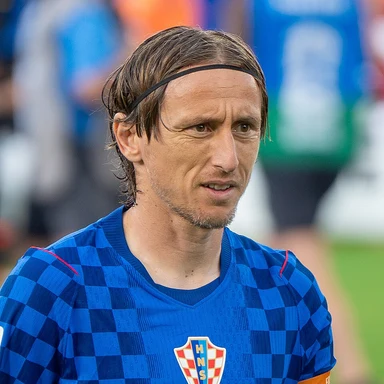 Photo: Bryan Berlin / WikiPortraits. Source and license in Image credits.
Dinamo Zagreb · Zrinjski Mostar · Inter Zaprešić
2003—Present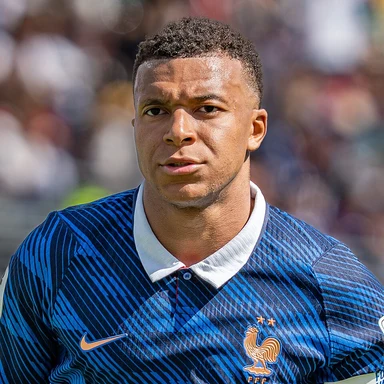 Photo: Bryan Berlin / WikiPortraits. Source and license in Image credits.
Monaco · Paris Saint-Germain · Real Madrid
2015—Present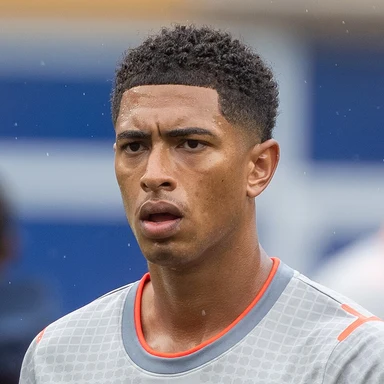 Photo: Bryan Berlin / WikiPortraits. Source and license in Image credits.
Birmingham City · Borussia Dortmund · Real Madrid
2019—Present
Cruzeiro · PSV · Barcelona
1993—2011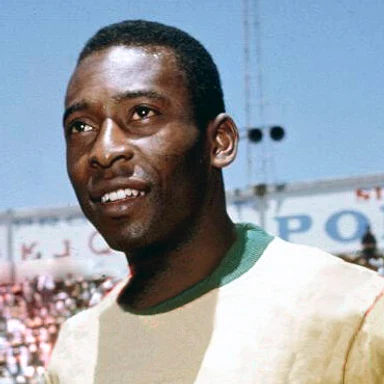 Photo: Unknown author. Source and license in Image credits.
Santos · New York Cosmos
1956—1977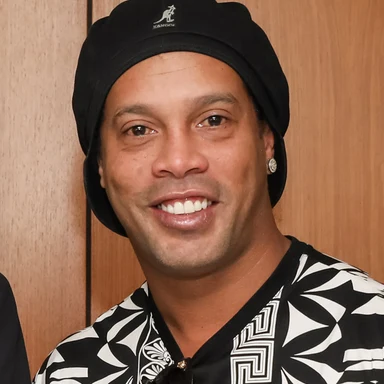 Photo: Marcos Corrêa/PR. Source and license in Image credits.
Grêmio · Paris Saint-Germain · FC Barcelona
1998—2018Photo: Marcos Corrêa/PR. Source and license in Image credits.Grêmio · Paris Saint-Germain · FC Barcelona
1998—2018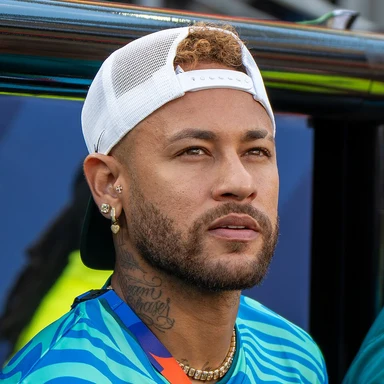 Photo: Bryan Berlin / WikiPortraits. Source and license in Image credits.
Santos · FC Barcelona · Paris Saint-Germain
2009—Present
FC Barcelona
2023—PresentStatistics are displayed only within the scope supported by each cited source.
Real MadridReal Madrid: Vinícius’s career profileReal MadridVinícius’s Madrid record through 2024/25Real MadridMadrid confirms Vinícius’s completed 2022/23 totalsFIFAFIFA: Vinícius wins The Best 2024UEFAUEFA: analysis of the 2022 European finalUEFAUEFA: Madrid’s combinations at Liverpool in 2023UEFAUEFA: Vinícius’s central movement against BayernUEFAUEFA: Madrid wins the 2024 European finalUEFAUEFA: Vinícius, Player of the Season 2023/24UEFAUEFA: Vinícius’s carrying against Dortmund in 2024UEFAUEFA: Madrid’s second-half adjustment against DortmundFIFAFIFA: Vinícius’s Brazil role and World Cup developmentReal MadridMadrid wins the 2024 FIFA Intercontinental CupWikipedia (cited biographical reference)Vinícius Júnior — biographical and career reference