7
European Cups
First · 1962–63
Latest · 2006–07View winning seasons
1962–63 · 1968–69 · 1988–89 · 1989–90 · 1993–94 · 2002–03 · 2006–07
Associazione Calcio Milan
Red and black, European nights and a lineage of defenders and playmakers: Milan’s identity is built on style carrying the weight of victory.
Overview
Historical assessment
Overall Historical Index
95/100Football Legends DB editorial assessment
Football Legends DB editorial / historical index. This is not an official FIFA or UEFA ranking, a live form table or a player rating.
Version 1.0: editors assess eight dimensions from 0–100 using the cited historical record. The overall score is their equally weighted arithmetic mean, rounded to the nearest whole number. Trophy totals are evidence, not points automatically added to a formula.
Assessment guide: 0–39 limited documented impact; 40–59 established national contribution; 60–79 sustained national or continental influence; 80–94 major international influence; 95–100 a historical benchmark across generations. These are editorial judgements, not measured percentiles. Missing evidence means no published index.
World titles and sustained success across eras inform the historical and international assessments. Scores may be revised when the evidence or editorial assessment changes.
Assessment notes · Seven European Cups and the influence of the Sacchi–Capello era underpin the assessment. Academy defenders and elite creators support the player legacy. Domestic dominance and continuity score lower because Milan’s successes have been interrupted by substantial rebuilding periods.
Current chapter
Season
2026–27Verified
Amorim was appointed in June 2026. Scaroni remains chairman, and the club’s 2026–27 register includes Modrić, Pulisic and Maignan. Current roles are recorded separately from the achievements of earlier coaching eras.
Honours
First · 1962–63
Latest · 2006–07First · 1901
Latest · 2021–22First · 1966–67
Latest · 2002–03First · 1988
Latest · 2024First · 1989
Latest · 2007First · 1967–68
Latest · 1972–73First · 1969
Latest · 1990First · 2007
Latest · 2007History
The club is founded in Milan, adopting colours meant to embody fire and fear.
Nordahl, Gren and Liedholm helped Milan end a 44-year league-title wait in 1950/51 and win the Latin Cup that summer.
Tactical identity · Gren and Liedholm’s creative service found a central finishing reference in Nordahl.
Milan’s first two European Cups established an Italian presence at the summit.
Tactical identity · Defensive organisation gave Rivera a platform to create for the forwards.
Explore the defining match ↗The tenth Italian championship brought the first star above the badge.
Two spells in Serie B interrupted the club’s top-flight history before its later European renewal.
A domestic title and consecutive European Cups made Milan a reference for collective football.
Tactical identity · A compact high line moved together with the midfield, using pressing to control space.
Explore the defining match ↗Four league titles in five seasons and the 1994 European Cup prolonged Milan’s great cycle.
Tactical identity · A disciplined defensive structure accommodated different combinations of creative and attacking players.
Explore the defining match ↗Two European Cups surrounded the loss in Istanbul, with a core of experienced defenders and gifted midfielders.
Tactical identity · Pirlo organised from deep; Seedorf and Kaká provided complementary routes through midfield.
Explore the defining match ↗The 2022 title ended an eleven-year wait and gave a new generation its own championship memory.
Tactical identity · Athletic pressing and fast attacks from wide areas supported the renewed team.
Defining games
European Cup · Final
Altafini’s two goals overturned Benfica’s lead, with Rivera helping create the winner. Milan became Italy’s first European Cup winners.
European Cup · Final
AC Milan 4–0 Steaua București
Camp Nou, Barcelona
Gullit and Van Basten scored twice each. The emphatic final gave a European crown to Sacchi’s collective system.
Champions League · Final
Without the suspended Baresi and Costacurta, Capello’s side still controlled the final. Savićević’s lob became its enduring image.
Champions League · Final
AC Milan 3–3 Liverpool
After extra time · Lost 2–3 on penalties
Atatürk Olympic Stadium, Istanbul
Milan led 3–0 at half-time but conceded three goals after the interval and lost the shoot-out. The defeat belongs in the archive beside the victories.
Champions League · Final
Inzaghi scored twice as Milan met Liverpool again. Maldini’s final European Cup connected another triumph to a career spanning generations.
Legends
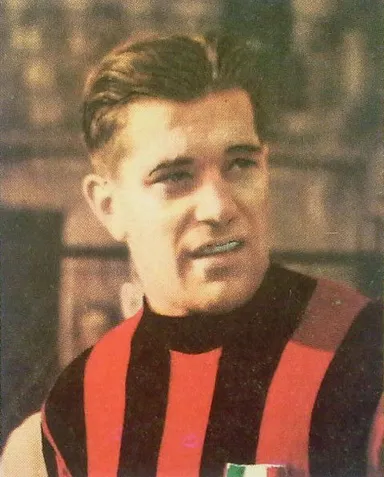 Photo: Unidentified photographer / Wikimedia Commons. Source and license in Image credits.
Forward
Milan’s record scorer with 221 competitive goals.
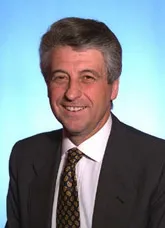 Photo: Italian House of Representatives. Source and license in Image credits.
Midfielder
The creative reference linking Milan’s first two European Cups.
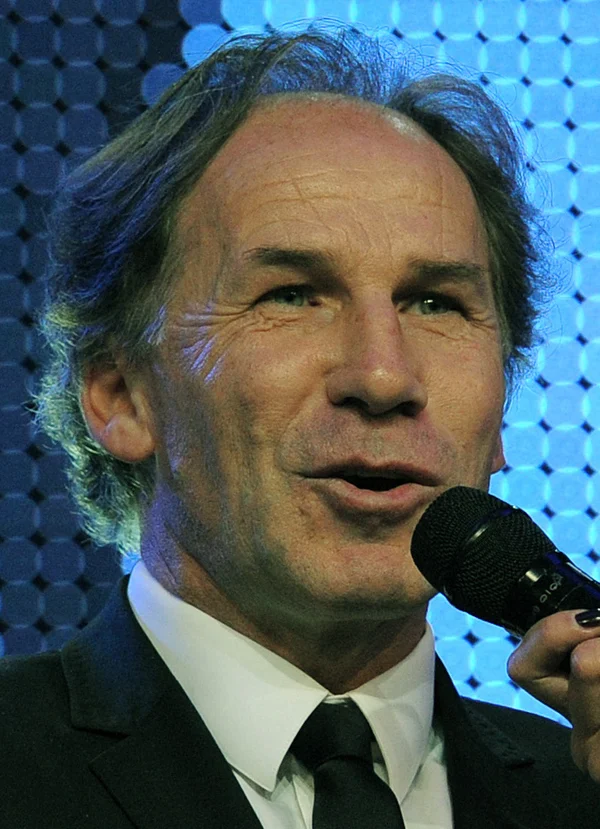 Photo: Kurt Schorrer / Sportnacht Davos. Source and license in Image credits.
Defender
An academy defender and captain who organised a generation’s defensive line.
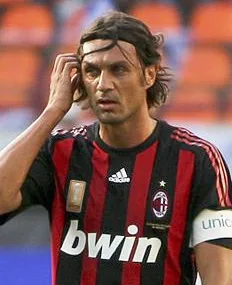
Defender
Five European Cups and 902 matches made him a link across Milan’s great teams.
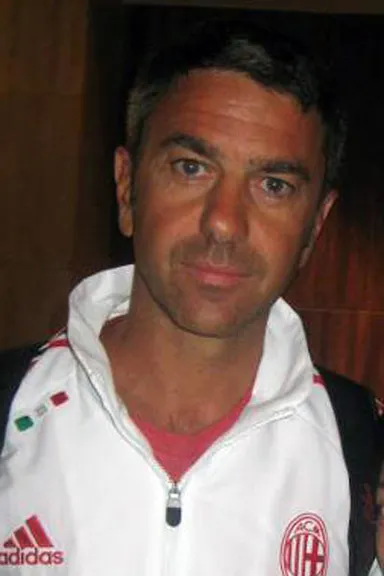 Photo: F1fans. Source and license in Image credits.
Defender
A home-developed defender who sustained the Baresi–Maldini tradition.
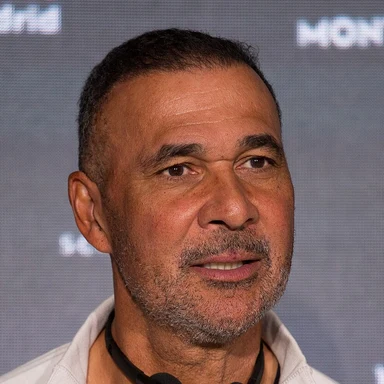 Photo: Barcex. Source and license in Image credits.
Midfielder
Scored twice in the 1989 final with power, movement and technical range.
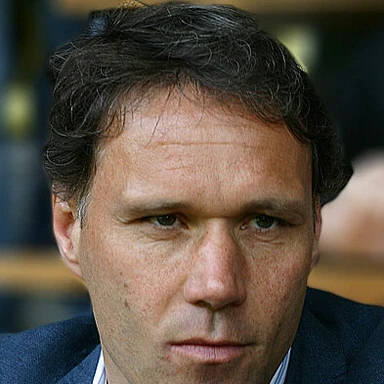 Photo: Paul Blank. Source and license in Image credits.
Forward
A technically complete striker and two-goal scorer in the 1989 final.
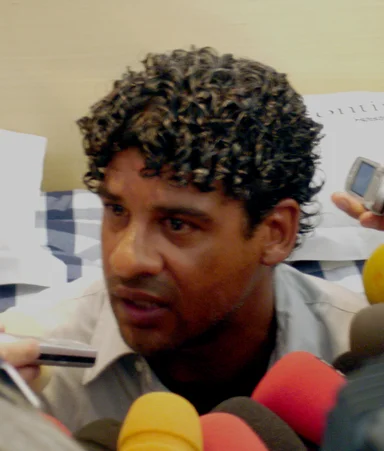 Photo: Mutari. Source and license in Image credits.
Midfielder
Completed the Dutch trio and scored the winner in the 1990 European final.
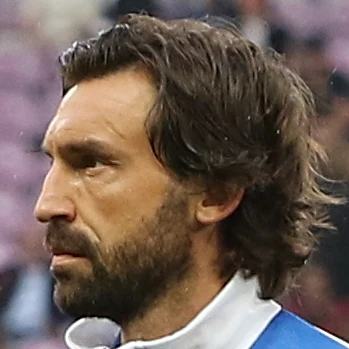 Photo: Clément Bucco-Lechat. Source and license in Image credits.
Midfielder
Directed play from deep in the 2003 and 2007 European champions.
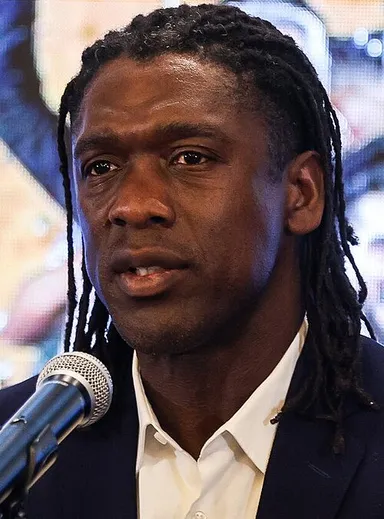 Photo: فاطمه عموزاد. Source and license in Image credits.
Midfielder
Combined physical security and invention alongside Pirlo and Kaká.
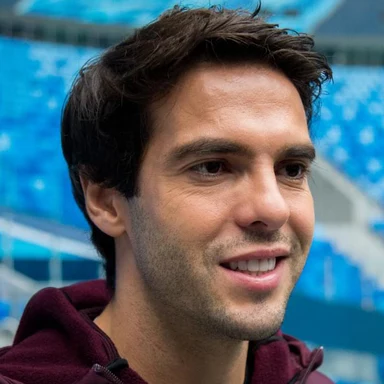 Photo: Евгений Асмолов. Source and license in Image credits.
Midfielder
His carrying and scoring drove the 2007 European campaign.
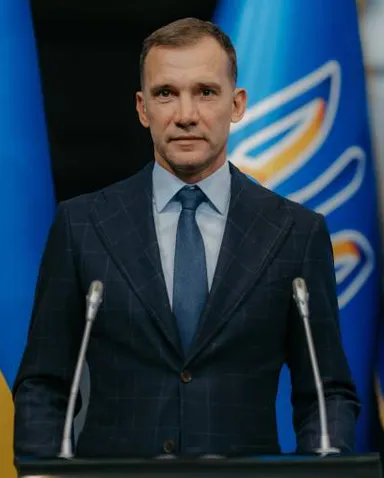 Photo: Міністерство молоді та спорту України. Source and license in Image credits.
Forward
A prolific forward whose penalty secured the 2003 European Cup.
Photo: Unidentified photographer / Wikimedia Commons. Source and license in Image credits.Milan’s record scorer with 221 competitive goals.
Photo: Italian House of Representatives. Source and license in Image credits.The creative reference linking Milan’s first two European Cups.
Photo: Kurt Schorrer / Sportnacht Davos. Source and license in Image credits.An academy defender and captain who organised a generation’s defensive line.
Five European Cups and 902 matches made him a link across Milan’s great teams.
Photo: F1fans. Source and license in Image credits.A home-developed defender who sustained the Baresi–Maldini tradition.
Photo: Barcex. Source and license in Image credits.Scored twice in the 1989 final with power, movement and technical range.
Photo: Paul Blank. Source and license in Image credits.A technically complete striker and two-goal scorer in the 1989 final.
Photo: Mutari. Source and license in Image credits.Completed the Dutch trio and scored the winner in the 1990 European final.
Photo: Clément Bucco-Lechat. Source and license in Image credits.Directed play from deep in the 2003 and 2007 European champions.
Photo: فاطمه عموزاد. Source and license in Image credits.Combined physical security and invention alongside Pirlo and Kaká.
Photo: Евгений Асмолов. Source and license in Image credits.His carrying and scoring drove the 2007 European campaign.
Photo: Міністерство молоді та спорту України. Source and license in Image credits.A prolific forward whose penalty secured the 2003 European Cup.

Ronaldo linked explosive carrying with elite finishing. His Barcelona and Inter peak, 2002 World Cup return and more economical Madrid years reveal different versions of the same central threat.
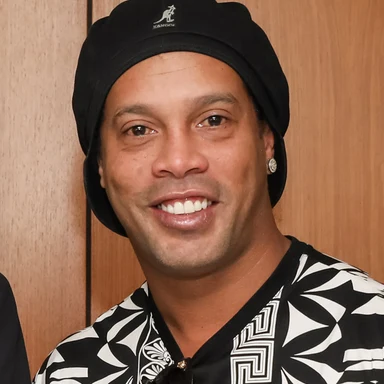 Photo: Marcos Corrêa/PR. Source and license in Image credits.
His Barcelona peak turned individual improvisation into a reliable source of chances. The later Libertadores win at Atlético Mineiro added a South American club chapter to an already international career.
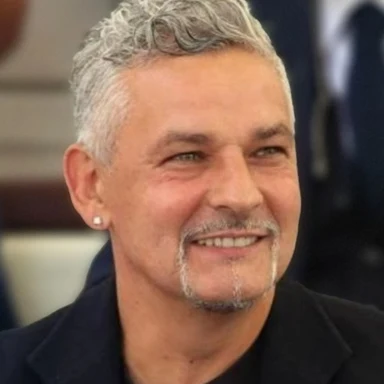 Photo: AbolfaZl0990. Source and license in Image credits.
Baggio’s career captures the tension between a free number ten and increasingly structured systems. His 1994 World Cup is remembered for both the goals that carried Italy to the final and the last penalty.
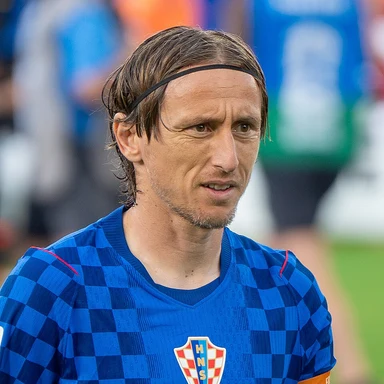 Photo: Bryan Berlin / WikiPortraits. Source and license in Image credits.
Modrić connects invention with midfield responsibility: the Madrid partnerships, Croatia’s tournament runs and his later adaptations reveal how technique can keep a team’s next action available.
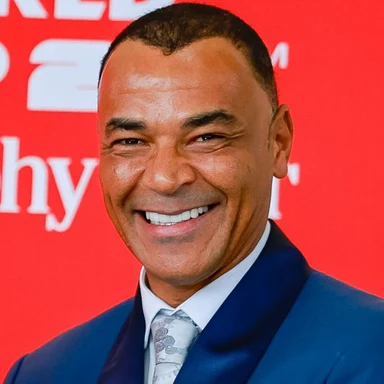 Photo: Lula Oficial. Source and license in Image credits.
Cafu made attacking width a sustained team resource, adapting between wing-back and full-back while winning world titles in 1994 and 2002.
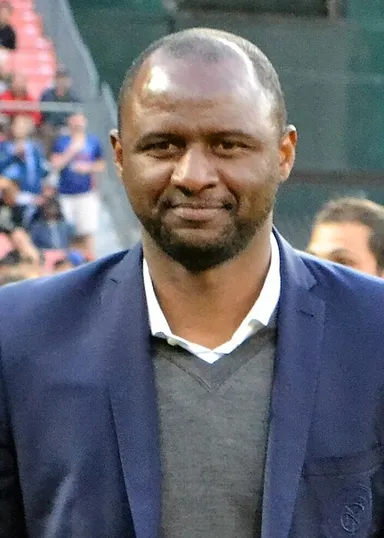 Photo: Simon Heseltine. Source and license in Image credits.
A midfielder whose authority came from linking the challenge to the next useful action for the team.
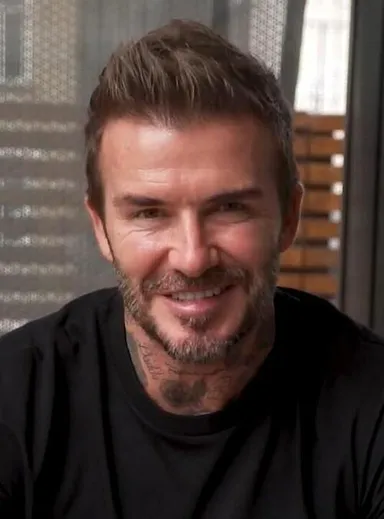 Photo: Soccer Aid for Unicef. Source and license in Image credits.
He could see the run early and make a distant passing angle useful to the teammate receiving the ball.
Coaching legacy
Club tenure only. Honours include senior first-team league, cup, super cup, continental and world titles where verified. European titles count European Cup / Champions League wins.
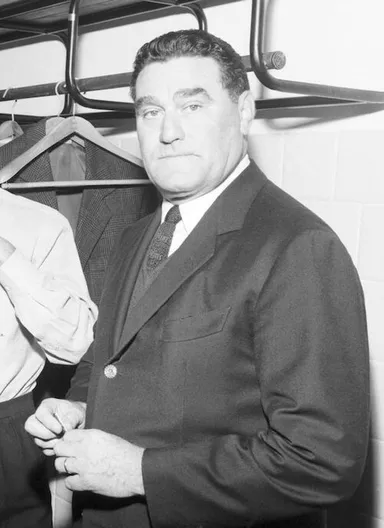 Photo: Original: Farabola Archives / ANSA / Derivative work: Danyele. Source and license in Image credits.
1961–1963 · 1967–1972
Rivera’s invention operated inside an organised team that won in Europe in 1963 and 1969.
Selected championship-winning head-coach spells; later technical roles are excluded.

1987–1991 · 1996–1997
Made coordinated movement and pressing the framework for consecutive European Cups.
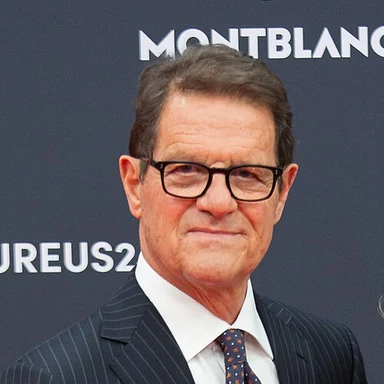 Photo: Barcex (Wikimedia Commons); crop by EndzoneEnthusiast. Source and license in Image credits.
1991–1996 · 1997–1998
Won four league titles and the 1994 European final, extending a great defence into a new cycle.

2001–2009
Organised Pirlo, Seedorf, Gattuso and Kaká into European-winning teams in 2003 and 2007.
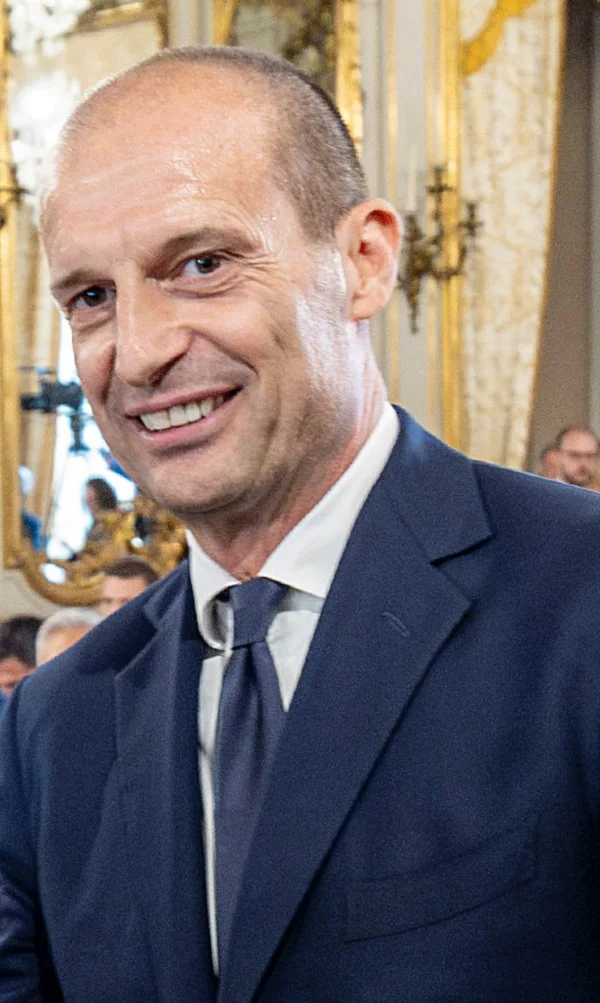 Photo: Quirinale / Presidenza della Repubblica Italiana. Source and license in Image credits.
2010–2014
His first Milan spell delivered the 2010–11 league title and the 2011 Italian Super Cup.
First spell only; the separate 2025–26 appointment is not included in these totals.
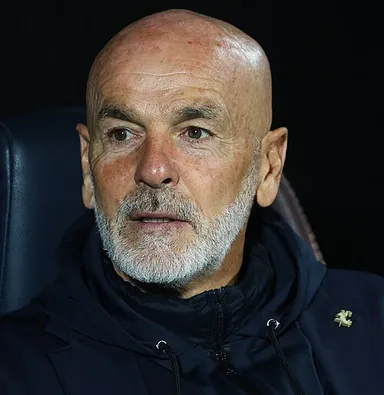 Photo: Foad Ashtari. Source and license in Image credits.
2019–2024
A younger side restored Milan to the top of Serie A in 2022 after eleven years.
Club identity
Milan has repeatedly paired creative midfielders with an organised defence. Sacchi’s collective pressing and Ancelotti’s use of Pirlo are different expressions of that balance.
The red-and-black identity outlasts successive owners. The current RedBird structure sits within a history shaped by presidents including Rizzoli and Berlusconi.
The Swedish Gre-No-Li generation and the Dutch trio of Gullit, Van Basten and Rijkaard show the club’s long exchange with football beyond Italy.
Maldini, Baresi and Costacurta made home-developed defenders central to successive European champions. Youth education supports a pathway, not a guarantee of first-team selection.
San Siro is shared with Inter, but colours, songs and the memory of European nights make the stadium a distinct home for Milan supporters.
From Wembley in 1963 to Athens in 2007, European finals provide the club’s strongest reference points. Remembering Istanbul alongside them gives the archive both triumph and loss.
Identity
Stadium
Current home / Milan
Shared with Inter and transformed by towers and spiralling ramps, San Siro is both civic monument and football theatre.
Rivalries
Two Milanese identities sharing one monumental stadium, divided by colour and connected by the city’s football history.
The shared ground hosted the 2024 derby in which Inter secured their twentieth league title, turning city rivalry into a championship milestone.
Development
The Vismara training centre supports age-group football with educational, medical and physical-development work. The route to senior football combines learning with competitive matches.
Historical role
Maldini and Baresi became long-serving captains, while Costacurta helped sustain the same defensive tradition. Their influence makes youth development part of Milan’s institutional memory.
Famous graduates
Collection
Kits
Home kit / 1988–89
Home kit / 2002–03
Commercial
TECHNICAL SUPPLIER
MAIN SHIRT
Kit studies are abstract colour and pattern references, not reproductions of official shirts.
Records
The league sequence began under Sacchi and continued under Capello.
As of 2026-09-14Shared by three coaches across different generations.
As of 2026-09-14