6
European Cups
First · 1976–77
Latest · 2018–19View winning seasons
1976–77 · 1977–78 · 1980–81 · 1983–84 · 2004–05 · 2018–19
Liverpool Football Club
Anfield’s history runs from Shankly’s reconstruction through the Boot Room succession to modern European revivals. Collective organisation has taken different forms across those teams.
Overview
Historical assessment
Overall Historical Index
95/100Football Legends DB editorial assessment
Football Legends DB editorial / historical index. This is not an official FIFA or UEFA ranking, a live form table or a player rating.
Version 1.0: editors assess eight dimensions from 0–100 using the cited historical record. The overall score is their equally weighted arithmetic mean, rounded to the nearest whole number. Trophy totals are evidence, not points automatically added to a formula.
Assessment guide: 0–39 limited documented impact; 40–59 established national contribution; 60–79 sustained national or continental influence; 80–94 major international influence; 95–100 a historical benchmark across generations. These are editorial judgements, not measured percentiles. Missing evidence means no published index.
World titles and sustained success across eras inform the historical and international assessments. Scores may be revised when the evidence or editorial assessment changes.
Assessment notes · Six European Cups, twenty league championships and a succession of influential coaches support the assessment. The academy has supplied important leaders; domestic success includes a thirty-year title gap. Scores are editorial judgments drawn from the cited history.
Current chapter
Season
2026–27Verified
Appointed in June 2026 after three seasons at Bournemouth, Iraola succeeds Arne Slot. Slot’s 2024–25 championship belongs to the historical ledger; the new coach’s work begins a separate chapter.
Honours
First · 1976–77
Latest · 2018–19First · 1900–01
Latest · 2024–25First · 1964–65
Latest · 2021–22First · 1980–81
Latest · 2023–24First · 1964
Latest · 2022First · 1972–73
Latest · 2000–01First · 1977
Latest · 2019First · 2019
Latest · 2019History
Founded in 1892 after Everton’s departure; the company was formally constituted on 3 June.
Promotion in 1962 began a transformation completed by domestic trophies and the 1973 UEFA Cup.
Tactical identity · Pass, move and support the player in possession.
Explore the defining match ↗Paisley and Fagan won four European Cups between them, combining continuity with carefully chosen changes.
Tactical identity · Patient circulation, midfield control and well-timed forward movement.
Explore the defining match ↗Thirty-nine supporters died at Heysel before the European Cup final. The tragedy remains part of the club’s remembrance.
The 1986 double and a later attack featuring Barnes extended domestic success.
Tactical identity · Fluid support around the forwards with invention from wide positions.
Ninety-seven supporters lost their lives as a result of the disaster on 15 April 1989. The club remembers the victims, their families and survivors.
Houllier’s 2001 team won the League Cup, FA Cup and UEFA Cup.
Tactical identity · Compact defensive spacing and fast attacks into open ground.
Istanbul in 2005 was followed by another European final in 2007.
Tactical identity · Organised midfield coverage, pressing triggers and adjustments to opponents.
Explore the defining match ↗A sixth European Cup preceded the 99-point league championship and further domestic cups.
Tactical identity · Counter-pressing, attacking full-backs and coordinated runs around the front three.
Explore the defining match ↗Arne Slot’s first season brought the 2024–25 Premier League title.
Defining games
FA Cup · Final
Liverpool 2–1 Leeds United
After extra time
Wembley Stadium, London
Hunt and St John scored in extra time, ending Liverpool’s long wait for the cup.
European Cup · Final
Liverpool 3–1 Borussia Mönchengladbach
Stadio Olimpico, Rome
McDermott, Smith and Neal scored as Paisley’s team became European champions for the first time.
Champions League · Final
Liverpool 3–3 AC Milan
After extra time · Won 3–2 on penalties
Atatürk Olympic Stadium, Istanbul
Gerrard, Šmicer and Alonso erased a three-goal deficit before Dudek’s saves helped settle the shoot-out.
Champions League · Semi-final, second leg
Origi and Wijnaldum scored twice each; a quickly taken corner supplied the decisive fourth goal.
Champions League · Final
Salah’s early penalty and Origi’s late finish secured the trophy after the disappointment of the 2018 final.
Legends
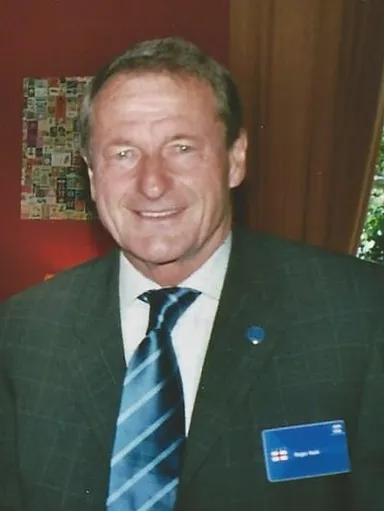 Photo: Christophe95. Source and license in Image credits.
Forward
His goals helped turn a second-tier side into league and FA Cup winners.
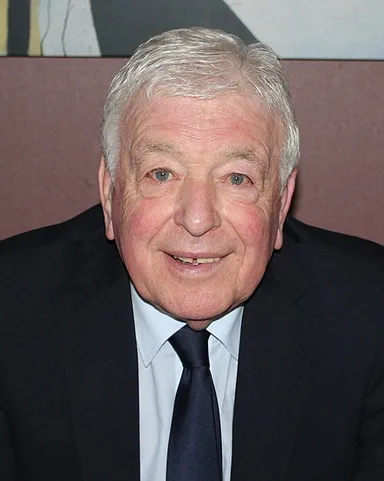 Photo: Rebecca Boardman. Source and license in Image credits.
Midfielder
From the Second Division to European champion, with a club-record 857 appearances.
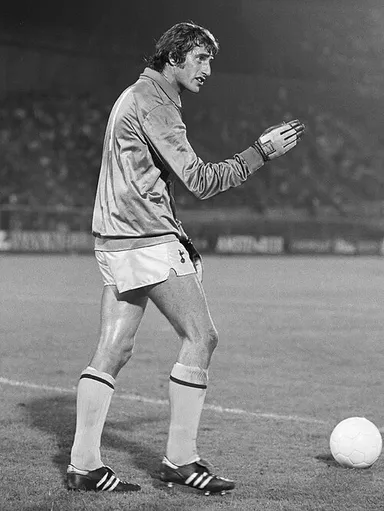 Photo: Marcel Antonisse / Anefo. Source and license in Image credits.
Goalkeeper
A reliable goalkeeper behind Liverpool’s first three European Cup victories.
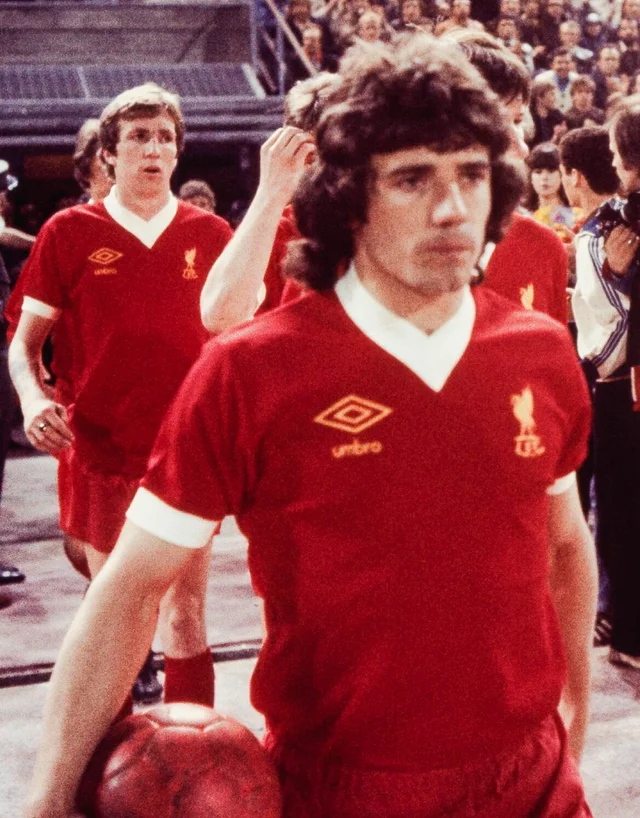 Photo: ETH-Bibliothek Zürich, Bildarchiv / Comet Photo AG (Zürich) / Com_LC1432-000-012. Source and license in Image credits.
Forward
His movement and energy helped carry the club to its first European Cup.
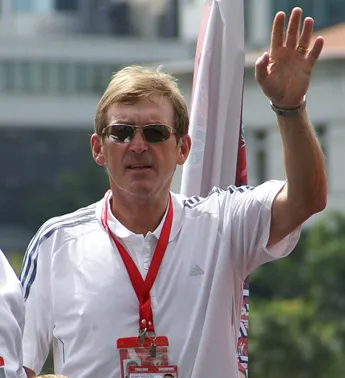 Photo: Saw from Singapore. Source and license in Image credits.
Forward
A creator and scorer whose partnership with Rush became central to Liverpool’s attack.
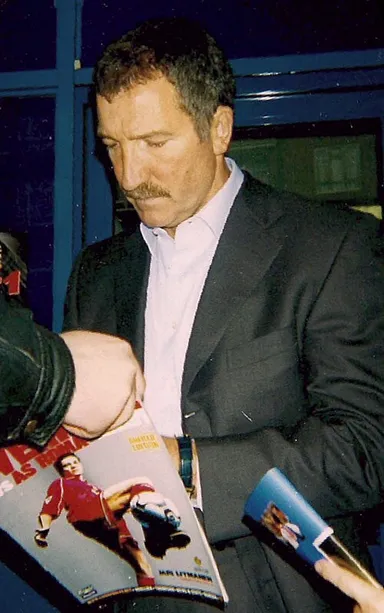 Photo: RoverTheBendInSussex
Derivative work MagentaGreen. Source and license in Image credits.
Midfielder
Passing authority and competitive force at the centre of the European dynasty.
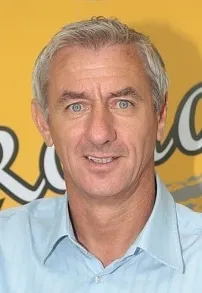 Photo: AceKindred. Source and license in Image credits.
Forward
A relentless penalty-area scorer whose 346 goals remain the club record.
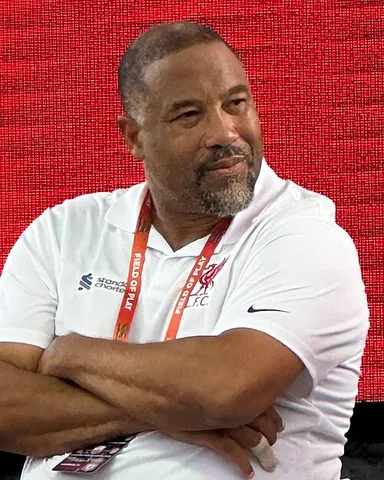 Photo: Pangalau. Source and license in Image credits.
Winger
Dribbling, balance and invention gave Dalglish’s later teams a new attacking shape.
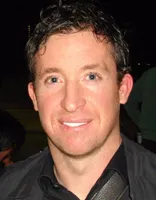 Photo: Jonesy702. Source and license in Image credits.
Forward
A local academy striker remembered for instinctive finishing with either foot.

Midfielder
The academy captain whose goals and drive shaped Istanbul and the 2006 FA Cup final.
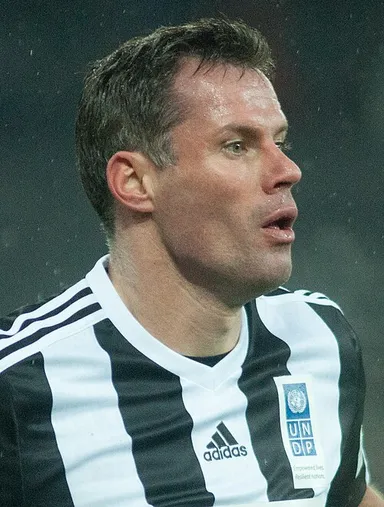 Photo: Ludovic Péron. Source and license in Image credits.
Defender
A one-club defender whose reading of danger anchored the 2005 European champions.
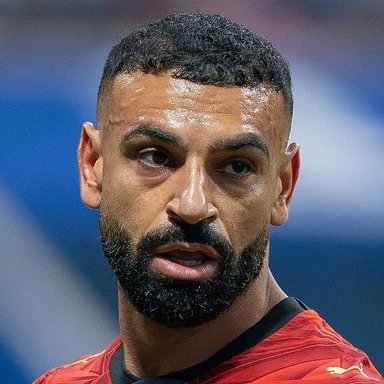 Photo: Bryan Berlin / WikiPortraits. Source and license in Image credits.
Forward
Goals from the right transformed the attack that won in Europe and ended the league-title wait.
Photo: Christophe95. Source and license in Image credits.His goals helped turn a second-tier side into league and FA Cup winners.
Photo: Rebecca Boardman. Source and license in Image credits.From the Second Division to European champion, with a club-record 857 appearances.
Photo: Marcel Antonisse / Anefo. Source and license in Image credits.A reliable goalkeeper behind Liverpool’s first three European Cup victories.
Photo: ETH-Bibliothek Zürich, Bildarchiv / Comet Photo AG (Zürich) / Com_LC1432-000-012. Source and license in Image credits.His movement and energy helped carry the club to its first European Cup.
Photo: Saw from Singapore. Source and license in Image credits.A creator and scorer whose partnership with Rush became central to Liverpool’s attack.
Photo: RoverTheBendInSussex
Derivative work MagentaGreen. Source and license in Image credits.Passing authority and competitive force at the centre of the European dynasty.
Photo: AceKindred. Source and license in Image credits.A relentless penalty-area scorer whose 346 goals remain the club record.
Photo: Pangalau. Source and license in Image credits.Dribbling, balance and invention gave Dalglish’s later teams a new attacking shape.
Photo: Jonesy702. Source and license in Image credits.A local academy striker remembered for instinctive finishing with either foot.
The academy captain whose goals and drive shaped Istanbul and the 2006 FA Cup final.
Photo: Ludovic Péron. Source and license in Image credits.A one-club defender whose reading of danger anchored the 2005 European champions.
Photo: Bryan Berlin / WikiPortraits. Source and license in Image credits.Goals from the right transformed the attack that won in Europe and ended the league-title wait.
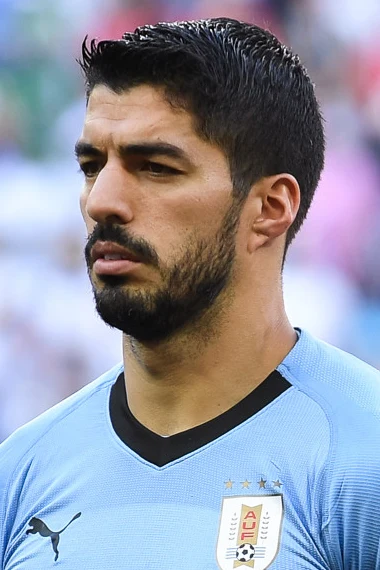 Photo: Какая то женщина / soccer.ru. Source and license in Image credits.
Uruguay’s record scorer, a Copa América champion and a central partner in Barcelona’s Messi–Suárez–Neymar attack.
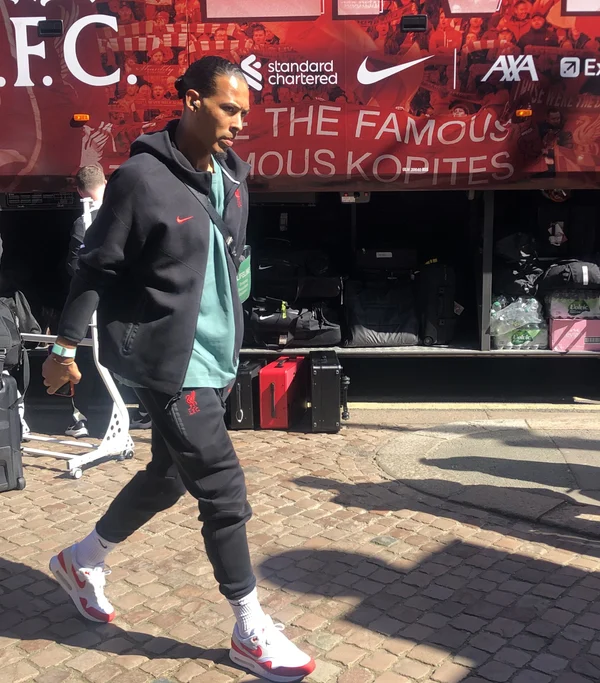 Photo: Timmy96. Source and license in Image credits.
Liverpool’s captain and the 2018/19 UEFA Men’s Player of the Year: a reference for defending a high line without losing composure.
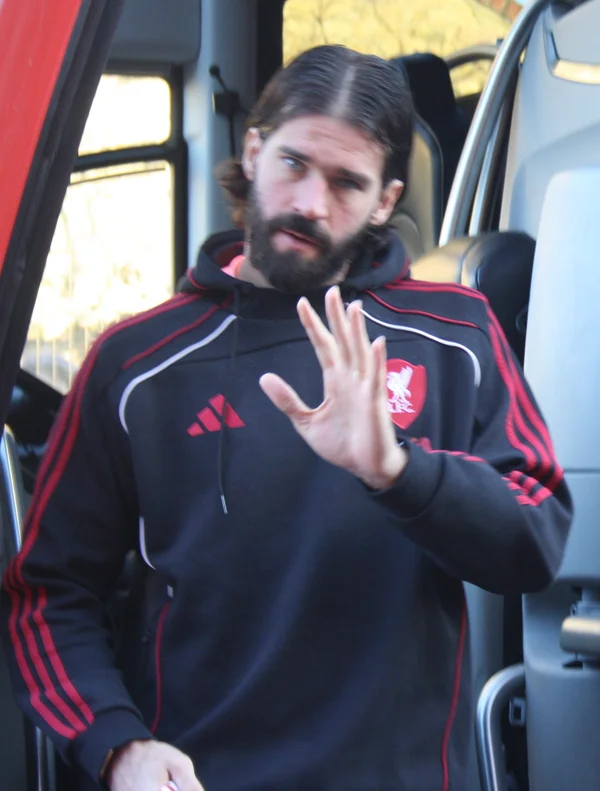 Photo: Timmy96. Source and license in Image credits.
The 2019 Champions League title, two Premier League Golden Gloves and the 2019 Copa América place Alisson among his generation’s defining goalkeepers. His Liverpool appearance milestone is dated August 2025; it is kept apart from completed Roma records and individual league seasons.
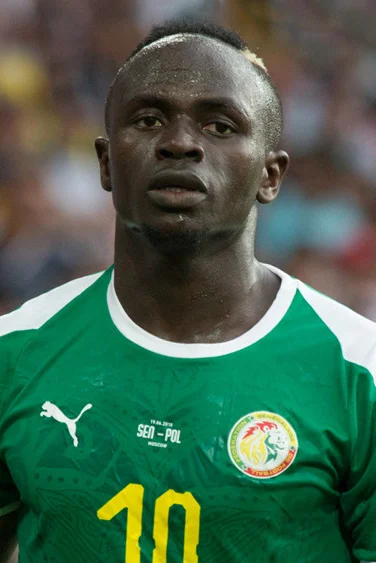 Photo: Екатерина Лаут / soccer.ru. Source and license in Image credits.
Mané helped turn Liverpool’s front three into a system rather than a collection of scorers. His diagonal runs created depth, while his willingness to press allowed the team to defend from the front.
Coaching legacy
Club tenure only. Honours include senior first-team league, cup, super cup, continental and world titles where verified. European titles count European Cup / Champions League wins.
1959–1974
Promotion, three league titles and a first UEFA Cup laid the foundations for Liverpool’s European future.
1974–1983
Refined the passing game and renewed personnel while winning six league championships and three European Cups.
1983–1985
His first season brought the league, League Cup and European Cup, extending the Boot Room succession.
Photo: Saw from Singapore. Source and license in Image credits.1985–1991 · 2011–2012
Won the 1986 league and FA Cup double as player-manager; his second spell added the 2012 League Cup.
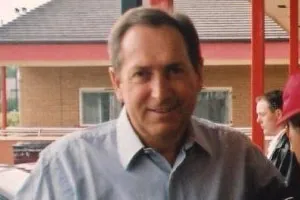 Photo: Stew jones. Source and license in Image credits.
1998–2004
The 2001 FA Cup, League Cup and UEFA Cup restored a winning habit through a compact, disciplined side.
Includes the initial joint-management period with Roy Evans; European Cup count excludes the UEFA Cup.
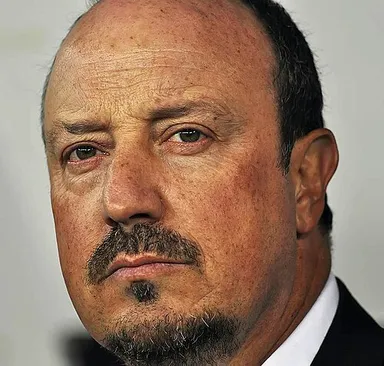 Photo: Дмитрий Журавель. Source and license in Image credits.
2004–2010
Tactical adjustments and an extraordinary comeback brought the 2005 European Cup; the FA Cup followed in 2006.
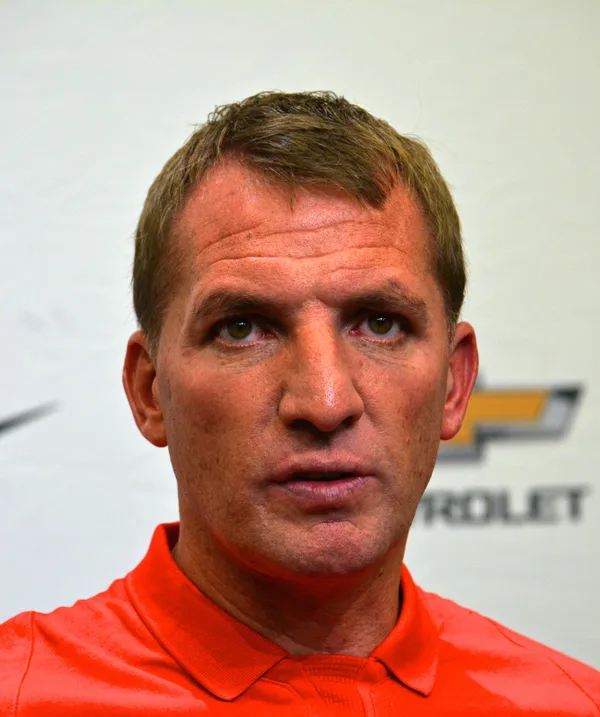 Photo: Geoffrey Hammersley. Source and license in Image credits.
2012–2015
Led Liverpool to second place with 101 league goals in 2013/14; his 2012–2015 spell brought no league or European Cup title.
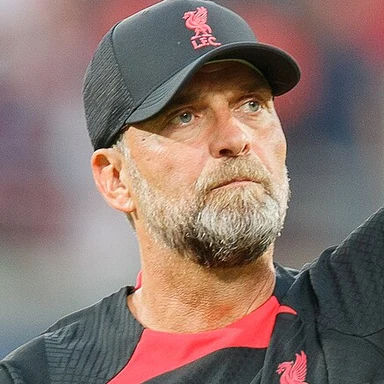 Photo: Steffen Prößdorf; crop by EndzoneEnthusiast. Source and license in Image credits.
2015–2024
Collective pressure evolved into controlled dominance, delivering European glory in 2019 and the long-awaited league title in 2020.
Club identity
Shankly’s passing and support play, the Boot Room’s control and Klopp’s pressing belong to different systems with a shared demand for coordinated work.
Coaching succession gave the Boot Room its influence. Decisions and knowledge passed between colleagues before reaching a new generation.
Dalglish and Rush formed a complementary partnership; Salah brought a different goal threat decades later. Recruitment has repeatedly changed the attack without erasing its collective purpose.
Callaghan, Gerrard and Carragher show how locally developed players can connect generations. Kirkby now places academy and senior football on the same site.
Anfield’s European nights connect the team with its supporters. The 2019 Barcelona comeback is one recent expression of that shared memory.
The route from Rome in 1977 to Madrid in 2019 contains both long winning sequences and unexpected recoveries. Istanbul remains its clearest comeback story.
Identity
Stadium
Current home / Liverpool
Anfield opened in 1884 for Everton. Liverpool began playing here in 1892 after Everton moved to Goodison Park; the stadium’s opening date is not the club’s arrival date.
Rivalries
Industrial-city competition and sustained football success give this fixture a significance beyond proximity.
Development
Kirkby brings the academy and first team together. Coaching and development are supported by a shared setting, with opportunities earned through progress across age groups.
Historical role
Callaghan linked promotion to European success; Gerrard and Carragher became leaders of a later European-winning generation. The 2020 training-ground move continues a much older youth tradition.
Famous graduates
Collection
Kits
Home kit / 1976–77
Home kit / 2004–05
Home kit / 2018–19
Commercial
MAIN SHIRT
MAIN SHIRT
Kit studies are abstract colour and pattern references, not reproductions of official shirts.
Records