2
First Division
First · 1950–51
Latest · 1960–61View winning seasons
1950–51 · 1960–61
Tottenham Hotspur Football Club
North London’s lilywhite club connects early cup pioneers, the push-and-run champions and Nicholson’s double to European nights and a new stadium.
Overview
Historical assessment
Overall Historical Index
86/100Football Legends DB editorial assessment
Football Legends DB editorial / historical index. This is not an official FIFA or UEFA ranking, a live form table or a player rating.
Version 1.0: editors assess eight dimensions from 0–100 using the cited historical record. The overall score is their equally weighted arithmetic mean, rounded to the nearest whole number. Trophy totals are evidence, not points automatically added to a formula.
Assessment guide: 0–39 limited documented impact; 40–59 established national contribution; 60–79 sustained national or continental influence; 80–94 major international influence; 95–100 a historical benchmark across generations. These are editorial judgements, not measured percentiles. Missing evidence means no published index.
World titles and sustained success across eras inform the historical and international assessments. Scores may be revised when the evidence or editorial assessment changes.
Assessment notes · An editorial assessment balancing two top-flight championships, cup and European traditions, influential attacking teams and local development.
Current chapter
Season
2026–27Verified
De Zerbi was appointed in March 2026. This current team is shown separately from Postecoglou’s 2025 European winners and Son’s completed Spurs career.
Honours
First · 1950–51
Latest · 1960–61First · 1900–01
Latest · 1990–91First · 1970–71
Latest · 2007–08First · 1921
Latest · 1991First · 1962–63
Latest · 1962–63First · 1971–72
Latest · 2024–25First · 1971–72
Latest · 1971–72History
The 1882 foundation, 1899 move to White Hart Lane and 1901 FA Cup established the club. A second FA Cup followed under Peter McWilliam in 1921.
Tactical identity · Scottish combination play and a growing club
Explore the defining match ↗The 1950 Second Division title preceded the 1951 top-flight championship. Fast exchanges and movement made a simple idea transformative.
Tactical identity · Quick passing followed by immediate movement
Blanchflower captained the 1961 double winners. Greaves arrived later; the 1963 Cup Winners’ Cup and 1972 UEFA Cup extended Nicholson’s legacy.
Tactical identity · Creative passing with a powerful midfield base
Explore the defining match ↗Relegation in 1977 was followed by promotion. Hoddle, Ardiles and Perryman helped build the teams that won the 1981 and 1982 FA Cups and the 1984 UEFA Cup.
Tactical identity · Technical midfield combinations and attacking width
Explore the defining match ↗Venables won the 1991 FA Cup with Gascoigne and Lineker. Graham’s 1999 League Cup added another trophy during an uneven league decade.
Tactical identity · Creative individuals within changing team structures
Jol restored European qualification; Ramos won the 2008 League Cup. Redknapp’s team reached the Champions League quarter-finals with Bale and Modrić.
Tactical identity · Wide acceleration and midfield invention
Kane and Son led the attack through title challenges and the move away from the Lane. Lucas’s Amsterdam hat-trick secured a first Champions League final, later lost to Liverpool.
Tactical identity · Collective pressing and rapid forward combinations
Bale returned on loan; Kane later left for Bayern. Postecoglou’s side ended the trophy drought in Bilbao, with Son lifting the cup before his own departure.
Tactical identity · An attacking rebuild and a disciplined European final
Explore the defining match ↗Defining games
FA Cup final · replay
Tottenham Hotspur 3–1 Sheffield United
Replay after a 2–2 draw
Burnden Park, Bolton
Cameron, Brown and Tom Smith scored in the replay as a Southern League club lifted the FA Cup.
FA Cup final
Tottenham Hotspur 2–0 Leicester City
Wembley Stadium, London
Bobby Smith and Terry Dyson scored after the league had already been secured, completing the first English double of the twentieth century.
Cup Winners’ Cup final
Greaves and Dyson scored twice each, with White also on target, as Tottenham defeated the holders.
UEFA Cup final · second leg
Tottenham Hotspur 1–1 Anderlecht
2–2 on aggregate · won 4–3 on penalties
White Hart Lane, London
Roberts equalised before Parks saved the decisive penalty, giving Burkinshaw’s team a second UEFA Cup.
Europa League final
Johnson’s first-half goal and a disciplined defensive performance delivered the club’s third UEFA Cup / Europa League title.
Legends
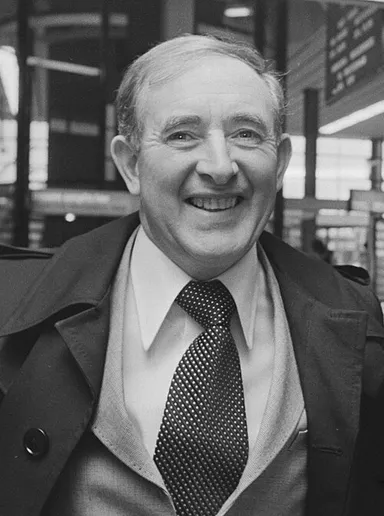 Photo: NL-HaNA, ANEFO / neg. stroken, 1945-1989. Source and license in Image credits.
Midfielder
The double-winning captain combined passing intelligence, leadership and a belief in expressive football.
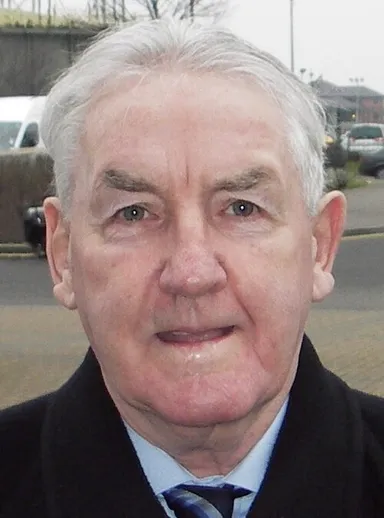 Photo: en:user:TuborgLight. Source and license in Image credits.
Midfielder
An assertive but technically accomplished midfielder who gave Nicholson’s attack a strong platform.
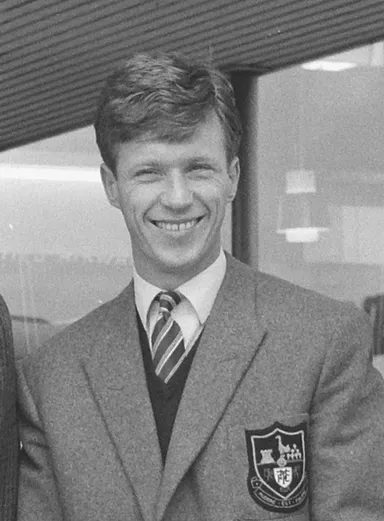 Photo: Henk Lindeboom / Anefo. Source and license in Image credits.
Midfielder
Elusive movement and creative passing made him an essential connector in the double-winning side.
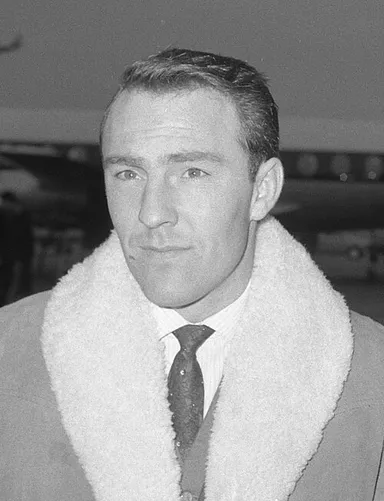 Photo: Jack de Nijs for Anefo / Anefo. Source and license in Image credits.
Forward
A precise, instinctive finisher who arrived after the double and helped win the 1963 European trophy.
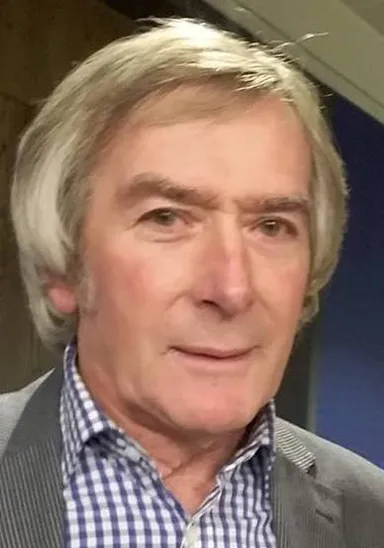 Photo: VEO15. Source and license in Image credits.
Goalkeeper
A commanding goalkeeper across domestic cup victories and the first UEFA Cup campaign.
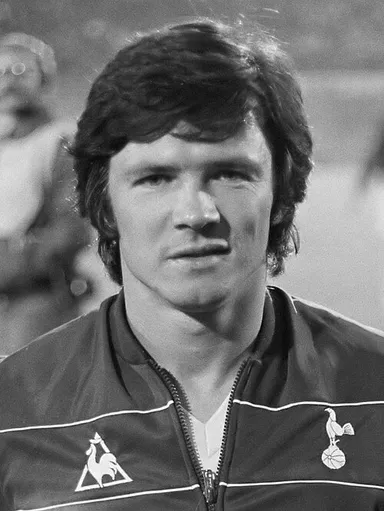 Photo: Marcel Antonisse / Anefo. Source and license in Image credits.
Defender
The record appearance-maker grew from midfield into defence and captained a generation of cup winners.
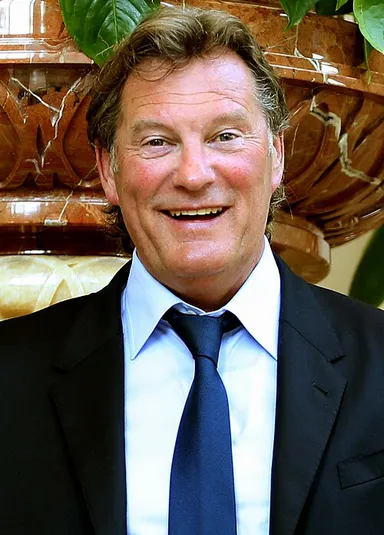 Photo: Doha Stadium Plus Qatar. Source and license in Image credits.
Midfielder
An academy playmaker whose vision and two-footed technique became a defining White Hart Lane attraction.
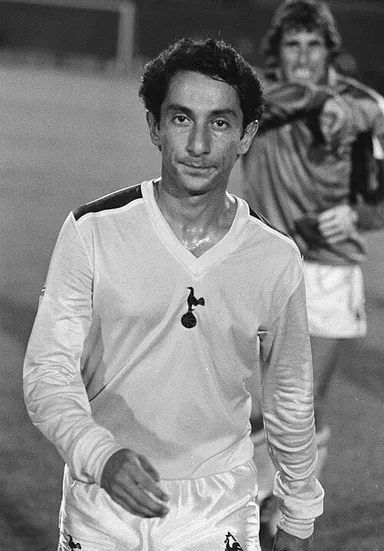 Photo: Marcel Antonisse / Anefo. Source and license in Image credits.
Midfielder
His sharp turns and combinations brought an Argentine influence to the early-1980s cup teams.
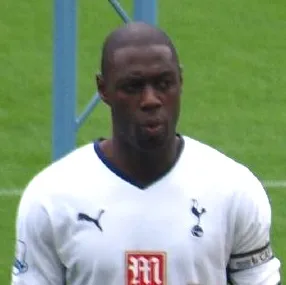 Photo: John Dobson. Source and license in Image credits.
Defender
A locally developed defender known for anticipation, recovery pace and calm play under pressure.
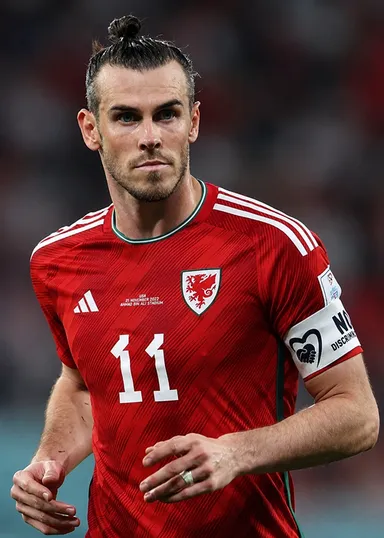 Photo: حسین ظهروند. Source and license in Image credits.
Forward
From attacking full-back to explosive forward, his development helped restore a major European presence.
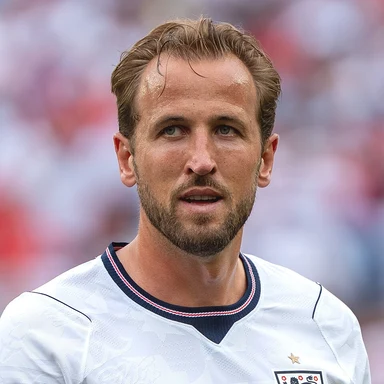 Photo: Bryan Berlin / WikiPortraits. Source and license in Image credits.
Forward
The academy striker became the club’s leading scorer by combining finishing with increasingly creative passing.

Forward
A direct, two-footed attacker who scored the new stadium’s first senior goal and captained the 2025 European winners.
Photo: NL-HaNA, ANEFO / neg. stroken, 1945-1989. Source and license in Image credits.The double-winning captain combined passing intelligence, leadership and a belief in expressive football.
Photo: en:user:TuborgLight. Source and license in Image credits.An assertive but technically accomplished midfielder who gave Nicholson’s attack a strong platform.
Photo: Henk Lindeboom / Anefo. Source and license in Image credits.Elusive movement and creative passing made him an essential connector in the double-winning side.
Photo: Jack de Nijs for Anefo / Anefo. Source and license in Image credits.A precise, instinctive finisher who arrived after the double and helped win the 1963 European trophy.
Photo: VEO15. Source and license in Image credits.A commanding goalkeeper across domestic cup victories and the first UEFA Cup campaign.
Photo: Marcel Antonisse / Anefo. Source and license in Image credits.The record appearance-maker grew from midfield into defence and captained a generation of cup winners.
Photo: Doha Stadium Plus Qatar. Source and license in Image credits.An academy playmaker whose vision and two-footed technique became a defining White Hart Lane attraction.
Photo: Marcel Antonisse / Anefo. Source and license in Image credits.His sharp turns and combinations brought an Argentine influence to the early-1980s cup teams.
Photo: John Dobson. Source and license in Image credits.A locally developed defender known for anticipation, recovery pace and calm play under pressure.
Photo: حسین ظهروند. Source and license in Image credits.From attacking full-back to explosive forward, his development helped restore a major European presence.
Photo: Bryan Berlin / WikiPortraits. Source and license in Image credits.The academy striker became the club’s leading scorer by combining finishing with increasingly creative passing.
A direct, two-footed attacker who scored the new stadium’s first senior goal and captained the 2025 European winners.
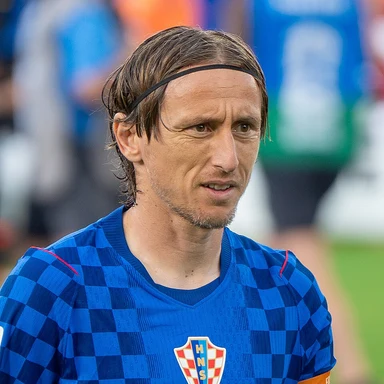 Photo: Bryan Berlin / WikiPortraits. Source and license in Image credits.
Modrić connects invention with midfield responsibility: the Madrid partnerships, Croatia’s tournament runs and his later adaptations reveal how technique can keep a team’s next action available.
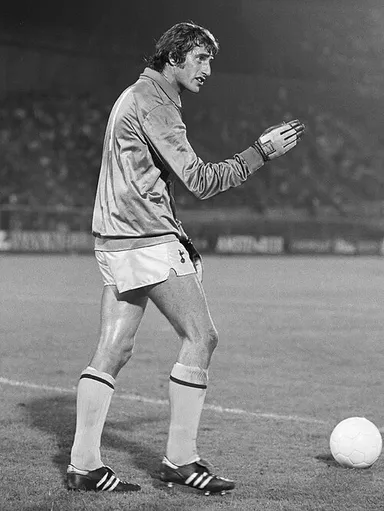 Photo: Marcel Antonisse / Anefo. Source and license in Image credits.
Clemence’s importance lay in sustained reliability as much as spectacular saves. His Liverpool record of 665 competitive appearances includes 323 clean sheets; those shutouts also reflect the work of the defenders and midfielders in front of him. His later coaching service with Tottenham and England extended his influence, but is separate from the playing honours recorded here.
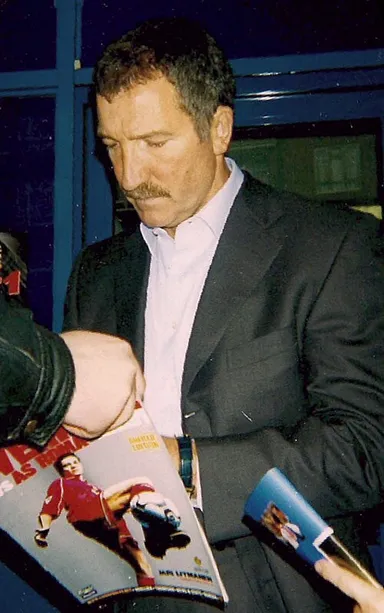 Photo: RoverTheBendInSussex
Derivative work MagentaGreen. Source and license in Image credits.
Souness belongs to Liverpool’s history as a midfield organiser as well as a competitive leader. The pass that decided the 1978 European final, the 1984 League Cup replay winner and his captaincy in Rome show different sides of the same player. His later career as a manager is a separate chapter: the 1992 FA Cup won as Liverpool’s coach is not a playing honour in this dossier.
Coaching legacy
Club tenure only. Honours include senior first-team league, cup, super cup, continental and world titles where verified. European titles count European Cup / Champions League wins.
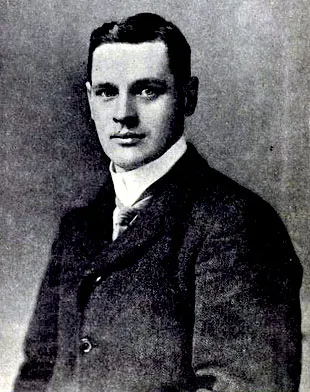 Photo: John Cameron (book), no author listed on photograph.. Source and license in Image credits.
1899–1907
The player-manager won the Southern League and the 1901 FA Cup before Spurs entered the Football League.
Top-flight league titles only; the Southern League is separate
1949–1955
Quick give-and-go passing took the team from the Second Division title straight to the 1951 top-flight championship.
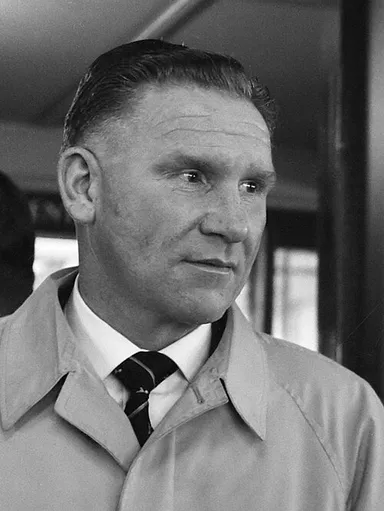 Photo: Henk Lindeboom / Anefo. Source and license in Image credits.
1958–1974
The 1961 double, 1963 Cup Winners’ Cup and 1972 UEFA Cup define a long, influential reign.
Cup Winners’ Cup and UEFA Cup are separate from Champions League titles
1976–1984
Rebuilt after relegation, won consecutive FA Cups and left with the 1984 UEFA Cup.
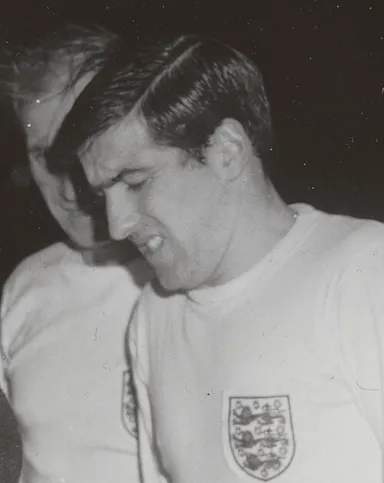 Photo: Joop van Bilsen for Anefo. Source and license in Image credits.
1987–1991
A gifted midfield and Lineker’s finishing powered the 1991 FA Cup winners.

2014–2019
Built a pressing team that challenged domestically and reached the club’s first Champions League final.
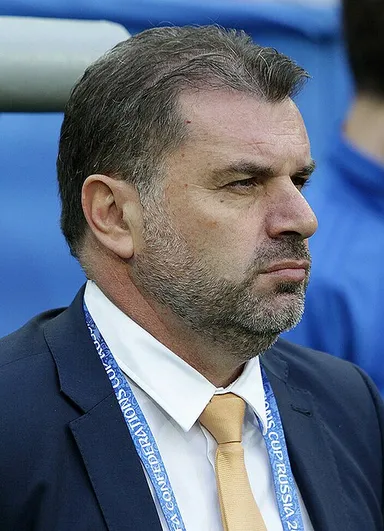 Photo: Кирилл Венедиктов. Source and license in Image credits.
2023–2025
His team won the 2025 Europa League in Bilbao, ending the seventeen-year trophy wait.
Club identity
Quick combinations link Rowe’s push-and-run to Nicholson’s creative midfield. Later teams added pressing, wide acceleration and different European approaches.
A local club founded in 1882 became a national cup pioneer before joining the Football League. White Hart Lane remained its home for generations.
Nicholson’s British core, Ardiles’s Argentine influence and the later arrival of Modrić and Son show different ways of building technical quality.
Local development produced Perryman, Hoddle, King and Kane. Training and education share the modern Hotspur Way campus.
The lilywhite shirt, memories of the Lane and the new South Stand connect supporters across a major change in the club’s home.
The 1963 breakthrough and three UEFA Cup / Europa League wins are distinct from the 2019 Champions League runner-up finish.
Identity
Stadium
Current home / London
The first senior match was the 2–0 win over Crystal Palace on 3 April 2019. Son and Eriksen scored as a new home opened beside the site of the old Lane.
Former home / London
The ground hosted generations of league and cup winners. Wembley served as the temporary home after the 2017 farewell and before the new stadium opened in 2019.
Rivalries
A cross-London rivalry shaped by cup meetings and league contests.
A neighbourhood rivalry sharpened by Arsenal’s move north and more than a century of contested local identity.
The 1913 move made Arsenal Tottenham’s north London neighbour. Arsenal clinched the 1971 league championship at Tottenham before completing the double.
Development
Technical development and education share an environment designed for the first team and academy to work alongside one another.
Historical role
Perryman, Hoddle, King and Kane show a youth tradition that predates the September 2012 move to Hotspur Way. The campus opening is not the foundation date of the academy.
Famous graduates
Collection
Kits
Home kit / 1960–61
Home kit / 1983–84
Home kit / 2024–25
Commercial
TECHNICAL SUPPLIER
MAIN SHIRT
Kit studies are abstract colour and pattern references, not reproductions of official shirts.
Records
The 1920 and 1950 Second Division championships and the 1900 Southern League are recorded separately from the two top-flight titles.
As of 2026-09-15The 1967, 1981 and 1991 editions were shared. Each remains one honour in the club’s register.
As of 2026-09-15