14

League titles
First · 1930–31
Latest · 2025–26View winning seasons
1930–31 · 1932–33 · 1933–34 · 1934–35 · 1937–38 · 1947–48 · 1952–53 · 1970–71 · 1988–89 · 1990–91 · 1997–98 · 2001–02 · 2003–04 · 2025–26
Arsenal Football Club
North London tradition shaped by red and white, Highbury’s intimacy, Wenger’s modernism and a name forever associated with the cannon.
Overview
Historical assessment
Overall Historical Index
93/100Football Legends DB editorial assessment
Football Legends DB editorial / historical index. This is not an official FIFA or UEFA ranking, a live form table or a player rating.
Version 1.0: editors assess eight dimensions from 0–100 using the cited historical record. The overall score is their equally weighted arithmetic mean, rounded to the nearest whole number. Trophy totals are evidence, not points automatically added to a formula.
Assessment guide: 0–39 limited documented impact; 40–59 established national contribution; 60–79 sustained national or continental influence; 80–94 major international influence; 95–100 a historical benchmark across generations. These are editorial judgements, not measured percentiles. Missing evidence means no published index.
World titles and sustained success across eras inform the historical and international assessments. Scores may be revised when the evidence or editorial assessment changes.
Assessment notes · Fourteen league championships, fourteen FA Cups and influential coaching traditions carry the assessment. European final defeats and the absence of a European Cup title limit the continental score. The index is an editorial assessment, not an official ranking.
Current chapter
Season
2026–27Verified
The 2025–26 league championship ended a 22-year wait. Arsenal also reached the Champions League final, losing to Paris on penalties, before winning the 2026 Community Shield.
Honours
First · 1930–31
Latest · 2025–26First · 1929–30
Latest · 2019–20First · 1986–87
Latest · 1992–93First · 1930
Latest · 2026First · 1993–94
Latest · 1993–94First · 1969–70
Latest · 1969–70History
Workers formed the club as Dial Square before the Arsenal name and the later move north.
The move from south-east London placed the club in its enduring north London setting.
The first FA Cup and the 1931 and 1933 championships gave Highbury a new standing. Joe Shaw completed the 1934 title after Chapman’s death.
Tactical identity · A protected centre and quick forward passing
Explore the defining match ↗Allison preserved the 1930s structure; Whittaker restored championship success after the war. The final title of this span came in 1953.
Tactical identity · Established roles, strong defensive organisation
The 1970 Fairs Cup ended a long trophy wait. A year later Mee’s side added the league and FA Cup, with McLintock as its defensive leader.
Tactical identity · Collective defending and direct supporting runs
Explore the defining match ↗The 1989 and 1991 championships were followed by the 1993 domestic cup double and the 1994 Cup Winners’ Cup.
Tactical identity · A synchronised defensive line and precise transitions
Explore the defining match ↗The 1998 and 2002 doubles joined an inherited defensive core to the creativity of Bergkamp and the drive of Vieira and Henry.
Tactical identity · Quick combinations and movement through the left channel
Twenty-six wins and twelve draws produced an unbeaten league season. This was a 38-match championship, within a longer 49-match unbeaten run.
Tactical identity · Fluid front-line combinations with midfield power
Explore the defining match ↗Moving to Emirates Stadium changed the club’s scale. Wenger’s final years included FA Cup victories in 2014, 2015 and 2017.
Tactical identity · Possession football through successive squad rebuilds
The 2020 FA Cup preceded a longer rebuilding process that culminated in the 2026 league title and a European final.
Tactical identity · Structured possession, pressing and set-piece strength
Defining games
FA Cup final
Arsenal 2–0 Huddersfield Town
Wembley, London
James and Lambert scored as Chapman beat his former club, giving Arsenal a first major trophy and a platform for the 1930s.
FA Cup final
Charlie George’s extra-time winner completed the league and cup double, five days after Arsenal secured the league at Tottenham.
First Division
Michael Thomas scored the decisive late goal. Arsenal finished level on points and goal difference with Liverpool and took the title on goals scored.
Cup Winners’ Cup final
Arsenal 1–0 Parma
Parken, Copenhagen
Alan Smith’s goal and a disciplined defensive performance beat the holders, extending Graham’s domestic successes into Europe.
Premier League
Arsenal 2–1 Leicester City
Highbury, London
A comeback on the final day completed an unbeaten 38-game league season. The wider unbeaten league run eventually reached 49 matches.
Legends
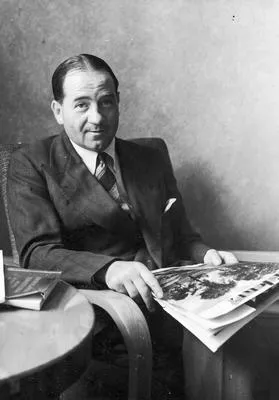 Photo: Unknown authorUnknown author. Source and license in Image credits.
Midfielder
A withdrawn creator whose passing connected the defence with the fast attacks of the first championship sides.
Forward
An inside-scoring winger whose finishing complemented James’s passing in the great pre-war teams.
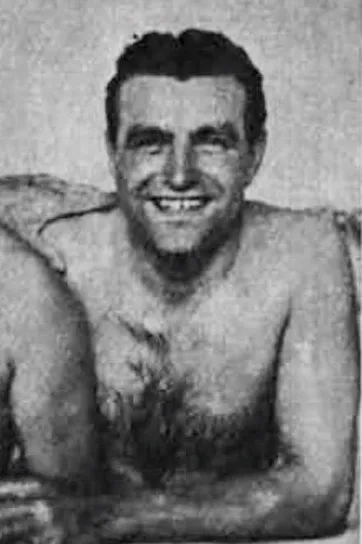 Photo: Unknown authorUnknown author. Source and license in Image credits.
Defender
A composed left-back and captain who gave the 1930s side authority as well as defensive technique.
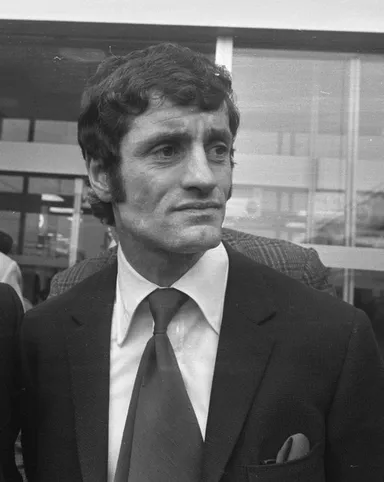 Photo: Rob Mieremet / Anefo. Source and license in Image credits.
Defender
The captain of the 1971 double winners, central to a side rebuilt around shared defensive responsibility.
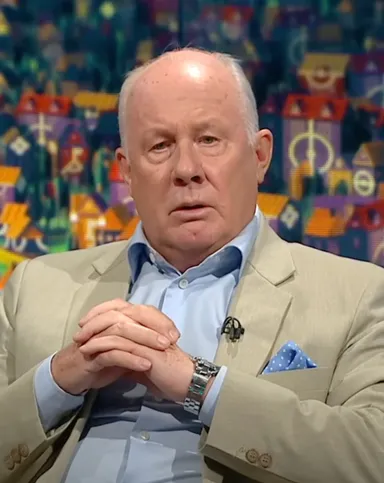 Photo: RTÉ Sport. Source and license in Image credits.
Midfielder
A youth graduate whose left-footed passing gave the late-1970s team an imaginative centre.
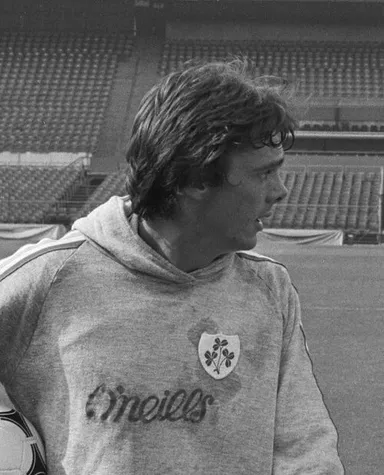 Photo: Marcel Antonisse / Anefo. Source and license in Image credits.
Defender
The club’s appearance record holder linked the 1970s generation to Graham’s league champions.
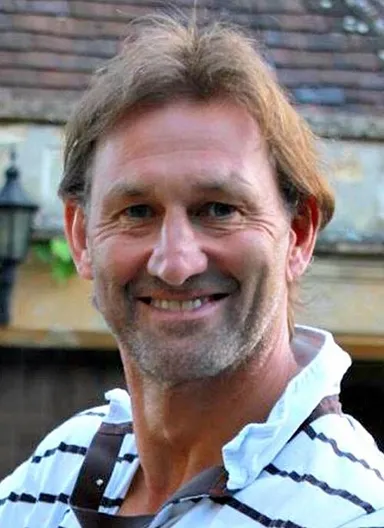 Photo: Jade Moulds. Source and license in Image credits.
Defender
A captain across contrasting managerial eras, carrying the defensive standards into Wenger’s first two doubles.
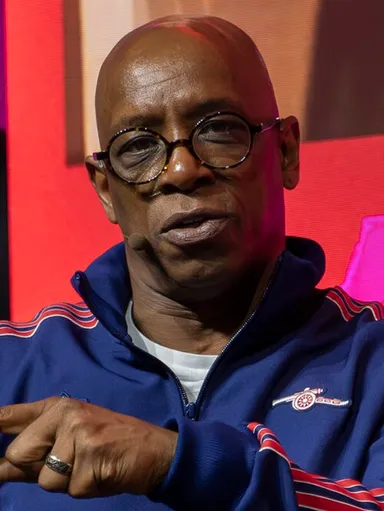 Photo: Duk3L1xon. Source and license in Image credits.
Forward
A late-arriving professional whose sharp movement and instinctive finishing made him a defining Highbury scorer.
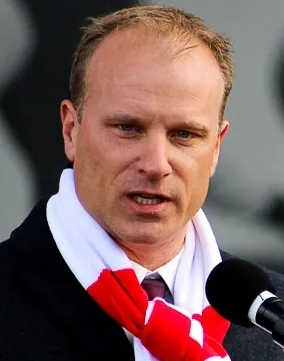 Photo: Kieran Clarke. Source and license in Image credits.
Forward
His first touch and passing between the lines changed the possibilities of Arsenal’s attack.
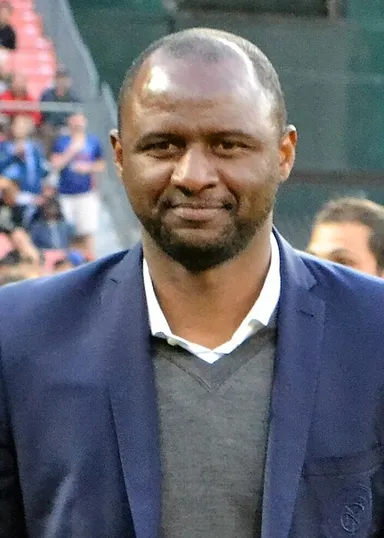 Photo: Simon Heseltine. Source and license in Image credits.
Midfielder
The midfield carrier and ball-winner became captain of the unbeaten league champions.

Forward
Arsenal’s record scorer made the left channel a route to both goals and assists, before a brief loan return.
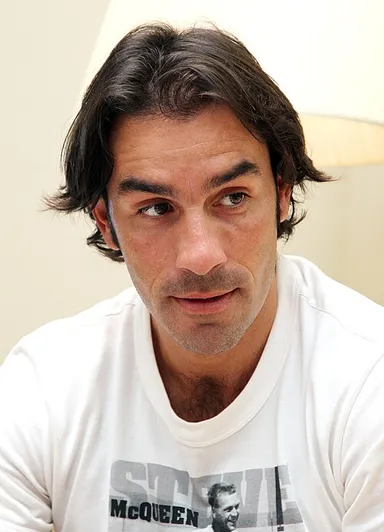 Photo: Doha Stadium Plus Qatar. Source and license in Image credits.
Midfielder
A wide playmaker whose combinations with Henry and the overlapping left-back linked creation with goals.
Photo: Unknown authorUnknown author. Source and license in Image credits.A withdrawn creator whose passing connected the defence with the fast attacks of the first championship sides.
An inside-scoring winger whose finishing complemented James’s passing in the great pre-war teams.
Photo: Unknown authorUnknown author. Source and license in Image credits.A composed left-back and captain who gave the 1930s side authority as well as defensive technique.
Photo: Rob Mieremet / Anefo. Source and license in Image credits.The captain of the 1971 double winners, central to a side rebuilt around shared defensive responsibility.
Photo: RTÉ Sport. Source and license in Image credits.A youth graduate whose left-footed passing gave the late-1970s team an imaginative centre.
Photo: Marcel Antonisse / Anefo. Source and license in Image credits.The club’s appearance record holder linked the 1970s generation to Graham’s league champions.
Photo: Jade Moulds. Source and license in Image credits.A captain across contrasting managerial eras, carrying the defensive standards into Wenger’s first two doubles.
Photo: Duk3L1xon. Source and license in Image credits.A late-arriving professional whose sharp movement and instinctive finishing made him a defining Highbury scorer.
Photo: Kieran Clarke. Source and license in Image credits.His first touch and passing between the lines changed the possibilities of Arsenal’s attack.
Photo: Simon Heseltine. Source and license in Image credits.The midfield carrier and ball-winner became captain of the unbeaten league champions.
Arsenal’s record scorer made the left channel a route to both goals and assists, before a brief loan return.
Photo: Doha Stadium Plus Qatar. Source and license in Image credits.A wide playmaker whose combinations with Henry and the overlapping left-back linked creation with goals.

From West Ham’s European captain to Arsenal’s versatile midfield reference, Rice shows how protection and progression can belong to the same action.

A developing example of defensive security supporting an attacking team: his significance lies in the connection between individual decisions and collective structure.
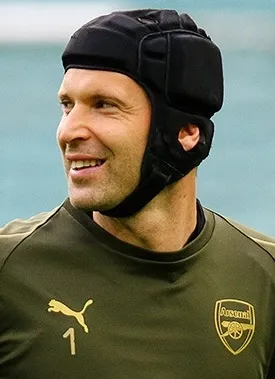 Photo: Amir Hosseini. Source and license in Image credits.
Čech’s Chelsea record comprises 494 competitive appearances and 228 clean sheets. Across Chelsea and Arsenal, his Premier League career contains 443 appearances and 202 clean sheets. Four league titles and the 2012 Champions League anchor his Chelsea legacy, but the lasting lesson is technical: repeatable preparation can make spectacular saves less necessary, while keeping a goalkeeper ready when an exceptional intervention is required.
Coaching legacy
Club tenure only. Honours include senior first-team league, cup, super cup, continental and world titles where verified. European titles count European Cup / Champions League wins.
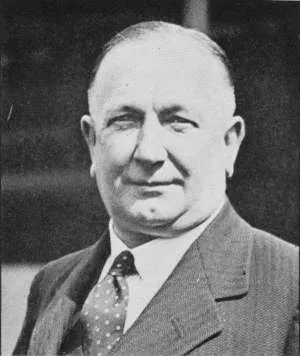 Photo: Unknown authorUnknown author. Source and license in Image credits.
1925–1934
Developed a more protected central defence and direct transitions, winning the first FA Cup and two league titles.
The 1934 title was completed under caretaker Joe Shaw after Chapman’s death; it is not added to his two completed championships.
1934–1947
Maintained the pre-war winning structure, adding the 1935 and 1938 league titles and the 1936 FA Cup.
 Photo: Unknown authorUnknown author. Source and license in Image credits.
1947–1956
Led the post-war recovery with league titles in 1948 and 1953 and the 1950 FA Cup.
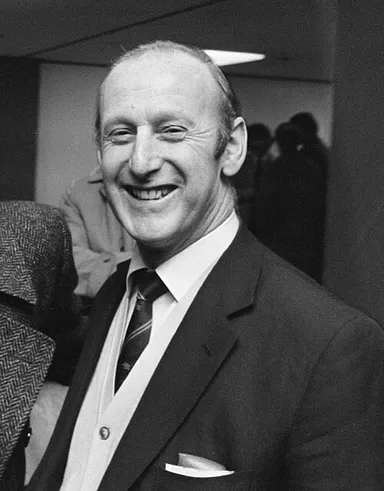 Photo: Rob Mieremet / Anefo. Source and license in Image credits.
1966–1976
Turned the 1970 Fairs Cup breakthrough into the 1971 league and FA Cup double.
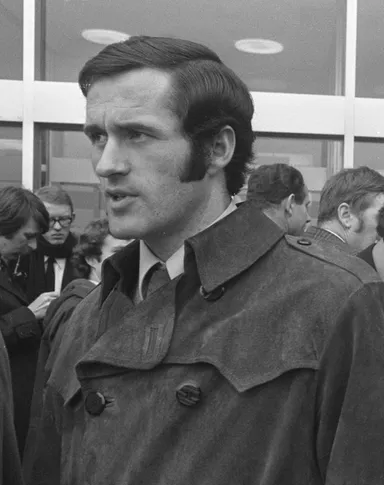 Photo: Rob Mieremet / Anefo. Source and license in Image credits.
1986–1995
Built a coordinated back line around Adams, winning at Anfield in 1989 and lifting the 1994 Cup Winners’ Cup.
European Cup totals exclude the Cup Winners’ Cup.

1996–2018
Combined international recruitment and attacking combinations with three league titles and seven FA Cups.

2019–present
Won the 2020 FA Cup and rebuilt a title-winning team, ending the league wait in 2026.
Completed honours through 2025–26; the 2026–27 campaign is ongoing.
Club identity
Chapman’s transitions, Graham’s defensive line and Wenger’s attacking combinations represent different ways of organising a competitive team.
The move from Woolwich to Highbury in 1913 made north London the setting for the club’s modern identity.
The cannon recalls the club’s workplace origins; Highbury’s stands and clock connect supporters to the former home.
Hale End links technical development to personal education, with support for the transition into senior football.
The 1970 Fairs Cup and 1994 Cup Winners’ Cup sit beside European final defeats, including the 2026 Champions League final.
The inherited defensive core and international arrivals worked together under Wenger; local development remained part of that broader team-building story.
Identity
Stadium
Current home / London
The move to nearby Ashburton Grove in 2006 expanded the club’s home while preserving its north London location.
Former home / London
Home for 93 years, with the 1930s stands and the clock becoming part of the club’s public identity. The final match was played on 7 May 2006.
Rivalries
A neighbourhood rivalry sharpened by Arsenal’s move north and more than a century of contested local identity.
The 1913 move made Arsenal Tottenham’s north London neighbour. Arsenal clinched the 1971 league championship at Tottenham before completing the double.
Development
Technical training sits beside education and personal development. Clear communication and regular contact with senior football help young players move between age groups and the first team.
Historical role
Adams, Brady and O’Leary belong to earlier youth-development generations. Hale End’s modern pathway continues that tradition through players such as Saka and Wilshere.
Famous graduates
Collection
Kits
Home kit / 1933–34
Home kit / 2003–04
Home kit / 2005–06
Commercial
MAIN SHIRT
TECHNICAL SUPPLIER
Kit studies are abstract colour and pattern references, not reproductions of official shirts.
Records
May 2003 to October 2004; distinct from the 38-match unbeaten championship season.
As of 2026-09-14The 18-title Shield register includes the 1991 edition shared with Tottenham.
As of 2026-09-14