6

League titles
First · 1954–55
Latest · 2016–17View winning seasons
1954–55 · 2004–05 · 2005–06 · 2009–10 · 2014–15 · 2016–17
Chelsea Football Club
A west London club whose 1955 championship preceded cup successes and a sustained period at the top of English and European football after 2003.
Overview
Historical assessment
Overall Historical Index
91/100Football Legends DB editorial assessment
Football Legends DB editorial / historical index. This is not an official FIFA or UEFA ranking, a live form table or a player rating.
Version 1.0: editors assess eight dimensions from 0–100 using the cited historical record. The overall score is their equally weighted arithmetic mean, rounded to the nearest whole number. Trophy totals are evidence, not points automatically added to a formula.
Assessment guide: 0–39 limited documented impact; 40–59 established national contribution; 60–79 sustained national or continental influence; 80–94 major international influence; 95–100 a historical benchmark across generations. These are editorial judgements, not measured percentiles. Missing evidence means no published index.
World titles and sustained success across eras inform the historical and international assessments. Scores may be revised when the evidence or editorial assessment changes.
Assessment notes · Two European Cups, a broad range of European trophies and influential modern coaches support the assessment. Earlier relegations and long gaps between title-winning teams temper continuity; the academy’s contribution extends beyond those who stayed at Chelsea.
Current chapter
Season
2026–27Verified
Alonso’s appointment takes effect from 1 July 2026 on a four-year contract. The current project follows the 2025 international trophies and the 2026 FA Cup final defeat to Manchester City.
Honours
First · 1954–55
Latest · 2016–17First · 1969–70
Latest · 2017–18First · 1964–65
Latest · 2014–15First · 1955
Latest · 2009First · 2011–12
Latest · 2020–21First · 2012–13
Latest · 2018–19First · 1970–71
Latest · 1997–98First · 1998
Latest · 2021First · 2024–25
Latest · 2024–25First · 2021
Latest · 2025First · 1985–86
Latest · 1989–90History
Chelsea was founded on 10 March 1905 to play at a ground that had opened as an athletics venue in 1877.
Bentley captained a team that ended Chelsea’s first fifty years with its first league title. Drake’s changes gave the club a more purposeful football organisation.
Tactical identity · Collective work and a mobile centre-forward
Sexton’s side won the FA Cup in 1970 and the Cup Winners’ Cup a year later. Both finals required replays, with Osgood scoring in each decisive match.
Tactical identity · Technique and combination play with firmer organisation
Explore the defining match ↗Dixon’s scoring helped the club recover from the second tier. Promotion and setbacks preceded the later international transformation.
Tactical identity · Direct attacking partnerships and penalty-area presence
Gullit and then Vialli led a team whose imported technique complemented Wise’s leadership. Zola’s goal won the 1998 European final.
Tactical identity · Technical creators around an experienced central core
Back-to-back championships followed the 2004 appointment. Only fifteen league goals conceded in 2004–05 set a defensive benchmark.
Tactical identity · A protected centre, fast wide players and midfield arrivals
Ancelotti’s 2010 team won the league and FA Cup, with Lampard and Drogba supplying goals from complementary positions.
Tactical identity · Flexible midfield shapes and multiple routes to goal
Di Matteo took over during the season and finished it with two cups. Cech and Drogba were decisive in the European final against Bayern.
Tactical identity · Compact defending, resilience and decisive transitions
Explore the defining match ↗Mourinho’s second spell won the 2015 title. Conte’s switch to three centre-backs brought the next championship in 2017, with Hazard influential in both.
Tactical identity · From a compact back four to attacking wing-backs
Tuchel arrived in January 2021 and won the Champions League in Porto. The UEFA Super Cup and the 2021-edition Club World Cup followed.
Tactical identity · Three centre-backs, wing-backs and protected central spaces
Explore the defining match ↗Maresca’s team won the Conference League and the expanded Club World Cup in 2025. Those completed honours precede Alonso’s new chapter.
Tactical identity · Structured possession with targeted high pressing
Explore the defining match ↗A four-year managerial agreement begins in July, after the season ended with defeat in the FA Cup final.
Defining games
1970 FA Cup final · replay
Chelsea 2–1 Leeds United
After extra time · replay following a 2–2 draw
Old Trafford, Manchester
Osgood equalised and Webb headed the extra-time winner. After a 2–2 draw at Wembley, the replay gave Sexton’s team its first FA Cup.
Cup Winners’ Cup final · replay
Chelsea 2–1 Real Madrid
Replay following a 1–1 draw
Karaiskakis Stadium, Piraeus
Dempsey and Osgood scored in the replay, two days after the drawn final, to secure Chelsea’s first European trophy.
Champions League final
Chelsea 1–1 Bayern Munich
After extra time · won 4–3 on penalties
Allianz Arena, Munich
Drogba equalised late and Cech saved Robben’s extra-time penalty. Two further shootout saves gave Drogba the chance to convert the winning kick.
Champions League final
Havertz’s first-half goal decided the final. Tuchel’s organised defence protected the lead against a team built to control possession.
FIFA Club World Cup final
Chelsea 3–0 Paris Saint-Germain
MetLife Stadium, New Jersey
Palmer scored twice and João Pedro added the third before half-time as Maresca’s side defeated the European champions.
Legends
Forward
The 1955 championship captain could withdraw from the front line to disturb defenders and connect attacks.
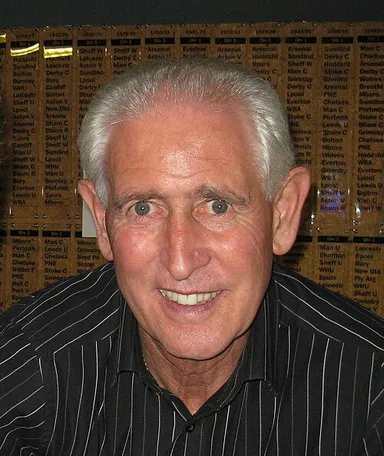 Photo: Christophe95. Source and license in Image credits.
Goalkeeper
The Cat’s agility and long service connected the youthful cup winners to the difficult rebuilding years.
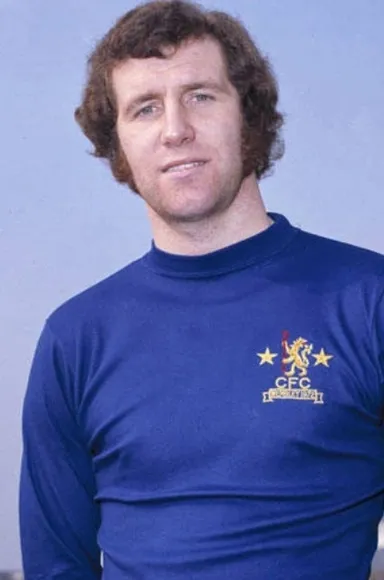 Photo: JohnPosey22 of perchance-chat.fandom.com. Source and license in Image credits.
Forward
The King of Stamford Bridge paired strength with technique and scored in both the 1970 and 1971 final replays.
Defender
The appearance record holder captained the first FA Cup and European trophy-winning teams.
Forward
His goals powered promotion in 1984 and helped re-establish Chelsea in the top flight.
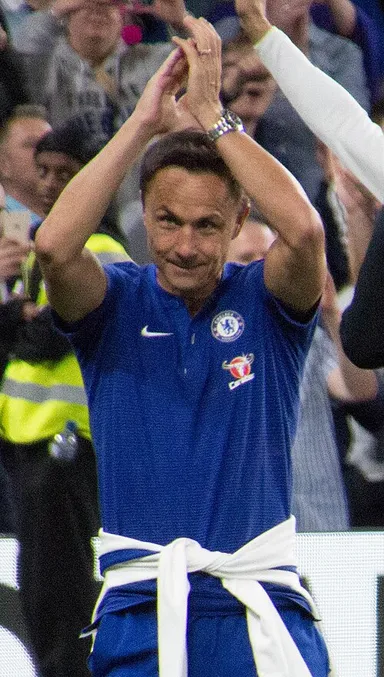 Photo: @cfcunofficial (Chelsea Debs) London from London, UK. Source and license in Image credits.
Midfielder
A combative captain who helped new international arrivals settle during the 1990s transformation.
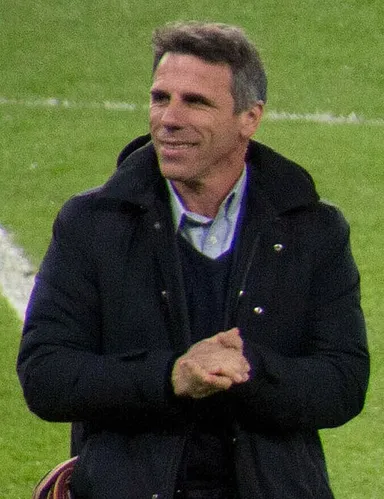 Photo: @cfcunofficial (Chelsea Debs) London from London, UK. Source and license in Image credits.
Forward
Close control and invention made him a creative reference point; his goal decided the 1998 Cup Winners’ Cup final.
 Photo: ChristopherJClarke. Source and license in Image credits.
Defender
An academy graduate whose anticipation, aerial defending and leadership held together successive title-winning sides.
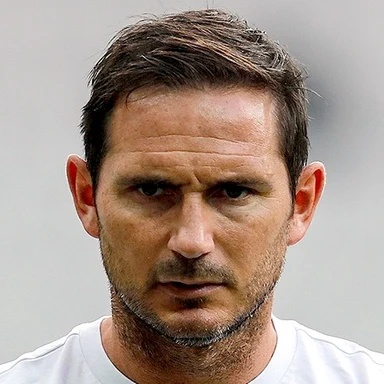 Photo: Mehdi Bolourian / Fars Media Corporation. Source and license in Image credits.
Midfielder
The club’s record scorer arrived from midfield at the decisive moment while sustaining the team’s passing and running.
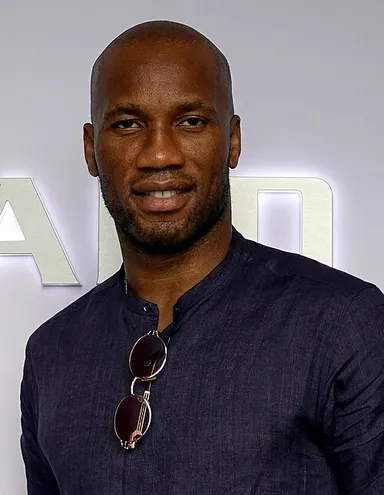 Photo: Y.Leclercq©. Source and license in Image credits.
Forward
A forward who could anchor the attack and decide finals, returning after the unforgettable conclusion of his first spell in Munich.
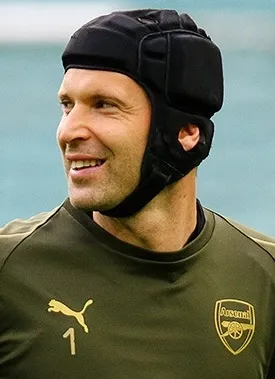 Photo: Amir Hosseini. Source and license in Image credits.
Goalkeeper
Command of the penalty area and consistency supported four league titles, with Munich’s penalty saves his defining night.
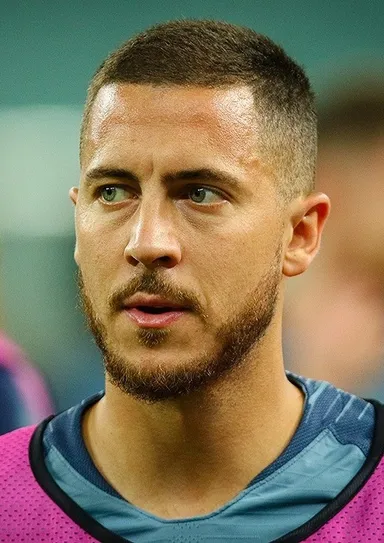 Photo: Amir Hosseini / Fars Media Corporation. Source and license in Image credits.
Forward
A dribbler who drew defenders out of shape and carried creative responsibility through the 2015 and 2017 titles.
The 1955 championship captain could withdraw from the front line to disturb defenders and connect attacks.
Photo: Christophe95. Source and license in Image credits.The Cat’s agility and long service connected the youthful cup winners to the difficult rebuilding years.
Photo: JohnPosey22 of perchance-chat.fandom.com. Source and license in Image credits.The King of Stamford Bridge paired strength with technique and scored in both the 1970 and 1971 final replays.
The appearance record holder captained the first FA Cup and European trophy-winning teams.
His goals powered promotion in 1984 and helped re-establish Chelsea in the top flight.
Photo: @cfcunofficial (Chelsea Debs) London from London, UK. Source and license in Image credits.A combative captain who helped new international arrivals settle during the 1990s transformation.
Photo: @cfcunofficial (Chelsea Debs) London from London, UK. Source and license in Image credits.Close control and invention made him a creative reference point; his goal decided the 1998 Cup Winners’ Cup final.
Photo: ChristopherJClarke. Source and license in Image credits.An academy graduate whose anticipation, aerial defending and leadership held together successive title-winning sides.
Photo: Mehdi Bolourian / Fars Media Corporation. Source and license in Image credits.The club’s record scorer arrived from midfield at the decisive moment while sustaining the team’s passing and running.
Photo: Y.Leclercq©. Source and license in Image credits.A forward who could anchor the attack and decide finals, returning after the unforgettable conclusion of his first spell in Munich.
Photo: Amir Hosseini. Source and license in Image credits.Command of the penalty area and consistency supported four league titles, with Munich’s penalty saves his defining night.
Photo: Amir Hosseini / Fars Media Corporation. Source and license in Image credits.A dribbler who drew defenders out of shape and carried creative responsibility through the 2015 and 2017 titles.
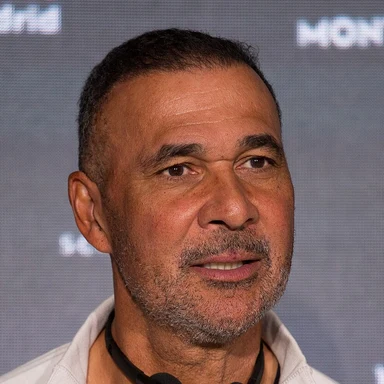 Photo: Barcex. Source and license in Image credits.
Gullit gave technically ambitious teams an unusually powerful way to progress the ball. His Milan partnership with Van Basten and Rijkaard joined Dutch positional ideas to Sacchi’s collective game.
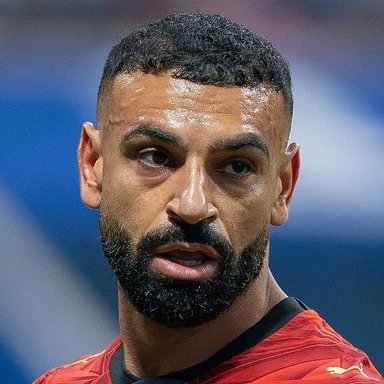 Photo: Bryan Berlin / WikiPortraits. Source and license in Image credits.
Salah helped define Liverpool’s revival through repeated scoring, diagonal movement and growing creativity. His Egyptian national-team story and the 2026 move to Trabzonspor extend a career beyond its completed Anfield chapter.
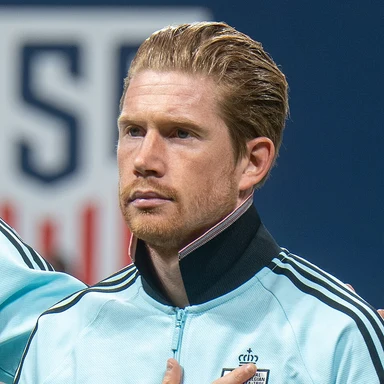 Photo: Bryan Berlin. Source and license in Image credits.
De Bruyne makes the next attacking action available earlier, combining ambitious delivery with movement and a credible finish. His continuing career includes distinct German, English and Italian chapters.

Elite goal protection across different defensive systems, with the 2022 European final as a defining reference.
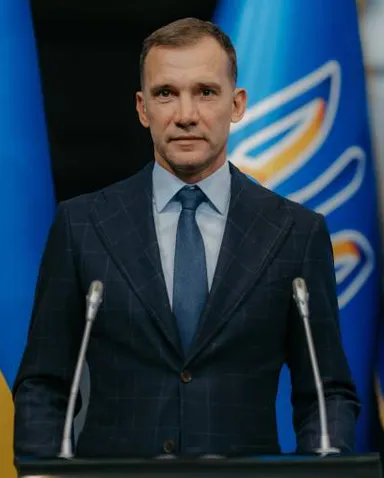 Photo: Міністерство молоді та спорту України. Source and license in Image credits.
His peak showed how speed and penalty-area craft could belong to the same forward, with the team’s creators supplying the next opening.
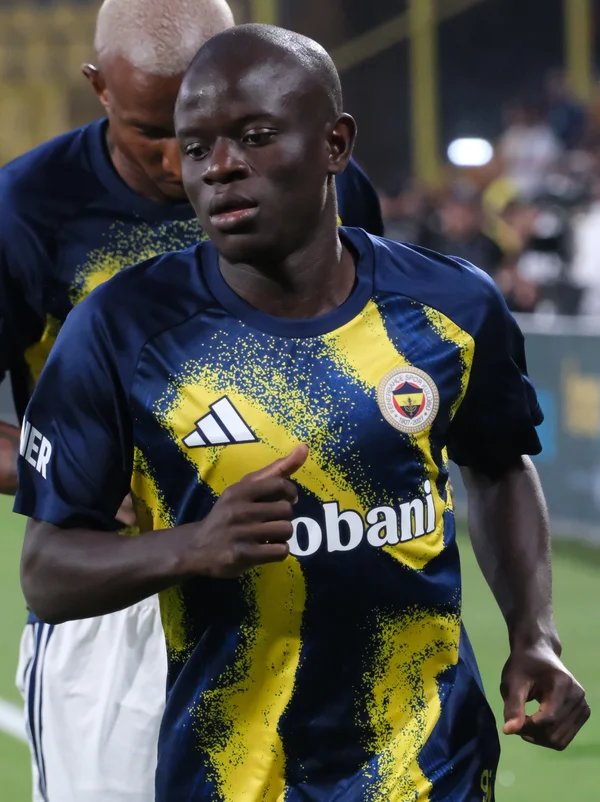 Photo: Zafer / Wikimedia Commons. Source and license in Image credits.
Kanté’s lasting contribution is not simply how much ground he covers, but how often that movement repairs the team’s shape. His 2021 European campaign shows a midfielder who can interrupt an attack, escape the first challenge and give teammates a usable next pass.
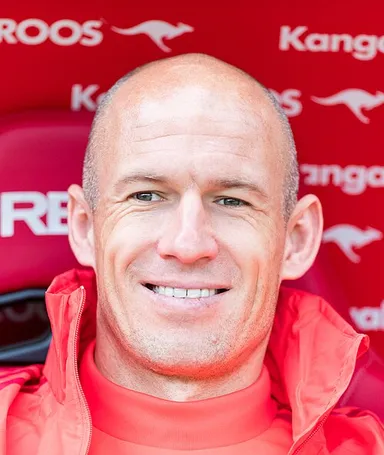 Photo: Sven Mandel. Source and license in Image credits.
Robben’s signature was recognisable without being easy to stop. He could change the speed of the duel, keep the ball close enough for another touch and make the defender protect both the outside lane and the shot inside. His partnership with Ribéry helped define a Bayern era, but injuries interrupted his availability. A balanced legacy celebrates the mechanism and its decisive moments without turning a difficult career into uninterrupted dominance.
Coaching legacy
Club tenure only. Honours include senior first-team league, cup, super cup, continental and world titles where verified. European titles count European Cup / Champions League wins.
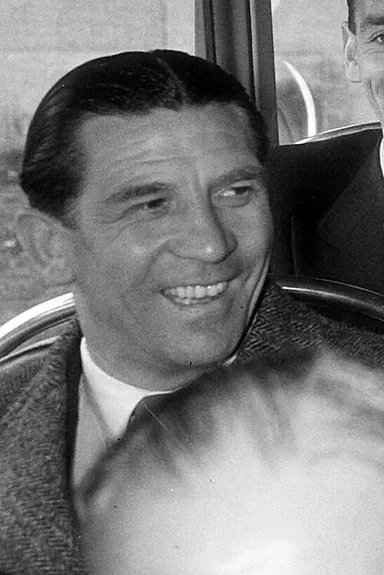 Photo: Rossem, Wim van / Anefo. Source and license in Image credits.
1952–1961
Modernised training and scouting, leading Bentley’s team to the 1955 championship.
1967–1974
Added tactical organisation to a gifted side, winning the 1970 FA Cup and the 1971 Cup Winners’ Cup.
The Cup Winners’ Cup is not counted as a European Cup.

2004–2007 · 2013–2015
Protected the centre through Makelele and a coordinated defence, winning three league titles across two spells.

2009–2011
Joined an established core to a more productive attack, completing Chelsea’s first league and FA Cup double in 2010.
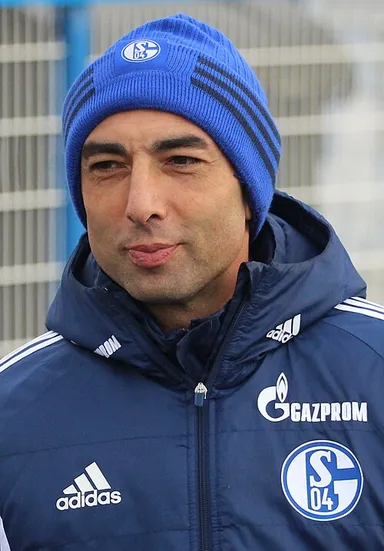 Photo: Daniel Kraski. Source and license in Image credits.
2012
Took over mid-season and guided the team to the FA Cup and its first Champions League title.

2016–2018
The switch to three central defenders helped produce the 2017 league title; the FA Cup followed in 2018.

2021–2022
A compact back-three structure won the 2021 Champions League, followed by the UEFA Super Cup and Club World Cup.
Club identity
The club has succeeded through different structures: Sexton’s combinations, Mourinho’s protected midfield and the back threes of Conte and Tuchel.
Stamford Bridge and the nearby King’s Road connect the club to a particular part of west London across very different football eras.
Blue shirts, the Shed and the song Blue Is the Colour connect supporters across generations.
Wise and Zola helped bridge the move to an international squad; Terry and Lampard later carried continuity across repeated coaching changes.
Education and football development run together at Cobham, with youth trophies only one part of preparing players for adult careers.
The 1971 and 1998 Cup Winners’ Cups preceded two Champions Leagues, two Europa Leagues and the 2025 Conference League.
Identity
Stadium
Current home / London
Opened as an athletics ground in 1877; Chelsea have played here since the club’s foundation in 1905. The Shed became a focal point of supporter culture.
Rivalries
The 1970 FA Cup final and replay gave a long-running competitive rivalry its defining chapter.
The confrontation later extended to the second tier, including Chelsea’s 1984 promotion season. Its significance crosses divisions and generations.
A cross-London rivalry shaped by cup meetings and league contests.
Development
Football training is integrated with education and personal development. The full-time school programme introduced in 2012 supports players whose futures may lie inside or outside professional football.
Historical role
Bonetti and Harris emerged from earlier youth teams, while Terry became the modern academy’s most successful captain. James and Mount illustrate later routes into the first team. Cobham’s buildings are not the beginning of this history.
Famous graduates
Collection
Kits
Home kit / 1969–70
Home kit / 2004–05
Home kit / 2011–12
Commercial
TECHNICAL SUPPLIER
Kit studies are abstract colour and pattern references, not reproductions of official shirts.
Records
Clean sheets across 494 Chelsea appearances.
As of 2026-09-15The 2021 tournament was played in February 2022; the expanded 32-team competition was won in 2025. World honours remain separate from UEFA competitions.
As of 2026-09-15