4
Serie A
First · 1986–87
Latest · 2024–25View winning seasons
1986–87 · 1989–90 · 2022–23 · 2024–25
Società Sportiva Calcio Napoli S.p.A.
Naples’s sky-blue club connects early local heroes, Maradona’s champions and recovery from bankruptcy to new title-winning generations.
Overview
Historical assessment
Overall Historical Index
85/100Football Legends DB editorial assessment
Football Legends DB editorial / historical index. This is not an official FIFA or UEFA ranking, a live form table or a player rating.
Version 1.0: editors assess eight dimensions from 0–100 using the cited historical record. The overall score is their equally weighted arithmetic mean, rounded to the nearest whole number. Trophy totals are evidence, not points automatically added to a formula.
Assessment guide: 0–39 limited documented impact; 40–59 established national contribution; 60–79 sustained national or continental influence; 80–94 major international influence; 95–100 a historical benchmark across generations. These are editorial judgements, not measured percentiles. Missing evidence means no published index.
World titles and sustained success across eras inform the historical and international assessments. Scores may be revised when the evidence or editorial assessment changes.
Assessment notes · An editorial assessment recognising Maradona’s influence, four league titles and the post-2004 reconstruction while keeping European and domestic honours distinct.
Current chapter
Season
2026–27Verified
Allegri took charge in summer 2026. His present team is shown separately from Conte’s 2025 league and Super Cup winners.
Honours
First · 1986–87
Latest · 2024–25First · 1961–62
Latest · 2019–20First · 1990
Latest · 2025First · 1988–89
Latest · 1988–89First · 1976
Latest · 1976History
Sallustro and Vinício represent different early generations. The move to the San Paolo in 1959 preceded the 1962 cup victory from Serie B.
Tactical identity · From individual scorers to a competitive collective
Explore the defining match ↗Juliano’s midfield leadership, the 1976 cup and Krol’s later defensive quality show that the competitive tradition predates 1984.
Tactical identity · Technical midfield play and changing defensive systems
Bianchi’s double and UEFA Cup preceded Bigon’s second league and Super Cup. Careca and local defenders shared in the success.
Tactical identity · A creative number ten with complementary runners
Explore the defining match ↗A new organisation under De Laurentiis followed bankruptcy. Reja’s team climbed through the divisions and returned to Serie A in 2007.
Tactical identity · Continuity and recovery before title ambitions
Hamšík and Cavani shaped Mazzarri’s team. Benítez added the 2014 Italian Cup and Super Cup with a reshaped attack.
Tactical identity · Fast transitions and complementary forward movements
Sarri’s collective combinations peaked with 91 league points in 2018. Mertens became the record scorer during the period that ended with Gattuso’s 2020 cup win.
Tactical identity · Short combinations, coordinated movement and a mobile centre-forward
Osimhen and Kvaratskhelia became the attacking faces of a balanced team that secured the third league title in Udine.
Tactical identity · Width, central runs and coordinated pressure
Explore the defining match ↗McTominay and Lukaku scored in the 2025 title decider. The Italian Super Cup followed that December before the next coaching transition.
Tactical identity · Adaptable structure and collective work
Explore the defining match ↗Defining games
Coppa Italia final
Napoli 2–1 SPAL
Stadio Olimpico, Rome
Pesaola’s team defeated SPAL to win the Italian Cup while competing in Serie B.
Serie A
Napoli 1–1 Fiorentina
Stadio San Paolo, Naples
Carnevale’s goal and a home draw secured the first league title with one match remaining.
UEFA Cup final · second leg
Napoli 3–3 Stuttgart
5–4 on aggregate
Neckarstadion, Stuttgart
A draw in Stuttgart protected the 2–1 first-leg advantage. Careca and Ferrara scored alongside Alemão to complete the European triumph.
Serie A
Napoli 1–1 Udinese
Dacia Arena, Udine
Osimhen’s equaliser delivered the point needed for the third league title, with celebrations shared between Udine and Naples.
Serie A
Napoli 2–0 Cagliari
Stadio Diego Armando Maradona, Naples
McTominay and Lukaku scored to secure Conte’s championship at home on the final evening.
Legends
Forward
A Paraguayan-born forward and early club symbol, connecting the Internaples roots to the Napoli identity adopted in 1926.
Forward
A powerful attacking reference in the 1950s who later returned as coach with a different collective football vision.
Midfielder
The local midfield captain supplied technical continuity through the competitive teams of the 1960s and 1970s.
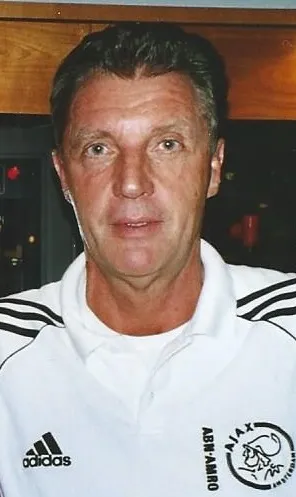 Photo: Christophe95. Source and license in Image credits.
Defender
The Dutch libero brought anticipation and passing quality to a team challenging near the top before Maradona’s arrival.
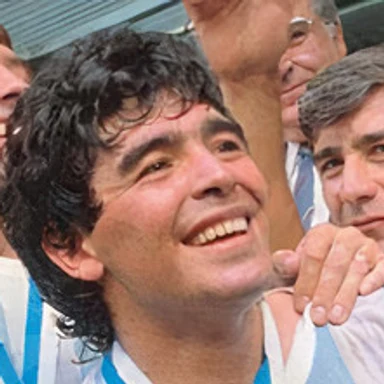 Photo: Unknown author. Source and license in Image credits.
Forward
The creative centre of the first two league champions and 1989 UEFA Cup winners, with an enduring relationship to the city.
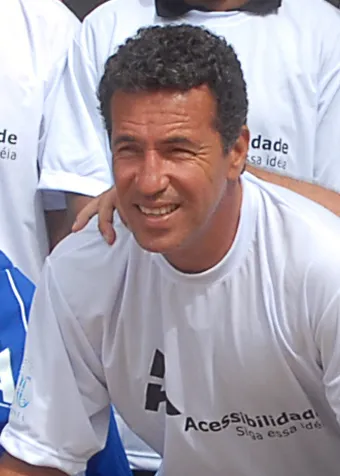 Photo: Valter Campanato/ABr. Source and license in Image credits.
Forward
His speed, movement and finishing complemented Maradona in the UEFA Cup winners and second championship team.
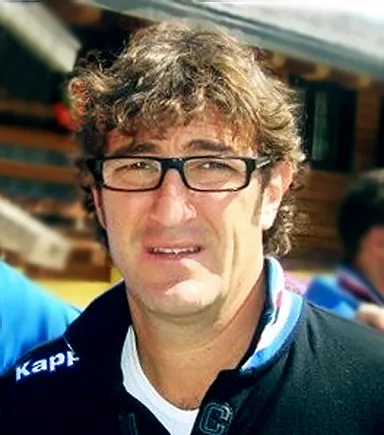 Photo: Palombo90. Source and license in Image credits.
Defender
A locally developed defender who became a mainstay of the championship generation and scored in the 1989 European final.
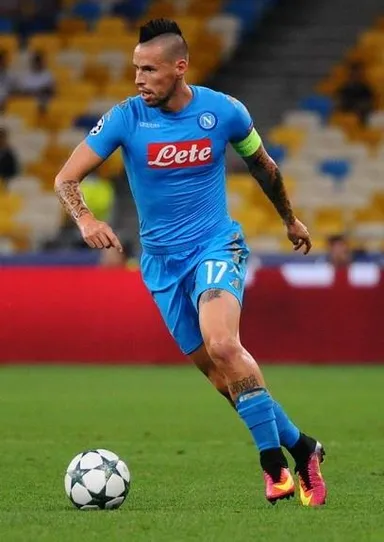 Photo: Илья Хохлов. Source and license in Image credits.
Midfielder
The long-serving midfield leader combined late runs and distribution while setting the club’s appearance record.
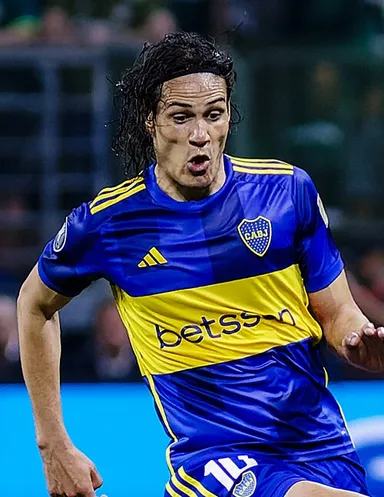 Photo: soccerdigital. Source and license in Image credits.
Forward
His movement and finishing powered the return to the Champions League and the 2012 Italian Cup win.
Forward
A local academy graduate whose left-sided combinations and leadership linked the rebuilt club to the city.
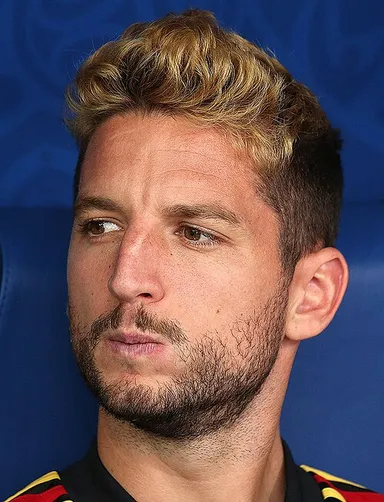 Photo: Кирилл Венедиктов. Source and license in Image credits.
Forward
Adaptation from wide attacker to central scorer helped him become the club’s leading marksman with 148 goals.
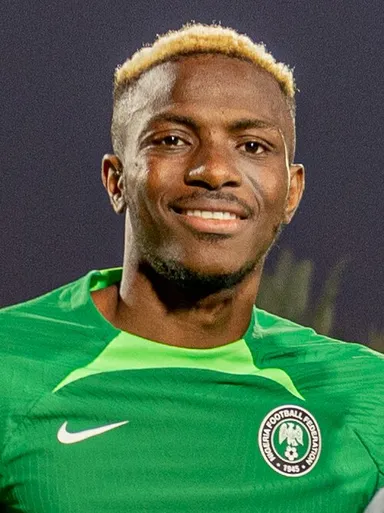 Photo: Fédération Guinéenne Football. Source and license in Image credits.
Forward
Explosive runs and penalty-area finishing gave the 2023 champions their central attacking reference.
A Paraguayan-born forward and early club symbol, connecting the Internaples roots to the Napoli identity adopted in 1926.
A powerful attacking reference in the 1950s who later returned as coach with a different collective football vision.
The local midfield captain supplied technical continuity through the competitive teams of the 1960s and 1970s.
Photo: Christophe95. Source and license in Image credits.The Dutch libero brought anticipation and passing quality to a team challenging near the top before Maradona’s arrival.
Photo: Unknown author. Source and license in Image credits.The creative centre of the first two league champions and 1989 UEFA Cup winners, with an enduring relationship to the city.
Photo: Valter Campanato/ABr. Source and license in Image credits.His speed, movement and finishing complemented Maradona in the UEFA Cup winners and second championship team.
Photo: Palombo90. Source and license in Image credits.A locally developed defender who became a mainstay of the championship generation and scored in the 1989 European final.
Photo: Илья Хохлов. Source and license in Image credits.The long-serving midfield leader combined late runs and distribution while setting the club’s appearance record.
Photo: soccerdigital. Source and license in Image credits.His movement and finishing powered the return to the Champions League and the 2012 Italian Cup win.
A local academy graduate whose left-sided combinations and leadership linked the rebuilt club to the city.
Photo: Кирилл Венедиктов. Source and license in Image credits.Adaptation from wide attacker to central scorer helped him become the club’s leading marksman with 148 goals.
Photo: Fédération Guinéenne Football. Source and license in Image credits.Explosive runs and penalty-area finishing gave the 2023 champions their central attacking reference.
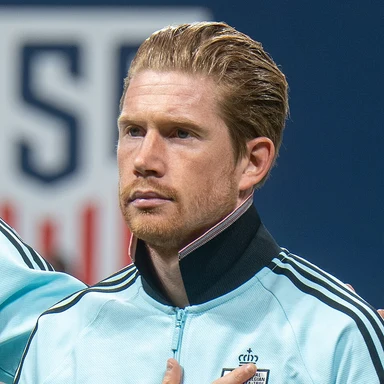 Photo: Bryan Berlin. Source and license in Image credits.
De Bruyne makes the next attacking action available earlier, combining ambitious delivery with movement and a credible finish. His continuing career includes distinct German, English and Italian chapters.

From Napoli’s Scudetto to Georgia’s first EURO and European success with Paris, Kvaratskhelia connects expressive wing play with collective achievement.
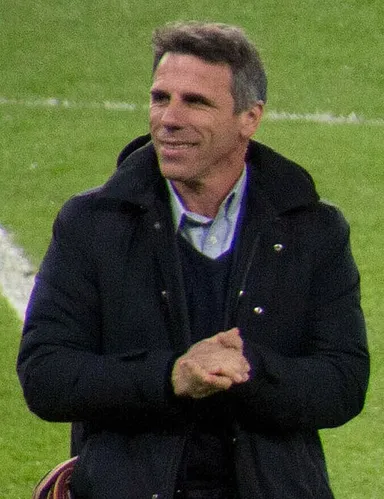 Photo: @cfcunofficial (Chelsea Debs) London from London, UK. Source and license in Image credits.
Zola helped Chelsea become a side capable of winning cups while making creative freedom part of its identity. His record belongs to a player who could link midfield and attack as well as decide a final. The absence of a Chelsea league title does not diminish that contribution, and the 1998 Cup Winners’ Cup must not be confused with the Champions League.
Coaching legacy
Club tenure only. Honours include senior first-team league, cup, super cup, continental and world titles where verified. European titles count European Cup / Champions League wins.
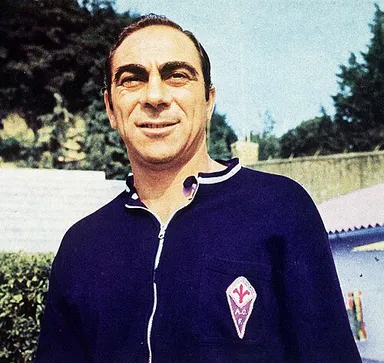 Photo: Unknown authorUnknown author. Source and license in Image credits.
1962–1963 · 1964–1968 · 1976–1977 · 1982–1983
Won the 1962 Italian Cup while in Serie B and later led the team to a league runner-up finish.
1985–1989 · 1992–1993
Coached the first league-and-cup double and the 1989 UEFA Cup, giving Maradona’s talent a durable team structure.
1989–1991
Led the second league title and the 1990 Italian Super Cup with the established championship core.
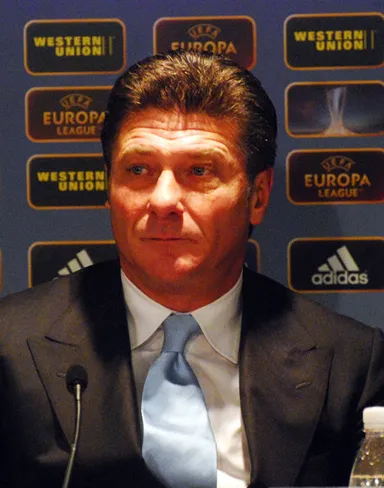 Photo: Anders Henrikson. Source and license in Image credits.
2009–2013 · 2023–2024
The first spell restored Champions League football and won the 2012 cup; the later return was a separate tenure.
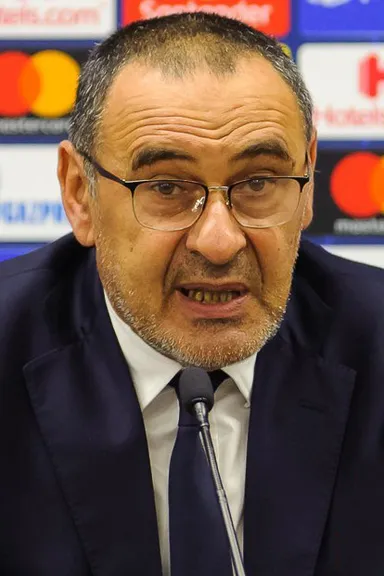 Photo: Анна Нэсси. Source and license in Image credits.
2015–2018
Fast combinations and collective positioning produced a 91-point league campaign in 2018 without winning the title.
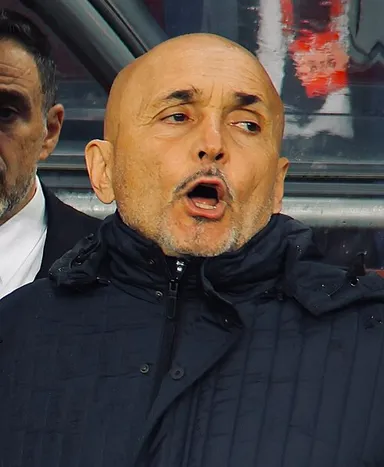 Photo: MichaelEmilio. Source and license in Image credits.
2021–2023
Ended the thirty-three-year league wait with a fluid attack built around Osimhen, Kvaratskhelia and a balanced midfield.

2024–2026
Rebuilt the team into 2025 league champions and added the Italian Super Cup that December.
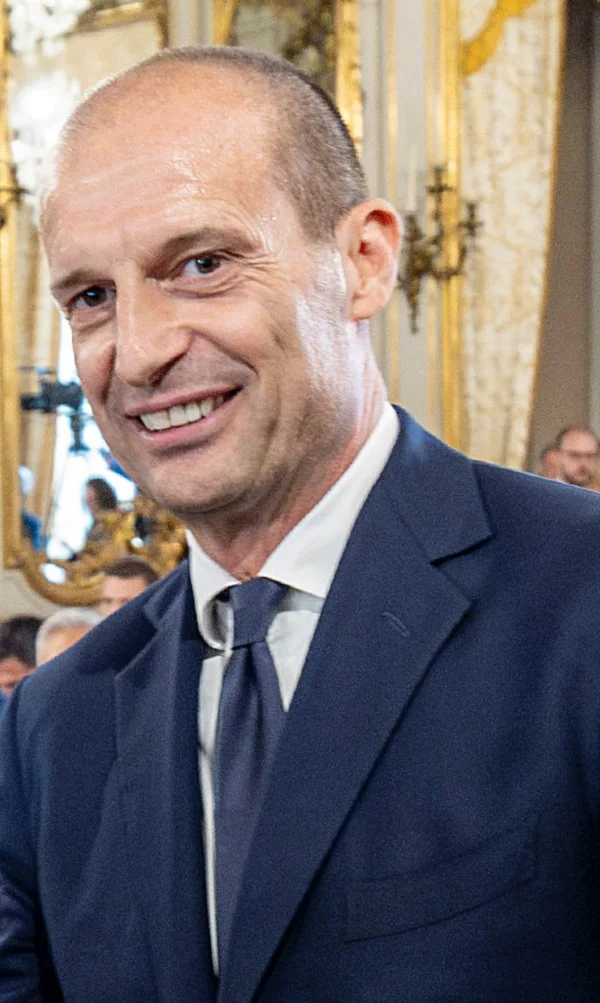 Photo: Quirinale / Presidenza della Repubblica Italiana. Source and license in Image credits.
2026–present
Appointed in July 2026 on a contract through June 2029; the appointment remains open, with no inferred current match total.
Club identity
Maradona’s creative freedom, Sarri’s combinations and Spalletti’s width show a recurring interest in attacking invention across different systems.
The 2004 bankruptcy and subsequent climb through the divisions make reconstruction a central part of the modern story.
Local players and international recruits have shared the same teams: Ferrara beside Maradona and Careca, then Insigne beside Hamšík and Mertens.
The youth pathway connects the city to senior football. Developing a local player and signing an established international are different parts of the club’s work.
The sky-blue colours and the stadium named for Maradona tie matchdays to a collective memory that extends beyond one championship generation.
The 1989 UEFA Cup anchors the trophy story. The later return to Champions League football belongs to the reconstruction era.
Identity
Stadium
Current home / Naples
Opened as the San Paolo in December 1959 and renamed for Maradona in 2020. The same stadium links the 1987 and 1990 champions to the celebrations of 2023 and 2025.
Rivalries
Napoli and Roma meet in the Derby del Sole, connecting the football identities of Naples and Rome.
The fixture brings together two major clubs of central and southern Italy. Its history includes changing title ambitions and memorable contests between successive attacking generations.
Development
A youth-team pathway into competitive football, connecting local development with the demands of the senior game.
Historical role
Ferrara, Fabio Cannavaro and Insigne represent different generations of local development. Insigne’s senior pathway included loans before establishing himself in Naples; the club’s international recruits followed a different route.
Famous graduates
Collection
Kits
Home kit / 1986–87
Home kit / 1988–89
Home kit / 2022–23
Commercial
TECHNICAL SUPPLIER
MAIN SHIRT
Kit studies are abstract colour and pattern references, not reproductions of official shirts.
Records
Sarri’s team finished second despite its points total; this season does not add a league title.
As of 2026-09-15The two-legged final finished 5–4 on aggregate. The UEFA Cup is distinct from the European Cup / Champions League.
As of 2026-09-15