Defining football actions
- First touch
- Generational
- Chance creation
- Elite
- Ball retention
- Elite
- Vision
- Elite

Zinedine Yazid Zidane
A midfield artist whose first touch, balance and spatial patience made pressure look like permission.
Senior club · all competitions
Completed club records only; not a complete career total.
Active club snapshots and records with another scope are excluded. Assist totals are not combined across incompatible definitions.
Stored archive snapshots, not live counters. Missing values are not zero; records with different scopes are never added together.
G/M = goals ÷ appearances. G+A = goals + assists. Per-90 metrics use documented minutes.
Senior international · all competitions
Stored archive snapshots, not live counters. Missing values are not zero; records with different scopes are never added together.
G/M = goals ÷ appearances. G+A = goals + assists. Per-90 metrics use documented minutes.
In context
Real Madrid records 227 games and 49 goals for Zinedine Zidane between 2001 and 2006. His later managerial record is outside this player exhibit.
Reading the game
Zinedine Zidane matters because he showed how receiving the ball could change the structure of an attack. A pass into a crowded area usually asks the receiver to protect possession or move it quickly. Zidane could use the first contact, his body position and a pause to make an opponent commit, then leave that opponent behind. What looked like an individual flourish could turn a difficult reception into time for the whole team.
His career carried that skill through different settings: the development years at Cannes and Bordeaux, Juventus's organised midfield, Real Madrid's constellation of attackers and France's tournament sides. He was neither simply a supplier of the final pass nor a midfielder whose influence depended on constant running into the box. He helped determine when possession could become penetration. The famous goals in the 1998 World Cup final and the 2002 European final are part of that history, but they do not explain most of his work. Understanding Zidane means looking at the seconds before the obvious chance: where he received, which defender he drew and what became possible for a teammate afterwards.
Historical references support the chronology; tactical explanations are museum editorial analysis.
Historical references: Zidane in Juventus’s French contingent ↗ · Zidane’s summer at EURO 2000 ↗ · Real Madrid v Leverkusen: the 2002 final ↗ · Zinedine Zidane — club legend ↗
Career
| Period | Club |
|---|---|
| 1989—1992 | AS CannesThe senior beginning. |
| 1992—1996 | BordeauxA French playmaker takes shape.Senior · #7 |
| 1996—2001 | JuventusControl and continental stature in Turin.Senior · #21 |
| 2001—2006 | Real MadridThe defining artist of the first Galácticos. Senior club · all competitions Senior · #5Performance record
|
Stored archive snapshots, not live counters. Missing values are not zero; records with different scopes are never added together.
G/M = goals ÷ appearances. G+A = goals + assists. Per-90 metrics use documented minutes.
Honours
Real Madrid · continental
Real Madrid · league
France · world
France · continental
France Football · individual
Juventus · league
Story
Career chapter
Cannes and then Bordeaux gave Zidane room to develop the habits that would distinguish his midfield play. He could receive with an opponent close behind, place his body between the challenge and the ball, and turn without needing a long burst of speed. The pause was useful because it invited the defender to show an intention before Zidane chose his exit.
Bordeaux's run to the 1996 UEFA Cup final brought that developing player into a wider European setting. The side's progress mattered more than a simple launch narrative: creative control had to survive stronger opposition and different match situations. His move to Juventus later that year would place those same receiving skills inside a more demanding collective structure.
Historical references: Bordeaux’s route to the 1996 UEFA Cup final ↗ · Zidane in Juventus’s French contingent ↗ · Zinedine Zidane — club legend ↗
Club chapter
At Juventus, Zidane's freedom had a framework. Midfield partners could protect the space behind him and circulate possession, allowing him to receive closer to the forwards or drift towards a side to find a cleaner angle. His task was to connect that organised platform to the attack, drawing a midfielder out before combining or carrying past the next line.
The Italian years broadened the meaning of his technique. Protecting the ball was not merely an escape from a tackle; it could keep an attack alive while a teammate changed position. Juventus reached consecutive European finals in his first two seasons, although neither ended in victory. His growing stature belonged to that sustained collective level as well as to isolated moments of invention.
Historical references: Zidane in Juventus’s French contingent ↗ · Zidane’s Champions League playing career ↗
Explore club contextClub chapter
Madrid often gave Zidane a left-sided starting point without asking him to behave like a touchline winger. He could move infield to connect with the forwards while Roberto Carlos supplied width outside. The arrangement offered several routes after a controlled reception: combine centrally, release the overlapping run or switch play towards the opposite side.
The 2002 final volley made the technical quality unforgettable, but the routine work was less spectacular: taking a difficult pass, slowing a challenge and finding the next player. Madrid's attacking talent also made balance a persistent question. More creators did not automatically provide the running or protection needed behind them. Zidane's influence is clearer when those supporting roles remain in the picture.
Historical references: Real Madrid v Leverkusen: the 2002 final ↗ · Zinedine Zidane — club legend ↗
Explore club contextCareer chapter
France's tournament history contains distinct versions of Zidane. His two headers in the 1998 World Cup final supplied the defining image of the home triumph. At EURO 2000, his carrying and combinations offered a fuller picture of his creative influence across a tournament. In 2006, France again organised much of its attacking connection through him, with supporting midfielders and wide runners giving his receptions a purpose.
His display against Brazil and delivery for Thierry Henry showed the value of that arrangement. The final also belongs in the account: his headbutt on Marco Materazzi brought a red card, leaving France without him before the shoot-out defeat. The achievement and the loss of discipline cannot be collapsed into one comforting story.
Historical references: Zidane’s summer at EURO 2000 ↗ · France v Brazil: Zidane’s 2006 quarter-final ↗ · Italy v France: the 2006 World Cup final ↗
Profile
Advanced playmaker
Also plays · Left-sided midfielder / Central midfielder
Zidane received between lines, protected the ball through rotation and changed tempo with carries that drew opponents toward him.
First touch
Press resistance
Tempo control
Final-third invention
Illustrative role zones · not tracking data
Zidane's first touch often prepared the second action rather than simply stopping the ball. A cushioned reception could take pace off the pass while moving it away from the nearest challenge. Opening one shoulder offered a view of the next lane; keeping his body closed could conceal the eventual turn. The technique mattered because it changed the angle from which the defender had to approach.
He protected possession by putting his frame between the opponent and the ball, then moving around the point of contact. The roulette was one answer when pressure arrived from a particular angle: sole contact and rotation could carry the ball past the challenge. It was not a universal escape. Its value depended on the space beyond the turn and on avoiding a second defender waiting there.
His carries could begin slowly enough to invite pursuit, then accelerate once the marker shifted weight. The purpose was often to draw a second opponent and release a teammate, not to complete a long solo run. That change of pace distinguished control from mere delay: holding the ball was useful when it altered the defence or gave a runner time to reach a better position.
Receiving between lines gave him access to short combinations, diagonal releases and passes towards an advancing full-back. Drawing pressure could improve those routes by moving a defender away from a teammate. He also remained involved after a lay-off, repositioning for the return pass. The best explanation of his vision is therefore relational: the carry, the defender's response and the runner's timing made the pass available.
His shooting was a selective addition to the creative role. The left-foot volley in Glasgow illustrates balance, judgement of a dropping ball and clean contact rather than raw power alone. Set pieces offered another route to influence. Yet spectacular finishes should not redefine him as a volume scorer: much of his attacking value came from improving the move before its final touch.
Historical references: Zidane’s summer at EURO 2000 ↗ · Real Madrid v Leverkusen: the 2002 final ↗ · France v Brazil: Zidane’s 2006 quarter-final ↗
Reading the game
| Era / team | Primary Role | Tactical Character |
|---|---|---|
| 1989–1996Cannes / Bordeaux | Developing central playmaker | Receives under pressure, protects the ball and uses turns to find the next passing angle. |
| 1996–2001Juventus | Advanced midfield connector | Links an organised midfield to the forwards, moving across central and side channels to draw pressure. |
| 1998–2000France | Free tournament playmaker | Combines carrying and short exchanges behind the forwards, with midfield support securing his freedom. |
| 2001–2006Real Madrid | Left-sided creative midfielder | Drifts inside from the left to combine, while the overlapping full-back supplies width. |
| 2006France | Central No. 10 behind the striker | Connects midfield to Henry through selective receptions, turns and deliveries, supported by runners around him. |
Historical references: Bordeaux’s route to the 1996 UEFA Cup final ↗ · Zidane in Juventus’s French contingent ↗ · Zidane’s summer at EURO 2000 ↗ · Real Madrid v Leverkusen: the 2002 final ↗ · France v Brazil: Zidane’s 2006 quarter-final ↗ · Zinedine Zidane — club legend ↗
Reading the game
A tightly marked midfielder normally appears to be the least attractive passing option. Zidane could make that reception worthwhile by protecting the ball and turning the marker. Once the first opponent was removed, someone else had to leave a position to engage him. His control could therefore create a new passing lane without the original passer needing to find a gap through the whole defence.
His frame gave him reach and a substantial barrier against a challenge, but size alone does not explain the control. Small foot adjustments and changes of hip position kept the ball accessible during contact. This combination let him hold an opponent off while retaining the ability to turn or pass. The apparent ease came from coordinating those jobs, not from facing no pressure.
The pause was most valuable when it changed somebody else's movement. An opponent stepping closer could open a lane behind; a teammate could use the extra beat to overlap. That makes patience an active tool rather than a stylistic preference. It also explains its limit: if no defender moved and no support appeared, delaying the pass did not automatically improve the attack.
Zidane could leave a nominal position without leaving the team's attacking structure. Drifting left might connect an overlap; moving centrally could offer a return pass behind the opposition midfield. The freedom worked when teammates occupied the spaces he vacated and protected the ball's next location. His case helps distinguish a roaming playmaker from an isolated player simply demanding every possession.
Historical references: Zidane in Juventus’s French contingent ↗ · Zidane’s summer at EURO 2000 ↗ · Real Madrid v Leverkusen: the 2002 final ↗ · France v Brazil: Zidane’s 2006 quarter-final ↗ · Zinedine Zidane — club legend ↗
Reading the game
Advanced midfield connector
The early Juventus version placed his receiving and turning inside a side capable of reaching successive European finals. Rather than treating freedom as exemption from structure, this phase shows how the midfield platform and forward movement gave his skill a destination. He could attract pressure and keep possession until the next route opened. The value was sustained connection between units, not simply the isolated dribble that survived in a highlights reel.
Free attacking midfielder
EURO 2000 offers a more complete view of Zidane's creative role than the two headers that dominate memories of 1998. He could receive, carry past pressure and combine while France's forwards threatened different channels. UEFA named him Player of the Tournament. The award is the historical marker; the football explanation lies in how often his involvement changed the next defensive decision and gave the attack a new route forward.
Left-sided creative midfielder
His first Madrid season ended with the Glasgow volley, but the useful interpretation goes beyond the finish. A midfielder who often connected play from the left arrived near the edge of the area as Roberto Carlos delivered from outside. The movement joined the creator to the last action without making him a permanent striker. It is a peak of technical range, with the goal revealing one additional function rather than replacing the rest.
Central No. 10 behind the striker
Against Brazil, France gave Zidane a central connection behind Thierry Henry, with Patrick Vieira and Claude Makélélé supporting the midfield. His receptions and turns could settle possession or release an attack without requiring constant high-speed running. The free-kick delivery for Henry supplied the decisive goal. This was a concentrated tournament peak, not proof that every aspect of his game remained unchanged from earlier years, nor a reason to omit the final's dismissal.
Historical references: Zidane in Juventus’s French contingent ↗ · Zidane’s Champions League playing career ↗ · Zidane’s summer at EURO 2000 ↗ · Real Madrid v Leverkusen: the 2002 final ↗ · France v Brazil: Zidane’s 2006 quarter-final ↗ · Italy v France: the 2006 World Cup final ↗
International
International career
France senior record: 108 appearances and 31 goals, verified by the French Football Federation.
Reading the game
Zidane's legacy asks that midfield influence be measured in more than the last pass or the number of goals. He gave a particularly clear expression to an older playmaking idea: receive where pressure is strong, make that pressure move, and leave the next teammate with a better problem to solve. The first touch, shield and turn were therefore part of attacking organisation, not decoration placed on top of it. His example remains useful when discussing players whose most consequential work happens before the assist.
His association with France's major tournaments and Madrid's European triumph also shows how a few extraordinary matches can shape historical memory. Those images deserve context: Juventus and France supplied collective support, Madrid required balance around its creators, and no compilation can describe every week of a career. The 2006 final's dismissal must remain alongside the preceding performances rather than being excused by them. Zidane's playing history is compelling because it contains both an unusually persuasive form of technical control and the limits of individual authority within a team. His later coaching achievements are a separate career, not additional evidence for judging these performances as a player.
Historical references: Zidane in Juventus’s French contingent ↗ · Zidane’s summer at EURO 2000 ↗ · Real Madrid v Leverkusen: the 2002 final ↗ · Italy v France: the 2006 World Cup final ↗
Archive
Advanced Playmaker · editorial peak 1996—2006
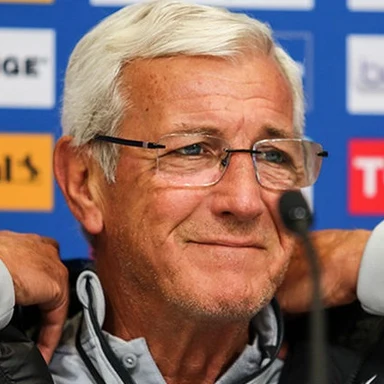
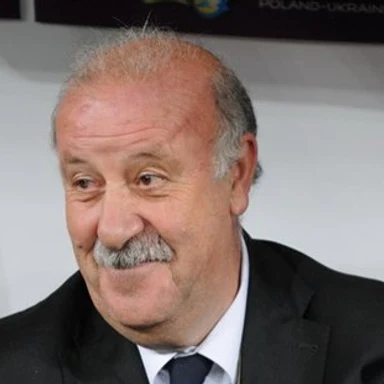
Marcello Lippi · Vicente del Bosque
Ronaldo Nazário— Overlapping Real Madrid era · Alessandro Del Piero— Overlapping Juventus era · Luís Figo— Overlapping Real Madrid era · Sergio Ramos— Overlapping Real Madrid era
Lippi’s two cycles — Juventus · Galácticos — Real Madrid
Midfield balance and dressing-room trust
2013—Present · Real Madrid
Cruzeiro · PSV · Barcelona
1993—2011
Padova · Juventus · Sydney FC
1991—2014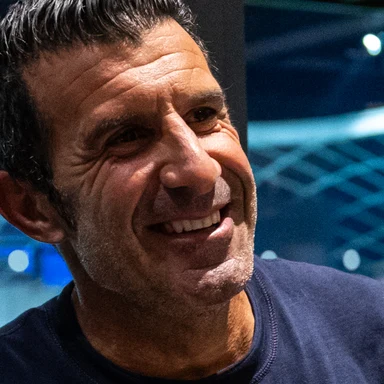 Photo: Žan Kolman. Source and license in Image credits.
Sporting CP · Barcelona · Real Madrid
1989—2009
AS Monaco · Juventus · Arsenal
1994—2014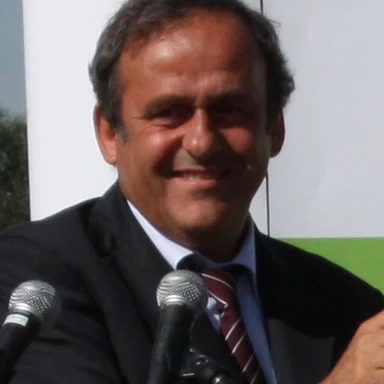 Photo: Klearchos Kapoutsis. Source and license in Image credits.
Nancy · Saint-Étienne · Juventus
1972—1987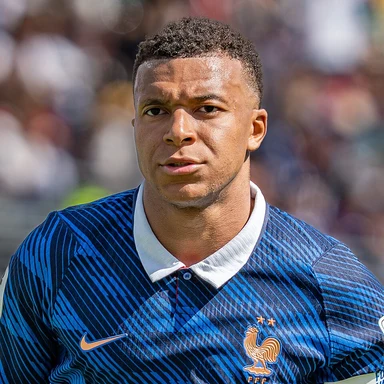 Photo: Bryan Berlin / WikiPortraits. Source and license in Image credits.
Monaco · Paris Saint-Germain · Real Madrid
2015—Present
Barcelona · Al Sadd
1998—2019
Manchester United · Preston North End · Waterford
1956—1976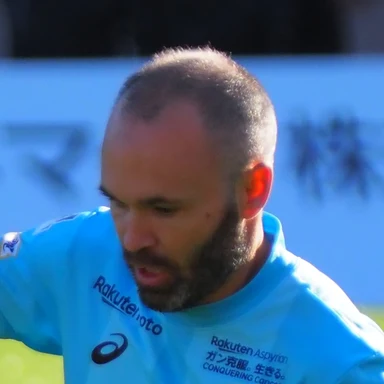 Photo: Tam Tam. Source and license in Image credits.
FC Barcelona · Vissel Kobe · Emirates Club
2002—2024Statistics are displayed only within the scope supported by each cited source.
UEFABordeaux’s route to the 1996 UEFA Cup finalJuventus F.C.Zidane in Juventus’s French contingentUEFAZidane’s Champions League playing careerUEFAZidane’s summer at EURO 2000UEFAReal Madrid v Leverkusen: the 2002 finalFIFAFrance v Brazil: Zidane’s 2006 quarter-finalFrench Football FederationItaly v France: the 2006 World Cup finalWikipedia (cited honours reference)zinedine zidane — selected senior honoursFrench Football FederationZinedine Zidane — France senior recordReal Madrid C.F.Zinedine Zidane — club legend