
 Photo: Unknown author. Source and license in Image credits.
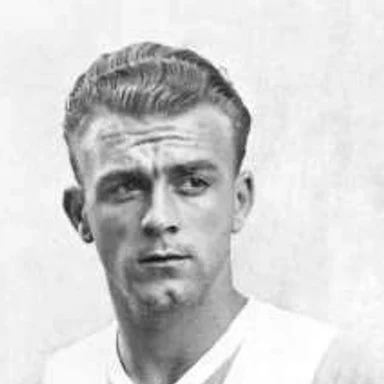
Alfredo Di Stéfano
1953–1964 · ForwardThe complete footballer at the centre of the five consecutive European Cups; the only winner of the Super Ballon d’Or.

Real Madrid Club de Fútbol
Founded on 6 March 1902, Real Madrid is the record fifteen-time European champion. Its identity joins the all-white shirt, the Santiago Bernabéu and an institutional expectation that decisive European nights are where the club defines itself.
Legends

Forward
The club’s record goalscorer and the attacking emblem of a side that won four European Cups during his nine seasons.
Photo: Unknown author. Source and license in Image credits.Forward
The complete footballer at the centre of the five consecutive European Cups; the only winner of the Super Ballon d’Or.

Forward
The homegrown captain who remains the club’s record appearance-maker.
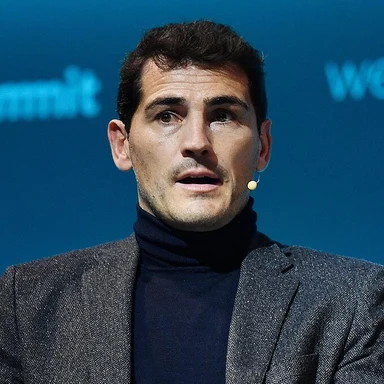 Photo: Web Summit. Source and license in Image credits.
Goalkeeper
Academy goalkeeper, captain and the decisive substitute in the 2002 European Cup final.
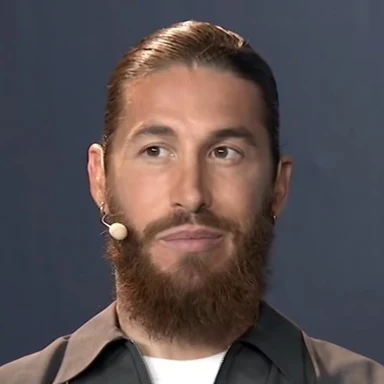 Photo: Real Madrid. Source and license in Image credits.
Defender
Captain of three consecutive European champions and scorer of the 93rd-minute goal that rescued La Décima.
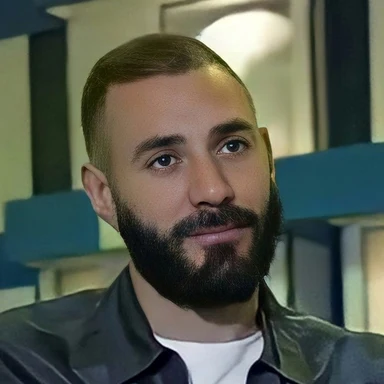 Photo: Real Madrid YouTube channel. Source and license in Image credits.
Forward
A connective forward who became the club’s second-highest scorer and the 2022 Ballon d’Or winner.
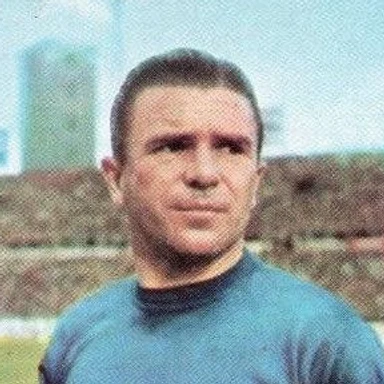 Photo: Panini. Source and license in Image credits.
Forward
Scored four goals in the 1960 European Cup final.
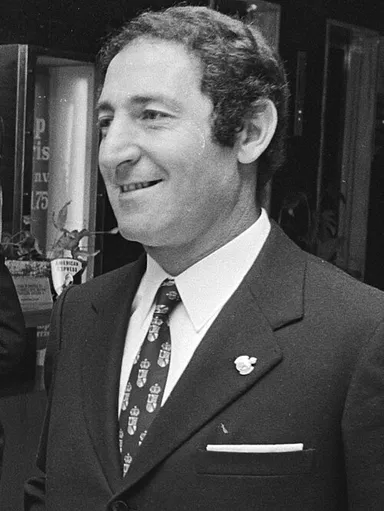 Photo: Fotograaf Onbekend / Anefo. Source and license in Image credits.
Winger
Connected the first five European Cups to the sixth in 1966.

Forward
The academy forward whose name defined the Quinta del Buitre.

Defender / Midfielder
A ball-playing defender in the 1998, 2000 and 2002 European champions.
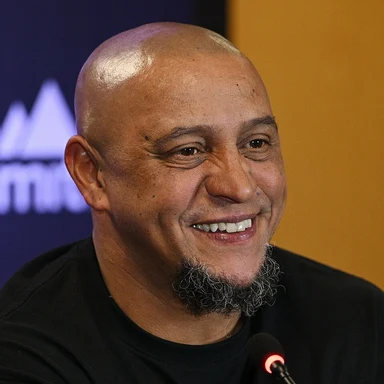 Photo: Web Summit. Source and license in Image credits.
Left back
Supplied attacking width from left back through three European Cup victories.
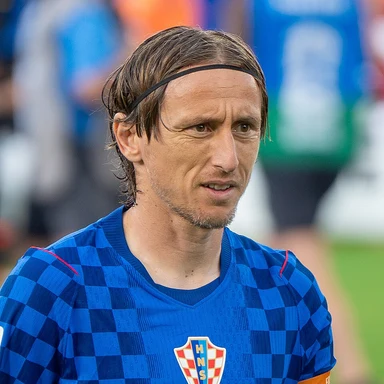 Photo: Bryan Berlin / WikiPortraits. Source and license in Image credits.
Midfielder
A midfield constant across six European Cups and 28 club trophies.
Photo: Unknown author. Source and license in Image credits.The complete footballer at the centre of the five consecutive European Cups; the only winner of the Super Ballon d’Or.
Photo: Panini. Source and license in Image credits.Scored four goals in the 1960 European Cup final.
Photo: Fotograaf Onbekend / Anefo. Source and license in Image credits.Connected the first five European Cups to the sixth in 1966.
The academy forward whose name defined the Quinta del Buitre.
The homegrown captain who remains the club’s record appearance-maker.
Photo: Web Summit. Source and license in Image credits.Academy goalkeeper, captain and the decisive substitute in the 2002 European Cup final.

An attacking midfielder in the Galácticos team whose volley decided the 2002 European Cup final.
A ball-playing defender in the 1998, 2000 and 2002 European champions.
Photo: Web Summit. Source and license in Image credits.Supplied attacking width from left back through three European Cup victories.
The club’s record goalscorer and the attacking emblem of a side that won four European Cups during his nine seasons.
Photo: Real Madrid. Source and license in Image credits.Captain of three consecutive European champions and scorer of the 93rd-minute goal that rescued La Décima.
Photo: Real Madrid YouTube channel. Source and license in Image credits.A connective forward who became the club’s second-highest scorer and the 2022 Ballon d’Or winner.
Photo: Bryan Berlin / WikiPortraits. Source and license in Image credits.A midfield constant across six European Cups and 28 club trophies.

Ronaldo linked explosive carrying with elite finishing. His Barcelona and Inter peak, 2002 World Cup return and more economical Madrid years reveal different versions of the same central threat.
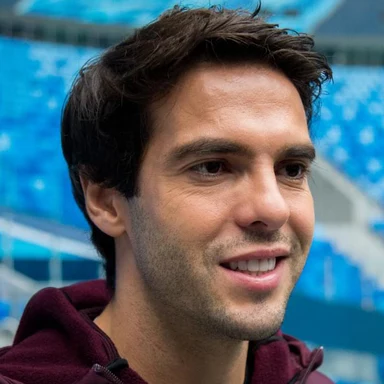 Photo: Евгений Асмолов. Source and license in Image credits.
A distinctive attacking midfielder whose 2007 European peak joined a scorer’s threat to the final pass.
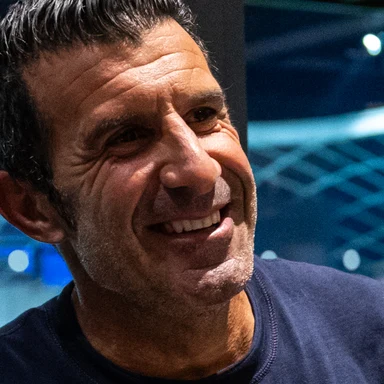 Photo: Žan Kolman. Source and license in Image credits.
A bridge between the touchline winger and the playmaker, with the patience to draw a defender and the technique to exploit the response.
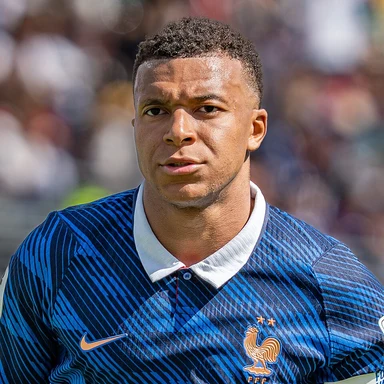 Photo: Bryan Berlin / WikiPortraits. Source and license in Image credits.
Mbappé’s early World Cup success placed a direct runner at the centre of France’s attack. He can force a defence to retreat before receiving the ball, creating space for teammates underneath.
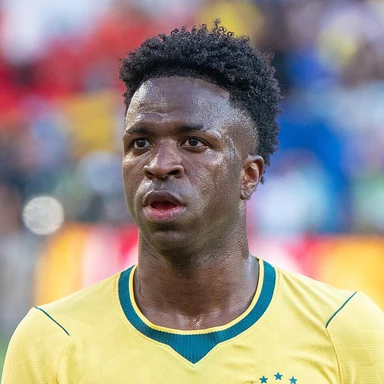 Photo: Bryan Berlin / WikiPortraits. Source and license in Image credits.
His Madrid development connects individual dribbling with shared movement: the winger can prepare the chance, draw the cover or arrive to finish it.
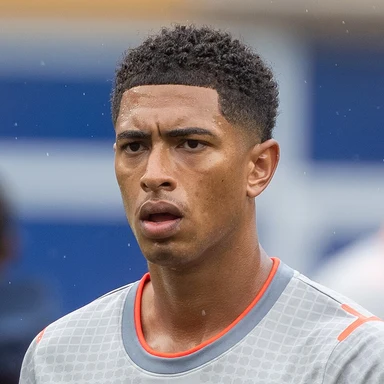 Photo: Bryan Berlin / WikiPortraits. Source and license in Image credits.
His first Madrid season showed how a midfielder could occupy the space vacated by a traditional centre-forward. The role remains distinct from his deeper development at Dortmund.
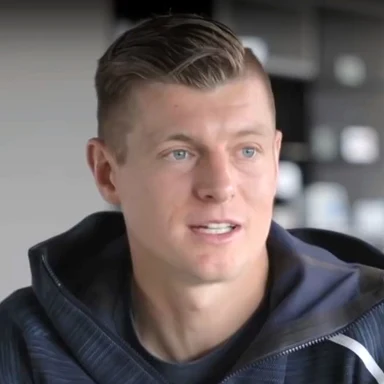 Photo: Real Madrid (YouTube channel). Source and license in Image credits.
Kroos could move the opposition without moving far himself. His partnership with Modrić gave Madrid distinct but complementary ways to control a match.

From Palmeiras’ title challenge to Madrid and a Lyon loan, Endrick’s active career explores how early scoring impact becomes sustained team contribution.

From Madrid’s academy to Inter’s wing-back role, Paris’s rotations and Morocco’s tournament teams.

Elite goal protection across different defensive systems, with the 2022 European final as a defining reference.
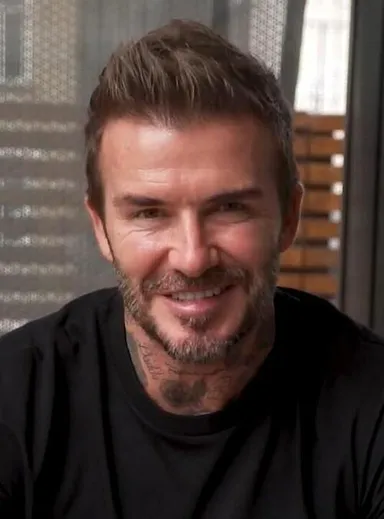 Photo: Soccer Aid for Unicef. Source and license in Image credits.
He could see the run early and make a distant passing angle useful to the teammate receiving the ball.
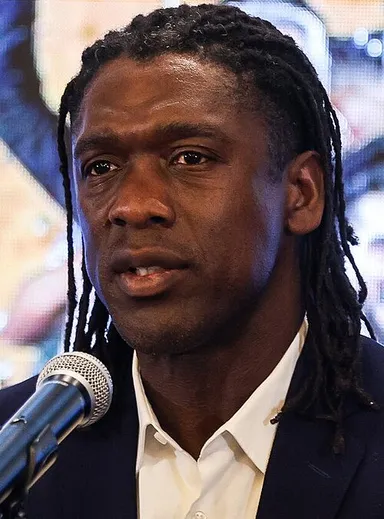 Photo: فاطمه عموزاد. Source and license in Image credits.
Four European titles across three clubs reflect a player who adapted his midfield work while keeping technical control and physical security at its centre.
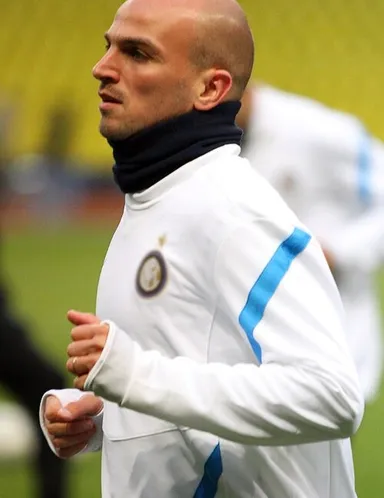 Photo: Майоров Владимир. Source and license in Image credits.
Cambiasso made collective organisation tangible: a passing angle, a protected lane and the judgment to join the attack at the right moment.
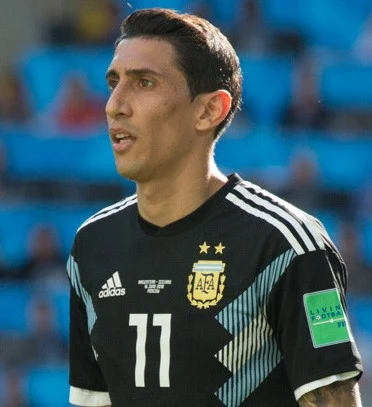 Photo: Екатерина Лаут. Source and license in Image credits.
His Madrid record closes at 190 official appearances and 36 goals; PSG’s post-farewell review records 295 matches, 92 goals and 111 assists. These club figures remain separate from his completed Argentina career of 145 appearances and 31 goals, and from the ongoing Rosario return.
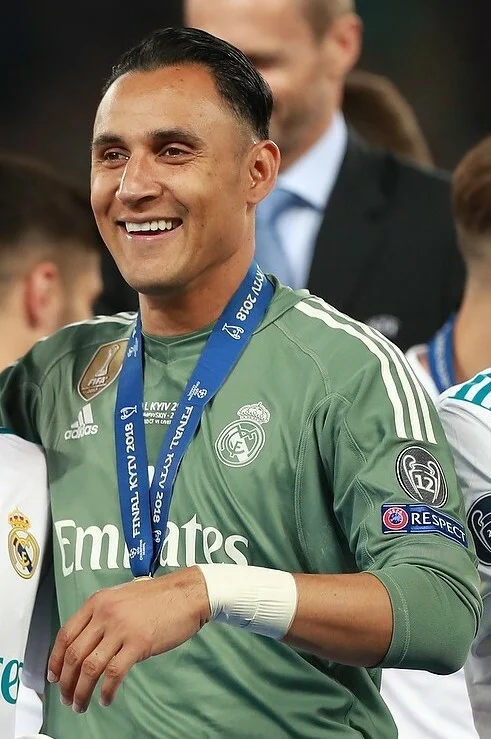 Photo: Антон Зайцев / soccer.ru. Source and license in Image credits.
Navas connects Costa Rica’s most successful World Cup run with Real Madrid’s three consecutive European titles. His legacy rests on decisive goalkeeping within different defensive systems, not on treating every trophy as proof of identical personal playing time.
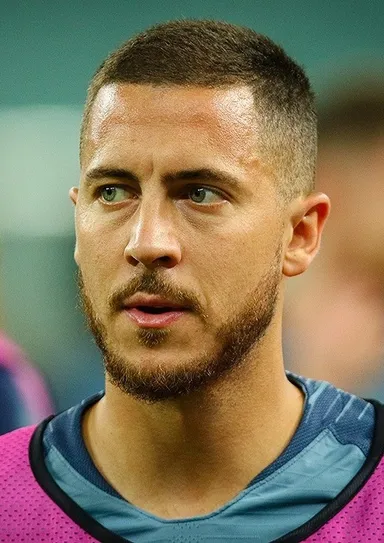 Photo: Amir Hosseini / Fars Media Corporation. Source and license in Image credits.
Hazard’s best football joined individual escape from pressure with a collective payoff. Chelsea’s two league titles and his 2018 World Cup underline that peak; his later Madrid honours record a different, more limited playing chapter. Reading those periods separately preserves both the force of his prime and the limits of his final club spell.
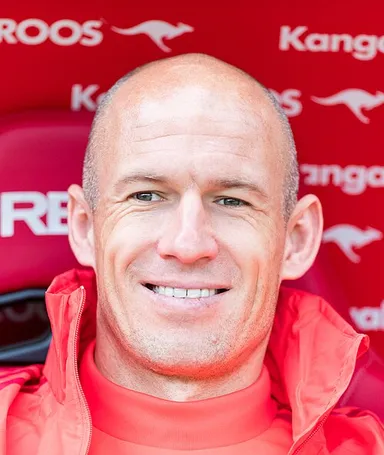 Photo: Sven Mandel. Source and license in Image credits.
Robben’s signature was recognisable without being easy to stop. He could change the speed of the duel, keep the ball close enough for another touch and make the defender protect both the outside lane and the shot inside. His partnership with Ribéry helped define a Bayern era, but injuries interrupted his availability. A balanced legacy celebrates the mechanism and its decisive moments without turning a difficult career into uninterrupted dominance.