6

La Liga
First · 1941–42
Latest · 2003–04View winning seasons
1941–42 · 1943–44 · 1946–47 · 1970–71 · 2001–02 · 2003–04
Valencia Club de Fútbol
Valencia CF grew from a city club into a Spanish champion and a European force. Mestalla, the electric forward line of the 1940s and the teams of Kempes, Mendieta and Benítez connect its distinct golden ages.
Overview
Historical assessment
Overall Historical Index
87/100Football Legends DB editorial assessment
Football Legends DB editorial / historical index. This is not an official FIFA or UEFA ranking, a live form table or a player rating.
Version 1.0: editors assess eight dimensions from 0–100 using the cited historical record. The overall score is their equally weighted arithmetic mean, rounded to the nearest whole number. Trophy totals are evidence, not points automatically added to a formula.
Assessment guide: 0–39 limited documented impact; 40–59 established national contribution; 60–79 sustained national or continental influence; 80–94 major international influence; 95–100 a historical benchmark across generations. These are editorial judgements, not measured percentiles. Missing evidence means no published index.
World titles and sustained success across eras inform the historical and international assessments. Scores may be revised when the evidence or editorial assessment changes.
Assessment notes · An editorial assessment of six Spanish league titles, eight Spanish Cups, several distinct European trophies and two Champions League finals. The scores describe historical standing; runner-up finishes do not count as trophies.
Current chapter
Season
2026–27Verified
As of 5 October 2026, Javier Aguirre leads Valencia in La Liga following his appointment on 23 September. Mestalla remains the home ground for 2026/27; the planned move to Nou Mestalla is a future project, not an accomplished relocation.
Honours
First · 1941–42
Latest · 2003–04First · 1941
Latest · 2019First · 1961–62
Latest · 1962–63First · 2003–04
Latest · 2003–04First · 1979–80
Latest · 1979–80First · 1980
Latest · 2004First · 1998
Latest · 1998First · 1999
Latest · 1999First · 1949
Latest · 1949History
The founding act was drawn up on 1 March 1919; registration followed on 18 March. The club’s official historical account distinguishes these steps rather than treating the first meeting and legal registration as the same event.
Mestalla opened on 20 May 1923 with a match against Levante. Its steep stands and proximity to the pitch made it a defining setting for Valencia’s major eras. It remains the first team’s home in 2026/27.
Epi, Amadeo, Mundo, Asensi and Gorostiza formed the attack behind Valencia’s breakthrough. The club won its first Spanish Cup in 1941 and league titles in 1942, 1944 and 1947, making the 1940s its first sustained period of national success.
Waldo’s goals helped Valencia win the Fairs Cup in 1962 and 1963. A Spanish Cup followed in 1967 under Mundo, now the coach. This generation established a European reputation before UEFA created the UEFA Cup in 1971.
The 1962 and 1963 Fairs Cups are listed separately from the 2004 UEFA Cup. Valencia also won the Cup Winners’ Cup, UEFA Super Cup and Intertoto Cup. The Champions League finals of 2000 and 2001 were runner-up finishes, not titles.
Kempes scored twice in the 1979 Spanish Cup final. Under Alfredo Di Stéfano, Valencia then beat Arsenal on penalties to win the 1980 Cup Winners’ Cup and added that year’s UEFA Super Cup.
Explore the defining match ↗Ranieri’s side won the 1999 Spanish Cup with Mendieta and Claudio López. Héctor Cúper then led Valencia to successive Champions League finals in 2000 and 2001, losing to Real Madrid and Bayern respectively.
Explore the defining match ↗Rafa Benítez won La Liga in 2002 and 2004. The second title came with the UEFA Cup, secured against Marseille in Gothenburg. Albelda and Baraja balanced midfield; Cañizares and Ayala anchored a side whose collective organisation matched its attacking quality.
Explore the defining match ↗Defining games
UEFA Cup Winners’ Cup
After a goalless final against Arsenal, Valencia won the shoot-out 5–4. Di Stéfano’s team lifted the Cup Winners’ Cup; the penalty score is separate from the match result.
UEFA Cup
Vicente’s penalty and Mista’s second-half goal secured a 2–0 win over Marseille. Benítez’s team added the UEFA Cup to its 2004 Spanish league title.
Copa del Rey
Gameiro and Rodrigo scored before half-time as Marcelino’s Valencia beat Barcelona 2–1. The victory delivered the club’s eighth Spanish Cup in its centenary year.
UEFA Super Cup
Valencia beat Porto 2–1 in Monaco after Ranieri returned as coach. The UEFA Super Cup was a separate triumph from the league and UEFA Cup double won under Benítez.
UEFA Champions League
Mendieta and Effenberg scored penalties during the match before Bayern won the shoot-out 5–4. Valencia’s second successive Champions League final ended with another runner-up finish.
Legends
Striker
The reference striker of the electric forward line and Valencia’s historical top scorer, later a cup-winning coach at the club.
Central midfielder
A midfielder from Sueca who spent his senior career at Valencia, linking the 1947 league champions with the club’s post-war cup successes.
Striker
The Brazilian scorer helped deliver two Fairs Cups and the 1967 Spanish Cup, winning that season’s league scoring award too.
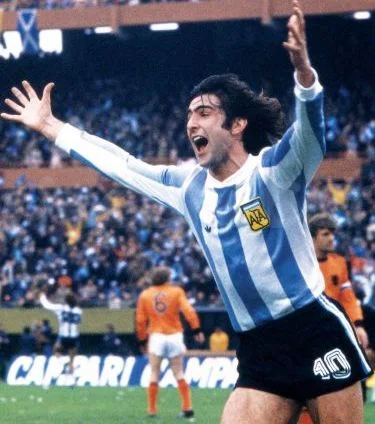 Photo: Unknown photographer / El Gráfico. Source and license in Image credits.
Forward
El Matador’s goals powered the 1979 cup win and the 1980 European trophies. His Valencia tenure included a return after a River Plate spell.
Centre-back
A long-serving defender who shared the 1980 European triumphs and stayed through relegation and the subsequent return to the top flight.
Attacking midfielder
A creative midfielder whose long first-team spell bridged the second-division recovery and Valencia’s renewed domestic ambitions in the 1990s.
Goalkeeper
The goalkeeper behind the 2002 and 2004 league titles and the UEFA Cup double, as well as both Champions League final appearances.
Defensive midfielder
A captain and defensive midfielder central to the champion sides. Two early Villarreal loans preceded his lasting place in Valencia’s first team from 1999.
Central midfielder
Baraja combined midfield control with runs into the box, forming the partnership with Albelda that defined Benítez’s title-winning team.
Central midfielder
A captain whose technique, work rate and 1999 cup-final goal made him a defining figure before the successive Champions League finals.
Centre-back
The Argentine defender gave authority to the back line during both Benítez league titles and the 2004 UEFA Cup triumph.
Forward
El Piojo’s pace made Valencia dangerous in transition. His two goals in the 1999 cup final crowned a brief but influential spell.
The reference striker of the electric forward line and Valencia’s historical top scorer, later a cup-winning coach at the club.
A midfielder from Sueca who spent his senior career at Valencia, linking the 1947 league champions with the club’s post-war cup successes.
The Brazilian scorer helped deliver two Fairs Cups and the 1967 Spanish Cup, winning that season’s league scoring award too.
Photo: Unknown photographer / El Gráfico. Source and license in Image credits.El Matador’s goals powered the 1979 cup win and the 1980 European trophies. His Valencia tenure included a return after a River Plate spell.
A long-serving defender who shared the 1980 European triumphs and stayed through relegation and the subsequent return to the top flight.
A creative midfielder whose long first-team spell bridged the second-division recovery and Valencia’s renewed domestic ambitions in the 1990s.
The goalkeeper behind the 2002 and 2004 league titles and the UEFA Cup double, as well as both Champions League final appearances.
A captain and defensive midfielder central to the champion sides. Two early Villarreal loans preceded his lasting place in Valencia’s first team from 1999.
Baraja combined midfield control with runs into the box, forming the partnership with Albelda that defined Benítez’s title-winning team.
A captain whose technique, work rate and 1999 cup-final goal made him a defining figure before the successive Champions League finals.
The Argentine defender gave authority to the back line during both Benítez league titles and the 2004 UEFA Cup triumph.
El Piojo’s pace made Valencia dangerous in transition. His two goals in the 1999 cup final crowned a brief but influential spell.
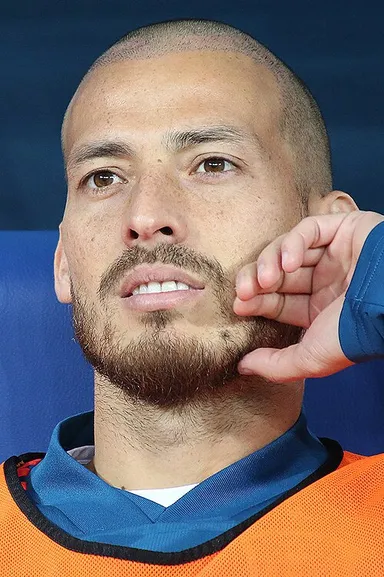 Photo: Кирилл Венедиктов. Source and license in Image credits.
Silva’s influence was not confined to the final pass. He gave team-mates a reliable receiver under pressure, drew defenders away from the next combination and helped keep attacks alive. Four English league titles and a statue outside the Etihad recognise a creator whose value lay as much in improving the collective as in his own scoring.
Coaching legacy
Club tenure only. Honours include senior first-team league, cup, super cup, continental and world titles where verified. European titles count European Cup / Champions League wins.
1970–1974 · 1979–1980 · 1986–1988
Kempes scored twice in the 1979 Spanish Cup final. Under Alfredo Di Stéfano, Valencia then beat Arsenal on penalties to win the 1980 Cup Winners’ Cup and added that year’s UEFA Super Cup.
Titles won during this club appointment; the European column counts European Cup / Champions League wins only.
1997–1999 · 2004–2005
Valencia beat Porto 2–1 in Monaco after Ranieri returned as coach. The UEFA Super Cup was a separate triumph from the league and UEFA Cup double won under Benítez.
Titles won during this club appointment; the European column counts European Cup / Champions League wins only.
1999–2001
Ranieri’s side won the 1999 Spanish Cup with Mendieta and Claudio López. Héctor Cúper then led Valencia to successive Champions League finals in 2000 and 2001, losing to Real Madrid and Bayern respectively.
Titles won during this club appointment; the European column counts European Cup / Champions League wins only.
2001–2004
Rafa Benítez won La Liga in 2002 and 2004. The second title came with the UEFA Cup, secured against Marseille in Gothenburg. Albelda and Baraja balanced midfield; Cañizares and Ayala anchored a side whose collective organisation matched its attacking quality.
Titles won during this club appointment; the European column counts European Cup / Champions League wins only.

2008–2012
Unai Emery led Valencia from 2008 to 2012, securing three consecutive third-place league finishes. His later Europa League titles were won with other clubs, not during this Valencia spell.
Titles won during this club appointment; the European column counts European Cup / Champions League wins only.
2017–2019
Gameiro and Rodrigo scored before half-time as Marcelino’s Valencia beat Barcelona 2–1. The victory delivered the club’s eighth Spanish Cup in its centenary year.
Titles won during this club appointment; the European column counts European Cup / Champions League wins only.
Club identity
Mestalla opened on 20 May 1923 with a match against Levante. Its steep stands and proximity to the pitch made it a defining setting for Valencia’s major eras. It remains the first team’s home in 2026/27.
Paterna, opened in 1992, provides the setting for Valencia’s academy. Its work links football development with the first team; David Albelda and David Silva illustrate different generations formed within the club.
The white shirt and black shorts express Valencia’s blanc i negre identity. This entry records the 2021/22 home design, whose bat motif referenced the club crest, rather than presenting it as the current kit.
The 1962 and 1963 Fairs Cups are listed separately from the 2004 UEFA Cup. Valencia also won the Cup Winners’ Cup, UEFA Super Cup and Intertoto Cup. The Champions League finals of 2000 and 2001 were runner-up finishes, not titles.
Rafa Benítez won La Liga in 2002 and 2004. The second title came with the UEFA Cup, secured against Marseille in Gothenburg. Albelda and Baraja balanced midfield; Cañizares and Ayala anchored a side whose collective organisation matched its attacking quality.
As of 5 October 2026, Javier Aguirre leads Valencia in La Liga following his appointment on 23 September. Mestalla remains the home ground for 2026/27; the planned move to Nou Mestalla is a future project, not an accomplished relocation.
Identity
Stadium
Current home / Valencia
Mestalla opened on 20 May 1923 with a match against Levante. Its steep stands and proximity to the pitch made it a defining setting for Valencia’s major eras. It remains the first team’s home in 2026/27.
Rivalries
Valencia and Levante contest the city’s derby. Their first top-flight meetings came in 1963/64, when Levante reached the division. It is a local rivalry between two distinct football institutions, not a claim that every season contains a league derby.
Development
Paterna, opened in 1992, provides the setting for Valencia’s academy. Its work links football development with the first team; David Albelda and David Silva illustrate different generations formed within the club.
Famous graduates
Collection
Kits
Home kit / 2021–22
Kit studies are abstract colour and pattern references, not reproductions of official shirts.
Records
Valencia’s 2023 historical account credits Mundo with 266 goals and identifies him as its record scorer. This archive follows that club-published figure; LALIGA’s separate historical-player article lists 265. Neither is a league-only total.
Rafa Benítez won La Liga in 2002 and 2004. The second title came with the UEFA Cup, secured against Marseille in Gothenburg. Albelda and Baraja balanced midfield; Cañizares and Ayala anchored a side whose collective organisation matched its attacking quality.
The 1962 and 1963 Fairs Cups are listed separately from the 2004 UEFA Cup. Valencia also won the Cup Winners’ Cup, UEFA Super Cup and Intertoto Cup. The Champions League finals of 2000 and 2001 were runner-up finishes, not titles.
Rafa Benítez won La Liga in 2002 and 2004. The second title came with the UEFA Cup, secured against Marseille in Gothenburg. Albelda and Baraja balanced midfield; Cañizares and Ayala anchored a side whose collective organisation matched its attacking quality.