League
First · 1934–35
Latest · 2025–26
Futebol Clube do Porto
Porto’s identity is rooted in northern Portugal and repeated competitive renewal. Domestic strength has supported several distinct European trophy-winning generations.
Overview
Historical assessment
Overall Historical Index
89/100Football Legends DB editorial assessment
Football Legends DB editorial / historical index. This is not an official FIFA or UEFA ranking, a live form table or a player rating.
Version 1.0: editors assess eight dimensions from 0–100 using the cited historical record. The overall score is their equally weighted arithmetic mean, rounded to the nearest whole number. Trophy totals are evidence, not points automatically added to a formula.
Assessment guide: 0–39 limited documented impact; 40–59 established national contribution; 60–79 sustained national or continental influence; 80–94 major international influence; 95–100 a historical benchmark across generations. These are editorial judgements, not measured percentiles. Missing evidence means no published index.
World titles and sustained success across eras inform the historical and international assessments. Scores may be revised when the evidence or editorial assessment changes.
Assessment notes · Two European Cups, two UEFA Cups and two intercontinental titles carry particular weight; coaching renewal and academy leadership add context to domestic continuity.
Current chapter
Season
2026–27Verified
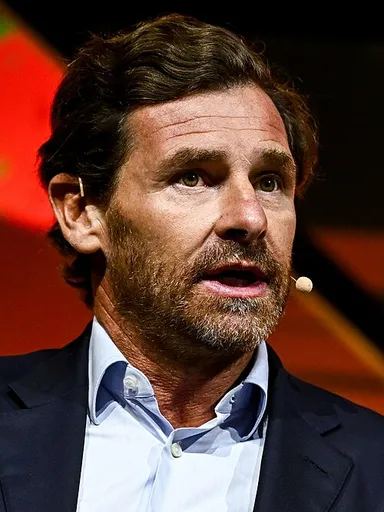
Farioli’s side won the 2025–26 league and the 2026 Super Cup. André Villas-Boas now leads the club as president; his 2010–11 coaching season belongs to a separate historical role.
Honours
First · 1934–35
Latest · 2025–26First · 1955–56
Latest · 2023–24First · 1921–22
Latest · 1936–37First · 2022–23
Latest · 2022–23First · 1981
Latest · 2026First · 1986–87
Latest · 2003–04First · 2002–03
Latest · 2010–11First · 1987
Latest · 1987First · 1987
Latest · 2004History
The club’s foundation predates its present stadium and academy buildings.
Virgílio’s generation won two leagues and two Portuguese Cups. The move to the Antas in 1952 gave the team a lasting home.
Tactical identity · Established defensive leadership
The 1978 league title ended nineteen years of waiting. Pedroto and Pinto da Costa’s working relationship helped reshape the club’s ambitions.
Tactical identity · More organised collective play and competitive belief
Artur Jorge won in Vienna; Tomislav Ivić’s team added the intercontinental title and the 1987-edition UEFA Super Cup, played in January 1988.
Tactical identity · Defensive structure with inventive forwards
Explore the defining match ↗Robson won the first two, António Oliveira the next two and Fernando Santos completed the fifth. Continuity survived changing coaches and players.
Tactical identity · Renewal around experienced defensive leaders
The UEFA Cup in Seville preceded the Champions League in Gelsenkirchen. A compact team could change its shape without losing its central relationships.
Tactical identity · Compact distances and a creative midfield connector
Explore the defining match ↗Jesualdo’s three consecutive leagues spanned changing forward lines, with Lucho providing midfield leadership before leaving for Marseille.
Tactical identity · Structured support for mobile forwards
Villas-Boas’s team won the league, Portuguese Cup and Europa League. Falcao’s finishing and Hulk’s power defined the attack.
Tactical identity · Wide power and penalty-area movement
Explore the defining match ↗Three league titles and eight domestic cups made this the club’s most trophy-laden coaching tenure. The 2019 youth champions supplied another development thread.
Tactical identity · Intensity, direct progress and flexible pairings
Defining games
European Cup final
Madjer’s backheel equaliser and Juary’s winner overturned Bayern’s lead, making Artur Jorge’s team European champions for the first time.
Intercontinental Cup
FC Porto 2–1 Peñarol
After extra time
National Stadium, Tokyo
Gomes scored before Madjer’s extra-time winner in snowy Tokyo. The intercontinental honour followed the Vienna European Cup and has its own trophy category.
UEFA Cup final
FC Porto 3–2 Celtic
After extra time
Estadio Olímpico, Seville
Derlei’s second goal decided extra time after Celtic twice equalised. Mourinho’s first European trophy preceded the following season’s Champions League.
Champions League final
FC Porto 3–0 Monaco
Arena AufSchalke, Gelsenkirchen
Carlos Alberto, Deco and Alenichev scored to complete consecutive UEFA Cup and Champions League-winning seasons.
Europa League final
FC Porto 1–0 Braga
Dublin Arena, Dublin
Falcao headed in Guarín’s cross to settle an all-Portuguese final. His seventeenth goal capped a record European campaign under Villas-Boas.
Legends
Defender
The long-serving right-back and captain later passed the club’s traditions to young players, including Baía and Carvalho.
Forward
The club’s record scorer won two European Golden Shoes and helped connect the end of the league drought to the first European championship.
Photo: Panini. Source and license in Image credits.Defender
The academy-trained right-back captained the 1987 European champions and set the club’s appearance record.
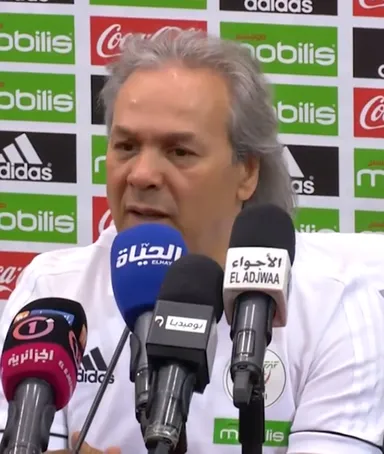
Photo: Algeria Press Service. Source and license in Image credits.Forward
His improvisation decided the 1987 European and intercontinental finals, making technique as memorable as physical strength.
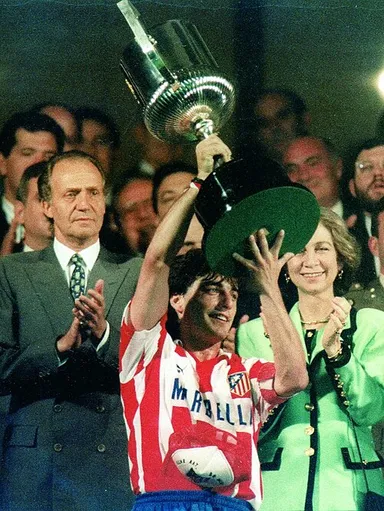
Photo: DIARIO AS. Source and license in Image credits.Winger
A direct dribbler whose acceleration gave the first European champions a way to break opposing defensive lines.
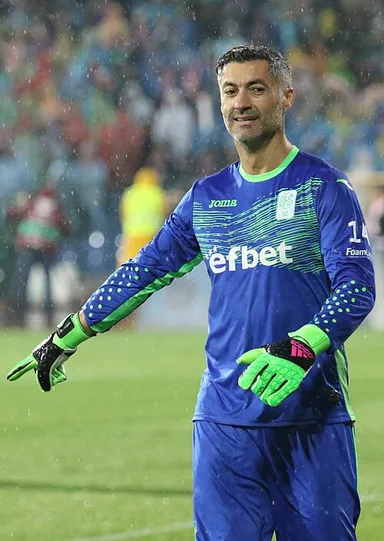
Photo: Biser Todorov. Source and license in Image credits.Goalkeeper
The goalkeeper returned from Barcelona and anchored the teams that won the UEFA Cup and Champions League in successive seasons.
Defender
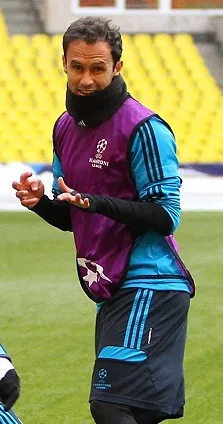
The academy graduate captained Mourinho’s European winners; his leadership is remembered alongside his later work for the club.
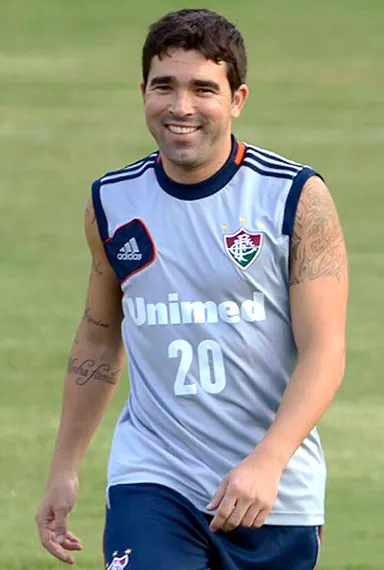
Photo: Fotos Flu. Source and license in Image credits.Midfielder
The creative midfielder connected ball recovery to attack and scored in the 2004 European final.
Photo: Майоров Владимир. Source and license in Image credits.Defender
Anticipation and controlled defending helped him become a central figure of the 2004 European champions after earlier loans.
Photo: Ludovic Péron. Source and license in Image credits.Midfielder
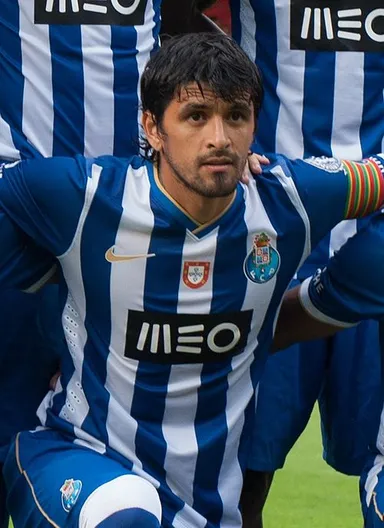
The midfield captain combined timing, distribution and goals across two spells, returning in January 2012.
Photo: Вячеслав Евдокимов. Source and license in Image credits.Forward
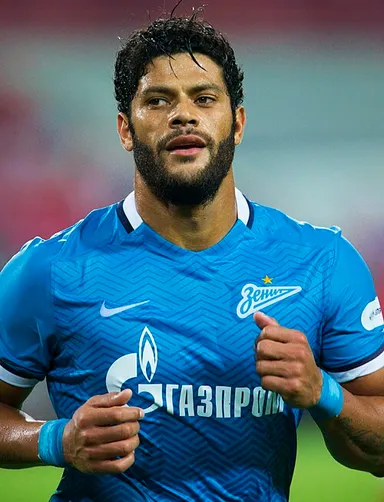
A powerful forward whose carries from wide positions and shooting complemented Falcao’s movement in the 2011 team.
Photo: Futbolero. Source and license in Image credits.Forward
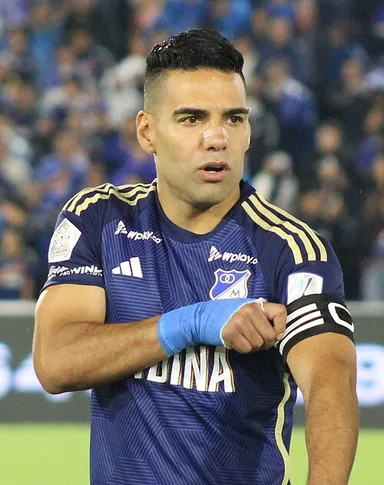
The penalty-area finisher scored seventeen times in the 2010–11 Europa League, including the winning header in Dublin.
The long-serving right-back and captain later passed the club’s traditions to young players, including Baía and Carvalho.
The club’s record scorer won two European Golden Shoes and helped connect the end of the league drought to the first European championship.
The academy-trained right-back captained the 1987 European champions and set the club’s appearance record.
His improvisation decided the 1987 European and intercontinental finals, making technique as memorable as physical strength.
A direct dribbler whose acceleration gave the first European champions a way to break opposing defensive lines.
The goalkeeper returned from Barcelona and anchored the teams that won the UEFA Cup and Champions League in successive seasons.
The academy graduate captained Mourinho’s European winners; his leadership is remembered alongside his later work for the club.
The creative midfielder connected ball recovery to attack and scored in the 2004 European final.
Anticipation and controlled defending helped him become a central figure of the 2004 European champions after earlier loans.
The midfield captain combined timing, distribution and goals across two spells, returning in January 2012.
A powerful forward whose carries from wide positions and shooting complemented Falcao’s movement in the 2011 team.
The penalty-area finisher scored seventeen times in the 2010–11 Europa League, including the winning header in Dublin.
Elite goal protection across Madrid’s changing teams and Spain’s three consecutive major titles.
A developing reference for the mobile midfield controller: influence grows through the next useful connection as much as through the final pass.
Coaching legacy
Club tenure only. Honours include senior first-team league, cup, super cup, continental and world titles where verified. European titles count European Cup / Champions League wins.
1966–1969 · 1976–1980 · 1982–1984
Changed the club’s competitive expectations and ended the long championship drought in 1978.
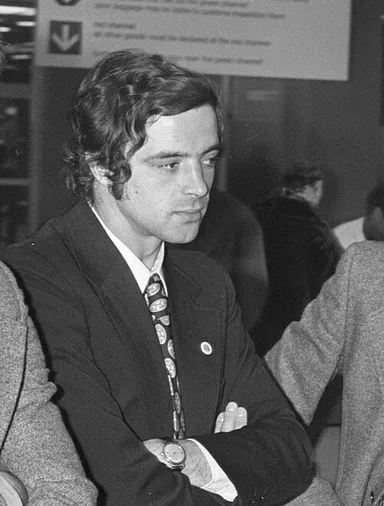
Photo: W. Punt for Anefo. Source and license in Image credits.1984–1987 · 1988–1991
Turned the domestic champions into European winners in Vienna, returning for another league title.
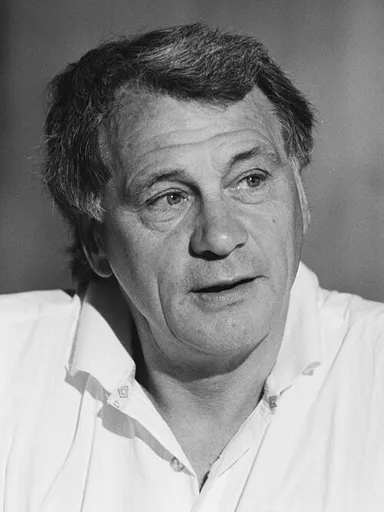
Photo: Rob Bogaerts for Anefo. Source and license in Image credits.1994–1996
The first two titles of Porto’s five-in-a-row run came under Robson, before Oliveira and Fernando Santos continued it.

2002–2004
Won the UEFA Cup in 2003 and Champions League in 2004. The European Cup column counts only the latter.
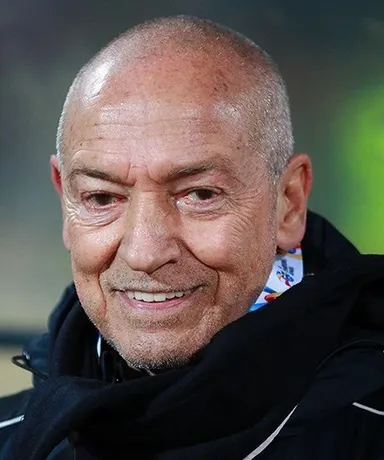
Photo: Mohammad Hassanzadeh. Source and license in Image credits.2006–2010
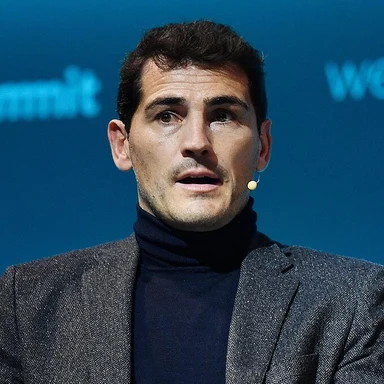
Three consecutive leagues sustained domestic success while the attacking personnel changed.
Photo: Web Summit. Source and license in Image credits.2010–2011
An unbeaten league campaign, Portuguese Cup and Europa League formed a treble; the Europa League is not counted as a European Cup.
Photo: Agência Lusa. Source and license in Image credits.2017–2024
His completed seven-season tenure set club coaching records for matches and wins, with eleven trophies.
Club identity
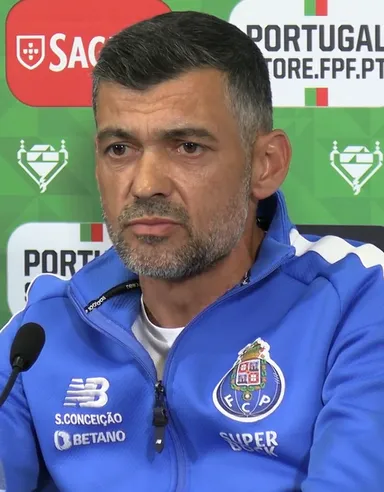
Pedroto, Artur Jorge, Mourinho and Conceição used different systems. Organised collective work and the ability to adapt recur more consistently than one formation.
The transformation associated with Pedroto and Pinto da Costa changed expectations. The 2024 presidency transition gives that long institutional period a clear endpoint.
Madjer, Deco, Lucho and Falcao arrived by different routes, became central players and illustrate the repeated rebuilding of competitive teams.
Pinto, Costa and Baía show the importance of locally developed leaders. The 2019 youth title connects that history to Diogo Costa’s generation.
Blue and white, the dragon crest and memories of the Antas connect the city’s older football home to the Dragão.
Vienna, Seville, Gelsenkirchen and Dublin represent distinct winning teams. The two world titles and UEFA Super Cup are recorded separately from the four major European cups.
Identity
Stadium
Current home / Porto
Opened against Barcelona on 16 November 2003. The transition overlapped with the final Antas season; the old ground remained in use into 2004.
Former home / Porto
Home to the drought-ending champions, the 1987 European generation and the five-title run before the move to the Dragão.
Rivalries
A national rivalry between Lisbon and Porto, shaped by repeated championship races and cup finals.
Benfica’s European breakthrough came in the 1960s; Porto’s domestic transformation and later European titles shifted the competitive balance. Their cup meetings include Benfica’s 1931 victory in the old knockout championship.
Development
Youth teams, the B team and senior football form different stages of development. Training sites support that pathway without defining the start of the club’s youth history.
Historical role
João Pinto, Baía, Jorge Costa and Carvalho belong to the older tradition. The 2019 UEFA Youth League winners included Diogo Costa and João Mário, who later reached the first team.
Famous graduates
Collection
Kits
Home kit / 1986–87
Home kit / 2003–04
Home kit / 2010–11
Commercial
TECHNICAL SUPPLIER
Kit studies are abstract colour and pattern references, not reproductions of official shirts.
Records
Uses Porto’s published memorial and documentary total of 355; alternative statistical catalogues use different competition coverage.
As of 2026-09-15