1

La Liga
First · 1945–46
Latest · 1945–46View winning seasons
1945–46
Sevilla Fútbol Club
Sevilla FC joins an old Andalusian football tradition to an exceptional UEFA Cup and Europa League record. Nervión, academy graduates and successive European-winning teams give the club a history that extends well beyond a single golden generation.
Overview
Historical assessment
Overall Historical Index
83/100Football Legends DB editorial assessment
Football Legends DB editorial / historical index. This is not an official FIFA or UEFA ranking, a live form table or a player rating.
Version 1.0: editors assess eight dimensions from 0–100 using the cited historical record. The overall score is their equally weighted arithmetic mean, rounded to the nearest whole number. Trophy totals are evidence, not points automatically added to a formula.
Assessment guide: 0–39 limited documented impact; 40–59 established national contribution; 60–79 sustained national or continental influence; 80–94 major international influence; 95–100 a historical benchmark across generations. These are editorial judgements, not measured percentiles. Missing evidence means no published index.
World titles and sustained success across eras inform the historical and international assessments. Scores may be revised when the evidence or editorial assessment changes.
Assessment notes · Editorial assessment centred on seven UEFA Cup or Europa League titles, one league championship and a strong recruitment and academy tradition. The European score reflects that competition’s record, while the domestic score recognises less sustained league dominance.
Current chapter
Season
2026–27Verified
As of 5 October 2026, Luis García Plaza leads Sevilla’s first team in La Liga. This is a rebuilding chapter: the archive records the appointment and competition, without treating past European success as a forecast for the current season.
Honours
First · 1945–46
Latest · 1945–46First · 1935
Latest · 2010First · 2005–06
Latest · 2022–23First · 2006
Latest · 2006First · 2007
Latest · 2007History
Sevilla dates its foundation to 25 January 1890, following its historical research and formal recognition by the club. The 1905 registration belongs to the institutional chronology and should not be mistaken for the currently recognised foundation date.
Ramón Encinas’s side secured the 1945/46 league title with a draw at Barcelona. Juan Arza and Juan Araujo belong to an attacking generation that also sits within Sevilla’s early cup tradition.
Opened in 1958 in Nervión, the Ramón Sánchez-Pizjuán bears the name of the president who promoted its construction. Its steep stands and familiar setting connect European nights to the everyday life of the neighbourhood.
The 2006 and 2007 UEFA Cups and the 2006 UEFA Super Cup made European success repeatable. Dani Alves’ forward runs and the Kanouté–Luis Fabiano partnership gave the team width and complementary attacking roles.
Explore the defining match ↗Unai Emery won the Europa League in 2014, 2015 and 2016. Changes in personnel did not prevent his teams from finding new attacking partnerships and adapting their pressing to each opponent.
Explore the defining match ↗Julen Lopetegui’s team beat Inter 3–2 in the 2020 Europa League final. Luuk de Jong’s two headers and the decisive own goal following Diego Carlos’ overhead kick settled a final played without spectators in Cologne.
Explore the defining match ↗José Luis Mendilibar took over during a difficult 2022/23 season and led Sevilla to another Europa League title. The final against Roma ended 1–1 after extra time before Sevilla won the shoot-out 4–1.
Explore the defining match ↗Defining games
UEFA Cup
Sevilla FC 4–0 Middlesbrough
Philips Stadion
Sevilla beat Middlesbrough 4–0 in Eindhoven to win the 2006 UEFA Cup. The margin describes the final, not every match of the campaign; this was the club’s first title in the competition.
UEFA Cup
Sevilla FC 2–2 Espanyol
Won 3–1 on penalties
Hampden Park
The 2007 final against Espanyol ended 2–2 after extra time. Palop’s saves helped Sevilla win the shoot-out 3–1 and retain the UEFA Cup. Penalty kicks are shown separately from the match score.
UEFA Europa League
Trailing Liverpool at half-time, Sevilla scored three times after the interval, with a double from Coke. The 3–1 victory in Basel completed Emery’s third successive Europa League title.
UEFA Europa League
Julen Lopetegui’s team beat Inter 3–2 in the 2020 Europa League final. Luuk de Jong’s two headers and the decisive own goal following Diego Carlos’ overhead kick settled a final played without spectators in Cologne.
UEFA Europa League
José Luis Mendilibar took over during a difficult 2022/23 season and led Sevilla to another Europa League title. The final against Roma ended 1–1 after extra time before Sevilla won the shoot-out 4–1.
Legends
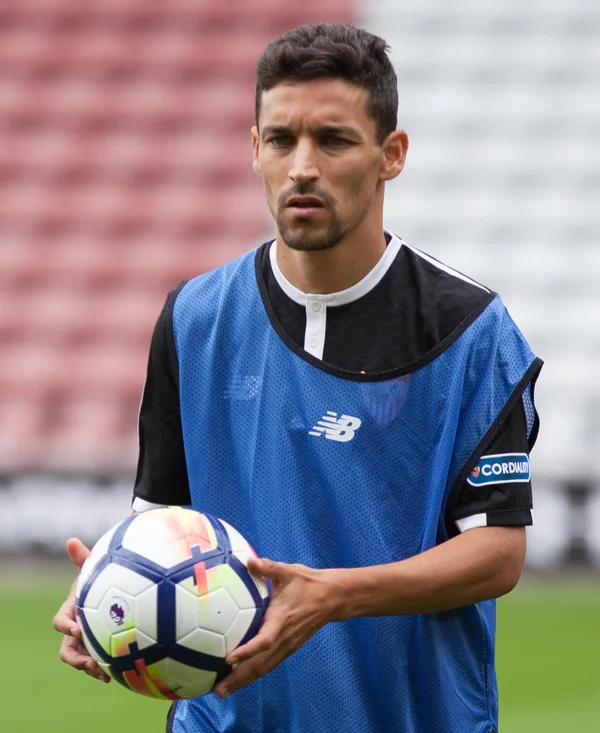 Photo: Steve Hogg / Solent Creatives. Source and license in Image credits.
Right winger
An academy graduate whose two spells span Sevilla’s European-winning generations.
Forward
The attacking reference of the 1946 champions and a later league top scorer.
Striker
His linking play and finishing complemented Luis Fabiano in the breakthrough attack.
Goalkeeper
The goalkeeper whose penalty saves marked the successful 2007 UEFA Cup final.
Centre-back
A central defender in the squad that established Sevilla’s European title tradition.
Central midfielder
The midfielder who contributed balance and scored in the 2006 UEFA Super Cup.
Striker
A penalty-area striker who helped give the first European-winning team its edge.
Centre-back
A defining defender of Sevilla’s mid-century history, distinct from forward Campanal I.
Right midfielder
A long-serving wide midfielder who linked Sevilla’s 1980s and 1990s teams.
Left-back
The academy-grown left-back who later returned to lead Sevilla as head coach.
Left-back
The academy graduate whose memory remains inseparable from the club and its supporters.
Right winger
The Gambian winger whose place in Sevilla’s culture outlasted his playing spell.
The attacking reference of the 1946 champions and a later league top scorer.
A defining defender of Sevilla’s mid-century history, distinct from forward Campanal I.
A long-serving wide midfielder who linked Sevilla’s 1980s and 1990s teams.
The academy-grown left-back who later returned to lead Sevilla as head coach.
The Gambian winger whose place in Sevilla’s culture outlasted his playing spell.
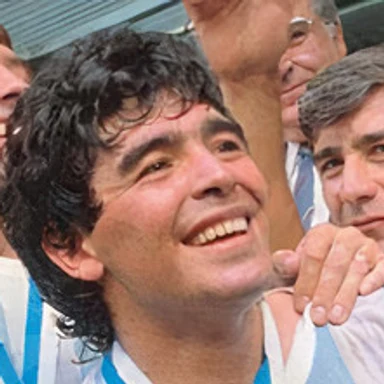 Photo: Unknown author. Source and license in Image credits.
The Argentine playmaker spent the 1992–1993 season at Sevilla after leaving Napoli.
Photo: Steve Hogg / Solent Creatives. Source and license in Image credits.An academy graduate whose two spells span Sevilla’s European-winning generations.
His linking play and finishing complemented Luis Fabiano in the breakthrough attack.
The goalkeeper whose penalty saves marked the successful 2007 UEFA Cup final.
A central defender in the squad that established Sevilla’s European title tradition.
The midfielder who contributed balance and scored in the 2006 UEFA Super Cup.
A penalty-area striker who helped give the first European-winning team its edge.
The academy graduate whose memory remains inseparable from the club and its supporters.
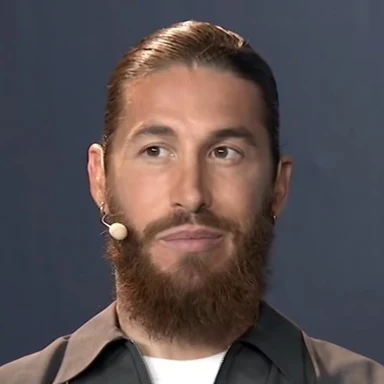 Photo: Real Madrid. Source and license in Image credits.
A Sevilla academy graduate with two first-team spells: 2004–2005 and 2023–2024.
Coaching legacy
Club tenure only. Honours include senior first-team league, cup, super cup, continental and world titles where verified. European titles count European Cup / Champions League wins.
1945–1947
Ramón Encinas’s side secured the 1945/46 league title with a draw at Barcelona. Juan Arza and Juan Araujo belong to an attacking generation that also sits within Sevilla’s early cup tradition.
Selected historical coaching spells; current appointments appear in the dated current chapter.
2005–2007
The 2006 and 2007 UEFA Cups and the 2006 UEFA Super Cup made European success repeatable. Dani Alves’ forward runs and the Kanouté–Luis Fabiano partnership gave the team width and complementary attacking roles.
Selected historical coaching spells; current appointments appear in the dated current chapter.

2013–2016
Unai Emery won the Europa League in 2014, 2015 and 2016. Changes in personnel did not prevent his teams from finding new attacking partnerships and adapting their pressing to each opponent.
Selected historical coaching spells; current appointments appear in the dated current chapter.
2019–2022
Julen Lopetegui’s team beat Inter 3–2 in the 2020 Europa League final. Luuk de Jong’s two headers and the decisive own goal following Diego Carlos’ overhead kick settled a final played without spectators in Cologne.
Selected historical coaching spells; current appointments appear in the dated current chapter.
2023
José Luis Mendilibar took over during a difficult 2022/23 season and led Sevilla to another Europa League title. The final against Roma ended 1–1 after extra time before Sevilla won the shoot-out 4–1.
Selected historical coaching spells; current appointments appear in the dated current chapter.
Club identity
Opened in 1958 in Nervión, the Ramón Sánchez-Pizjuán bears the name of the president who promoted its construction. Its steep stands and familiar setting connect European nights to the everyday life of the neighbourhood.
Sevilla’s successful European teams were not built from one permanent squad. Identifying complementary roles, replacing departing players and reconnecting the attack became recurring football problems across the winning cycles.
The José Ramón Cisneros Palacios training complex connects the academy to the first team. Jesús Navas, Sergio Ramos and José Antonio Reyes illustrate different graduate pathways: staying, returning or taking their development into other leagues.
Sevilla’s European legacy rests on repeated renewal rather than permanent domestic dominance. Juande Ramos, Unai Emery, Julen Lopetegui and José Luis Mendilibar won the same continental competition with different squads and methods. Seven UEFA Cup or Europa League titles are a distinct achievement; they are not seven European Cups or Champions Leagues.
Alves’ overlapping runs and Navas’ width gave different Sevilla teams an outlet on the right. Their roles should not be conflated: the full-back’s support and the winger’s stretching of the defence created different passing relationships.
As of 5 October 2026, Luis García Plaza leads Sevilla’s first team in La Liga. This is a rebuilding chapter: the archive records the appointment and competition, without treating past European success as a forecast for the current season.
Identity
Stadium
Current home / Seville
Opened in 1958 in Nervión, the Ramón Sánchez-Pizjuán bears the name of the president who promoted its construction. Its steep stands and familiar setting connect European nights to the everyday life of the neighbourhood.
Rivalries
Sevilla and Real Betis share a city but sustain distinct club traditions. The derby’s emotional importance extends beyond league positions; the archive focuses on the football and does not turn rivalry into a social stereotype.
Development
The José Ramón Cisneros Palacios training complex connects the academy to the first team. Jesús Navas, Sergio Ramos and José Antonio Reyes illustrate different graduate pathways: staying, returning or taking their development into other leagues.
Famous graduates
Collection
Kits
Home kit / 2005–06
Kit studies are abstract colour and pattern references, not reproductions of official shirts.
Records
Official Sevilla first-team appearances across the completed 2003–2013 and 2017–2024 spells; Manchester City appearances are excluded.
Ramón Encinas’s side secured the 1945/46 league title with a draw at Barcelona. Juan Arza and Juan Araujo belong to an attacking generation that also sits within Sevilla’s early cup tradition.
Sevilla’s European legacy rests on repeated renewal rather than permanent domestic dominance. Juande Ramos, Unai Emery, Julen Lopetegui and José Luis Mendilibar won the same continental competition with different squads and methods. Seven UEFA Cup or Europa League titles are a distinct achievement; they are not seven European Cups or Champions Leagues.
Unai Emery won the Europa League in 2014, 2015 and 2016. Changes in personnel did not prevent his teams from finding new attacking partnerships and adapting their pressing to each opponent.