4
English First Division
First · 1904–05
Latest · 1926–27View winning seasons
1904–05 · 1906–07 · 1908–09 · 1926–27

Newcastle United Football Club
Black and white on the Tyne: a city-centre football home, Edwardian champions, Wembley cup kings and generations who made ambition part of Newcastle’s identity.
Overview
Historical assessment
Overall Historical Index
79/100Football Legends DB editorial assessment
Football Legends DB editorial / historical index. This is not an official FIFA or UEFA ranking, a live form table or a player rating.
Version 1.0: editors assess eight dimensions from 0–100 using the cited historical record. The overall score is their equally weighted arithmetic mean, rounded to the nearest whole number. Trophy totals are evidence, not points automatically added to a formula.
Assessment guide: 0–39 limited documented impact; 40–59 established national contribution; 60–79 sustained national or continental influence; 80–94 major international influence; 95–100 a historical benchmark across generations. These are editorial judgements, not measured percentiles. Missing evidence means no published index.
World titles and sustained success across eras inform the historical and international assessments. Scores may be revised when the evidence or editorial assessment changes.
Assessment notes · An editorial assessment of early domestic success, the Fairs Cup, the Entertainers and the club’s regional influence. Long gaps between trophies and spells in the second tier limit the dominance and continuity scores.
Current chapter
Season
2026–27Verified
Jaissle was appointed in August 2026 after Howe stepped down in July. A substantial summer squad rebuild starts a new chapter; Howe’s 2025 cup winners are documented as a distinct historical team.
Honours
First · 1904–05
Latest · 1926–27First · 1909–10
Latest · 1954–55First · 2024–25
Latest · 2024–25First · 1968–69
Latest · 1968–69First · 2006
Latest · 2006First · 1909
Latest · 1909First · 1964–65
Latest · 2016–17History
The club traces its roots to 1881, adopted the United name in 1892 and changed to black and white stripes in 1894.
Tactical identity · A city-wide identity takes shape
Three league titles and the first FA Cup established Newcastle among the leading sides of the early twentieth century.
Tactical identity · Collective passing and an intelligent defensive line
The 1924 and 1932 FA Cups framed the 1927 league title, before relegation brought a different challenge.
Tactical identity · A prolific centre-forward at the heart of the attack
Milburn and the post-war team won at Wembley in 1951, 1952 and 1955, creating a lasting cup tradition.
Tactical identity · Pace, wing service and decisive finishing
Explore the defining match ↗The 1965 second-tier champions became Fairs Cup winners four years later, with Moncur captaining the European run.
Tactical identity · A resilient collective with leadership throughout
Explore the defining match ↗Macdonald’s goals, Keegan’s arrival and the emergence of Gascoigne marked successive phases of an uneven period.
Tactical identity · Direct striking power and creative young players
Keegan’s promotion winners became title challengers. Beardsley’s creativity and Shearer’s later arrival gave the era its attacking landmarks.
Tactical identity · Width, movement and an appetite for goals
Explore the defining match ↗Robson brought Newcastle back into the Champions League, where the 2002 group-stage comeback became a defining memory.
Tactical identity · Experienced leadership and fast attacking support
Explore the defining match ↗Championship titles in 2010 and 2017 restored top-flight status. In 2006, Newcastle were one of eleven Intertoto co-winners and earned the overall award by progressing furthest in the following UEFA Cup.
Tactical identity · Rebuilding organisation through changing teams
Howe’s 2025 League Cup win ended the long major domestic trophy wait. His 2026 departure and Jaissle’s arrival opened the next chapter.
Tactical identity · Intensity, coordinated pressure and renewal
Explore the defining match ↗Defining games
FA Cup final
Milburn, Mitchell and Hannah scored as Newcastle completed the great post-war cup sequence. City played much of the match with ten men after an injury, in an era without substitutes.
Inter-Cities Fairs Cup final · second leg
Won 6–2 on aggregate
Megyeri úti Stadion, Budapest
Two goals down at half-time, Newcastle scored three after the break to finish the final as 6–2 aggregate winners. Moncur scored in both legs.
Premier League
Five scorers and Albert’s delicate final chip made this the defining home performance of Keegan’s attacking side. The result was a league match, not a title decider.
UEFA Champions League · first group stage
De Kuip, Rotterdam
Bellamy’s late winner completed a recovery from losing the first three group games. Robson’s side advanced to the competition’s then-existing second group stage.
League Cup final
Burn and Isak supplied the goals as Howe’s side won Newcastle’s first League Cup and ended the wait for a major domestic trophy dating to 1955.
Legends
Goalkeeper
The long-serving goalkeeper of the Edwardian champions and the club’s Hall of Fame appearance-record holder.
Defender
A central figure in the defensive intelligence of the early championship sides.
Forward
The prolific centre-forward who captained the 1927 league champions.
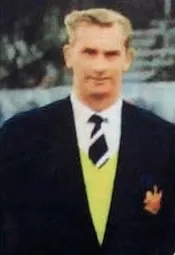 Photo: Nigel Green. Source and license in Image credits.
Forward
Wor Jackie was the attacking emblem of three FA Cup triumphs in the 1950s.
Midfielder
Captained the 1951 and 1952 cup winners before a separate career as the club’s European-winning manager.
Defender
The captain whose goals and defensive leadership helped secure the 1969 Fairs Cup.
Forward
Supermac’s direct running and finishing made him the attacking reference of the early 1970s.
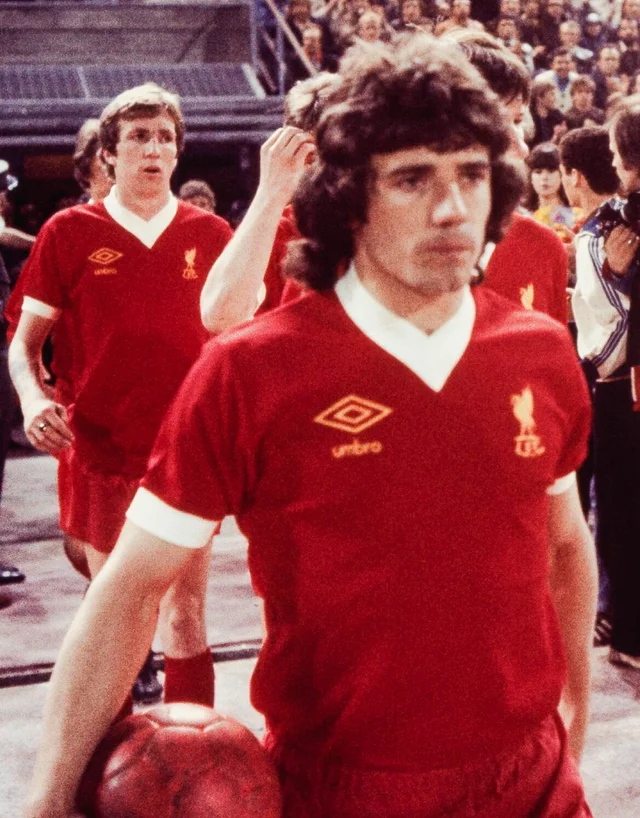 Photo: ETH-Bibliothek Zürich, Bildarchiv / Comet Photo AG (Zürich) / Com_LC1432-000-012. Source and license in Image credits.
Forward
The established international who arrived in the second tier and helped lead the 1984 promotion.
 Photo: James English. Source and license in Image credits.
Midfielder
A locally developed midfielder whose invention emerged in Newcastle’s first team before his move to Tottenham.
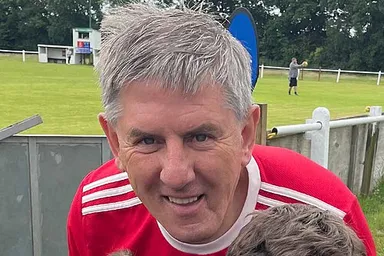 Photo: Skippo10. Source and license in Image credits.
Forward
A subtle creator who connected the 1984 promotion side with the Entertainers through two separate spells.
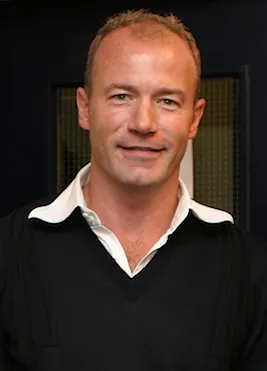 Photo: Originally carltonreid; retouched by DFS454. Source and license in Image credits.
Forward
The local-born number nine whose 206 Newcastle goals became the club’s scoring benchmark.
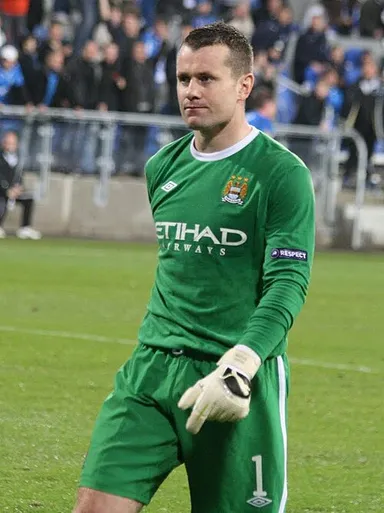 Photo: Roger Gorączniak. Source and license in Image credits.
Goalkeeper
The enduring goalkeeper across cup finals, Robson’s European seasons and the years that followed.
The long-serving goalkeeper of the Edwardian champions and the club’s Hall of Fame appearance-record holder.
A central figure in the defensive intelligence of the early championship sides.
The prolific centre-forward who captained the 1927 league champions.
Photo: Nigel Green. Source and license in Image credits.Wor Jackie was the attacking emblem of three FA Cup triumphs in the 1950s.
Captained the 1951 and 1952 cup winners before a separate career as the club’s European-winning manager.
The captain whose goals and defensive leadership helped secure the 1969 Fairs Cup.
Supermac’s direct running and finishing made him the attacking reference of the early 1970s.
Photo: ETH-Bibliothek Zürich, Bildarchiv / Comet Photo AG (Zürich) / Com_LC1432-000-012. Source and license in Image credits.The established international who arrived in the second tier and helped lead the 1984 promotion.
Photo: James English. Source and license in Image credits.A locally developed midfielder whose invention emerged in Newcastle’s first team before his move to Tottenham.
Photo: Skippo10. Source and license in Image credits.A subtle creator who connected the 1984 promotion side with the Entertainers through two separate spells.
Photo: Originally carltonreid; retouched by DFS454. Source and license in Image credits.The local-born number nine whose 206 Newcastle goals became the club’s scoring benchmark.
Photo: Roger Gorączniak. Source and license in Image credits.The enduring goalkeeper across cup finals, Robson’s European seasons and the years that followed.
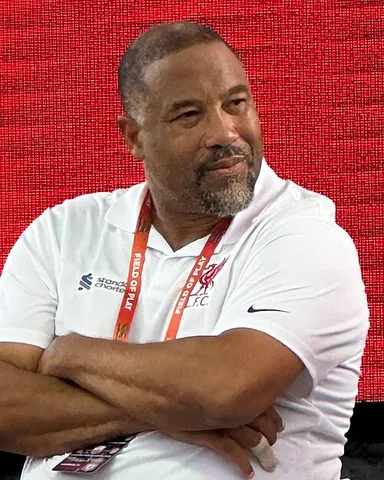 Photo: Pangalau. Source and license in Image credits.
Barnes’s legacy connects two versions of Liverpool: the expansive left-sided attack of Dalglish’s champions and the central combinations of Evans’s teams. He also challenged racist hostility while becoming one of the English game’s outstanding players. His later coaching work is separate from the playing career that ended at Charlton in 1999.
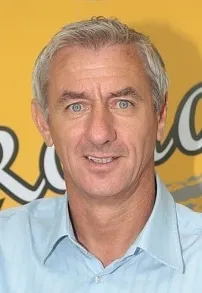 Photo: AceKindred. Source and license in Image credits.
Rush’s legacy lies in the connection between scoring and collective work. The record total, his understanding with Dalglish and five goals across Liverpool’s winning FA Cup finals of 1986, 1989 and 1992 make him more than a prolific name in a table. He also carried the Welsh scoring record beyond his club career, before Gareth Bale surpassed it in 2018.
Coaching legacy
Club tenure only. Honours include senior first-team league, cup, super cup, continental and world titles where verified. European titles count European Cup / Champions League wins.
1895–1930
As club secretary, assembled the sides behind four league championships while a directors’ committee retained team selection.
Secretary under a selection committee; not a modern head-coach appointment
1939–1947 · 1950–1954 · 1956–1958
A former player and influential director whose second managerial spell brought the 1951 and 1952 FA Cups.
The 1955 FA Cup came during Doug Livingstone’s managerial tenure
1962–1975
Rebuilt the side, won the 1965 second-tier title and led the 1969 Fairs Cup winners.
Fairs Cup winner; neither a European Cup title nor a top-flight league title
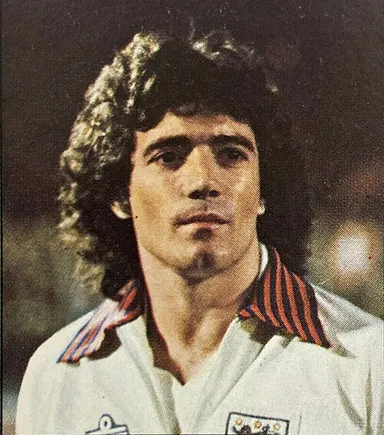 Photo: Unknown authorUnknown author. Source and license in Image credits.
1992–1997 · 2008
Took Newcastle from the second tier to a Premier League title challenge with the Entertainers, then returned briefly in 2008.
The 1993 championship was in the second tier
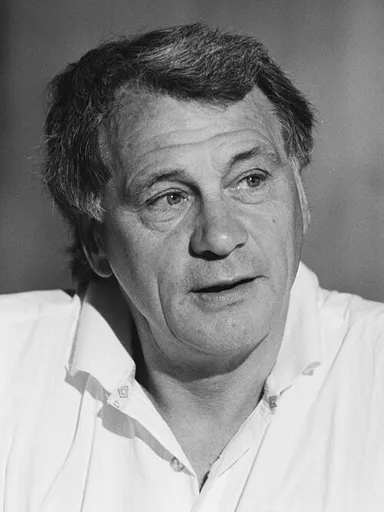 Photo: Rob Bogaerts for Anefo. Source and license in Image credits.
1999–2004
Restored European football and guided the remarkable 2002 Champions League group-stage recovery.
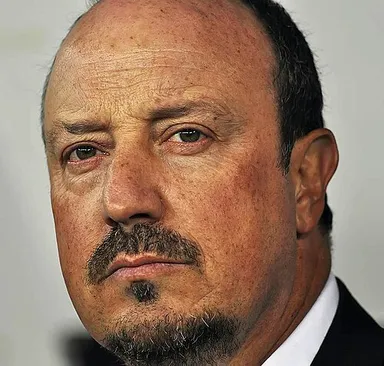 Photo: Дмитрий Журавель. Source and license in Image credits.
2016–2019
Stayed after relegation and restored Premier League status by winning the 2017 Championship.
Second-tier champion in 2017; no Newcastle top-flight title
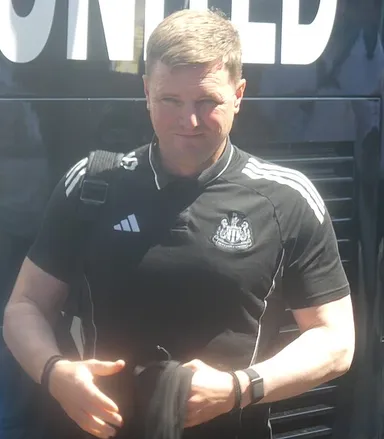 Photo: Timmy96. Source and license in Image credits.
2021–2026
Led Newcastle to the 2025 League Cup, the club’s first win in that competition, before stepping down in July 2026.
Club identity
Newcastle’s attacking reputation spans different systems: the early passing sides, Keegan’s Entertainers and Howe’s pressing team.
The youth pathway combines local opportunity with structured football and personal development at Little Benton.
St. James’ Park rises close to the city centre, making the ground part of Newcastle’s everyday geography as well as its matchdays.
The Toon Army carries the black and white identity between the home ground and away ends across generations.
The Fairs Cup and later Champions League campaigns placed a regional football institution on the European stage.
The club’s history includes long trophy waits and second-tier seasons. The 2025 cup matters partly because it followed those difficult chapters.
Identity
Stadium
Current home / Newcastle upon Tyne
Football was played here before Newcastle United took its name. East End moved in during 1892; later generations expanded the ground while retaining its city-centre setting and the Gallowgate connection.
Rivalries
Newcastle United and Sunderland contest a regional rivalry rooted in neighbouring cities on the Tyne and Wear.
Local identity and generations of shared fixtures give the meeting meaning beyond a single league position.
Development
Combine individual football development with education and the skills needed for life beyond the pitch.
Historical role
Gascoigne and Moncur represent earlier routes from youth football into the senior side. Today’s Little Benton programme continues that pathway, with Lewis Miley progressing from the age of seven to Premier League and Champions League football. Shearer and Beardsley were signed from other clubs, not produced by Newcastle’s academy.
Famous graduates
Collection
Kits
Home kit / 1954–55
Home kit / 1995–96
Home kit / 2024–25
Commercial
TECHNICAL SUPPLIER
TECHNICAL SUPPLIER
Kit studies are abstract colour and pattern references, not reproductions of official shirts.
Records
The club Hall of Fame publishes 507; UEFA’s 2012 club profile lists 496. These historical ledgers differ, so the selected source is explicit and the totals are not combined.
As of 2026-09-15A separate historical tournament; not the European Cup / Champions League.
As of 2026-09-15