
Argentina
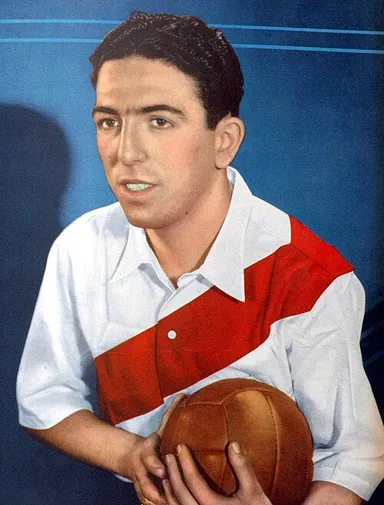 Photo: Unknown authorUnknown author. Source and license in Image credits.
Forward
Ángel Labruna
1939 — 1959The club’s record scorer and an enduring link between La Máquina and the championship teams he later coached.

Club Atlético River Plate
The red sash of Buenos Aires: a school of attacking football, four Libertadores triumphs and a century of Argentine championship history.
Legends
Photo: Unknown authorUnknown author. Source and license in Image credits.Forward
The club’s record scorer and an enduring link between La Máquina and the championship teams he later coached.
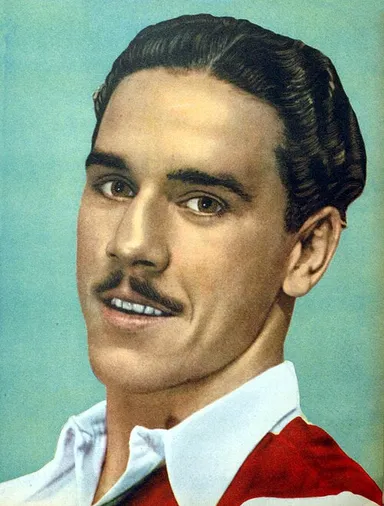 Photo: Unknown authorUnknown author. Source and license in Image credits.
Forward
A mobile, inventive inside-forward whose combinations gave La Máquina much of its attacking freedom.
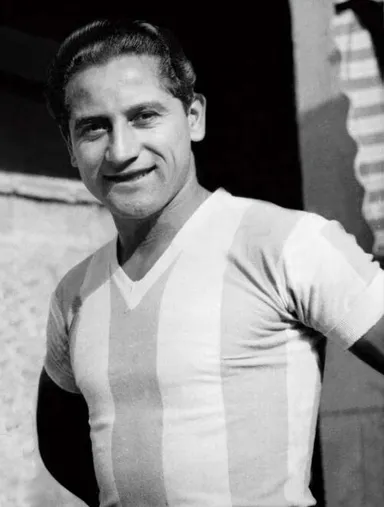 Photo: Unknown authorUnknown author. Source and license in Image credits.
Forward
The roaming centre-forward at the heart of La Máquina: a creator who made space and connected the attack.
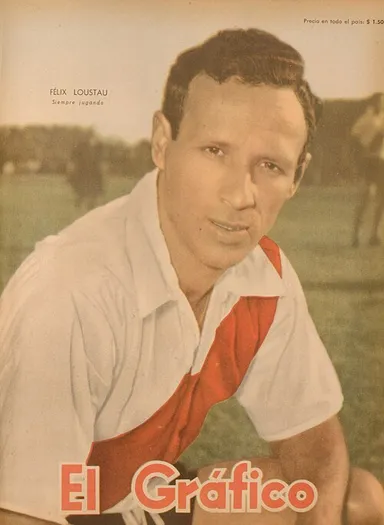 Photo: El Gráfico. Source and license in Image credits.
Winger
The left-wing reference whose pace and willingness to work supported the famous five-man attack and later title-winning sides.
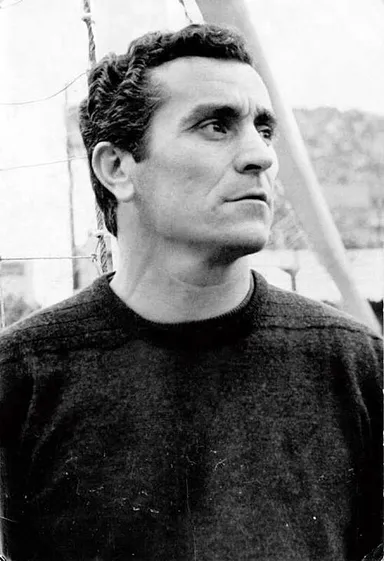 Photo: Unknown authorUnknown author. Source and license in Image credits.
Goalkeeper
A pioneering goalkeeper whose long River career spanned the great 1950s sides and the first Libertadores final.
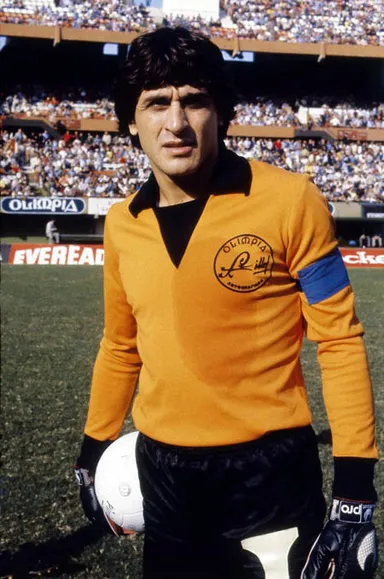 Photo: Unknown authorUnknown author. Source and license in Image credits.
Goalkeeper
The goalkeeper behind the return to domestic success, remembered for exceptional reactions and authority in his area.
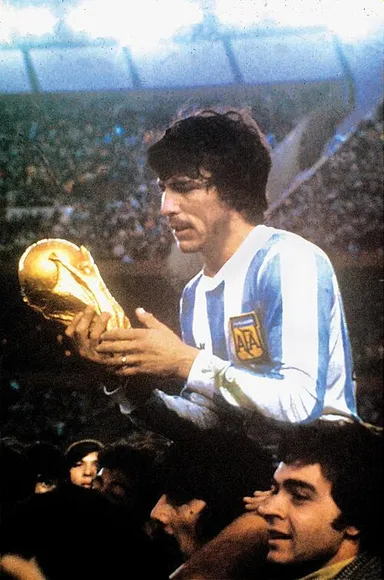 Photo: Unknown authorUnknown author. Source and license in Image credits.
Defender
A commanding, goalscoring defender who linked defensive organisation with aggressive attacking contributions.
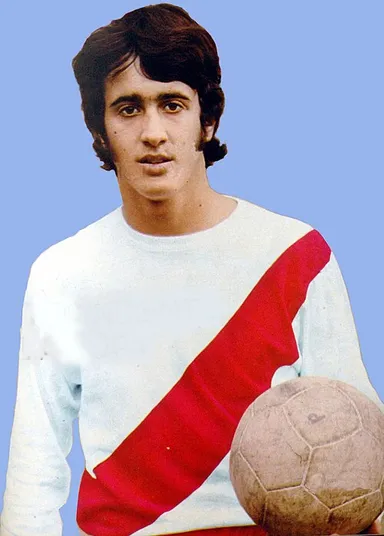 Photo: Unknown authorUnknown author. Source and license in Image credits.
Midfielder
The creative number ten whose three spells culminated in the 1986 continental and world triumphs.
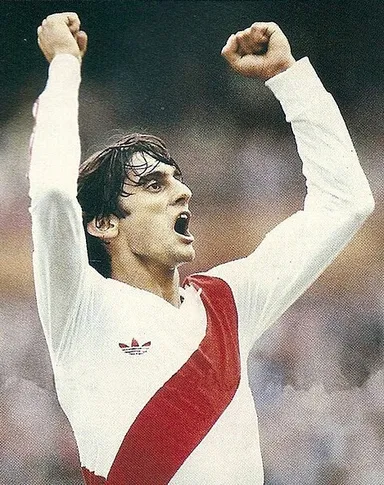 Photo: Unknown authorUnknown author. Source and license in Image credits.
Forward
The elegant Uruguayan returned to captain the 1996 Libertadores winners and inspire the next generation of creators.
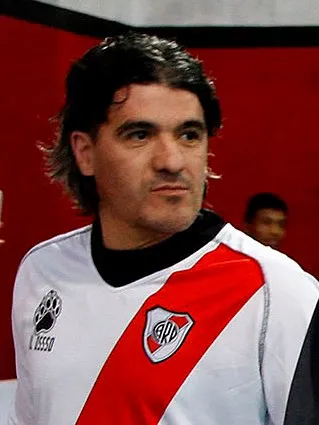 Photo: Gobierno de la Ciudad de Buenos Aires from Ciudad Autónoma de Buenos Aires, Argentina. Source and license in Image credits.
Midfielder
An academy product whose dribbling and improvisation became a defining part of River’s attacking imagination.
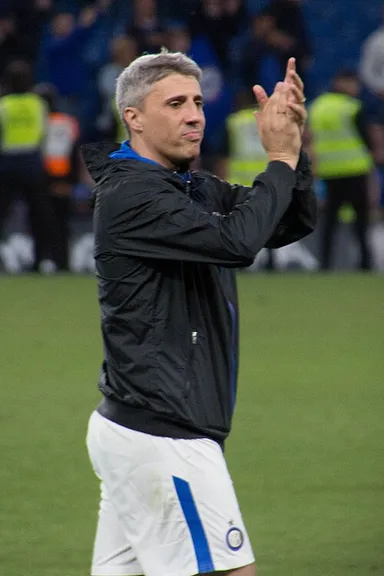 Photo: @cfcunofficial (Chelsea Debs) London from London, UK. Source and license in Image credits.
Forward
The young centre-forward whose two goals settled the 1996 Libertadores final before his move to Italy.
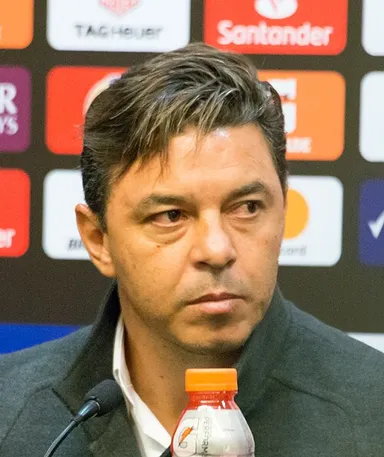 Photo: Carlos Figueroa Rojas. Source and license in Image credits.
Midfielder
A technically gifted playmaker and 1996 continental champion before becoming the defining coach of River’s modern revival.
Photo: Unknown authorUnknown author. Source and license in Image credits.The club’s record scorer and an enduring link between La Máquina and the championship teams he later coached.
Photo: Unknown authorUnknown author. Source and license in Image credits.A mobile, inventive inside-forward whose combinations gave La Máquina much of its attacking freedom.
Photo: Unknown authorUnknown author. Source and license in Image credits.The roaming centre-forward at the heart of La Máquina: a creator who made space and connected the attack.
Photo: El Gráfico. Source and license in Image credits.The left-wing reference whose pace and willingness to work supported the famous five-man attack and later title-winning sides.
Photo: Unknown authorUnknown author. Source and license in Image credits.A pioneering goalkeeper whose long River career spanned the great 1950s sides and the first Libertadores final.
Photo: Unknown authorUnknown author. Source and license in Image credits.The goalkeeper behind the return to domestic success, remembered for exceptional reactions and authority in his area.
Photo: Unknown authorUnknown author. Source and license in Image credits.A commanding, goalscoring defender who linked defensive organisation with aggressive attacking contributions.
Photo: Unknown authorUnknown author. Source and license in Image credits.The creative number ten whose three spells culminated in the 1986 continental and world triumphs.
Photo: Unknown authorUnknown author. Source and license in Image credits.The elegant Uruguayan returned to captain the 1996 Libertadores winners and inspire the next generation of creators.
Photo: Gobierno de la Ciudad de Buenos Aires from Ciudad Autónoma de Buenos Aires, Argentina. Source and license in Image credits.An academy product whose dribbling and improvisation became a defining part of River’s attacking imagination.
Photo: @cfcunofficial (Chelsea Debs) London from London, UK. Source and license in Image credits.The young centre-forward whose two goals settled the 1996 Libertadores final before his move to Italy.
Photo: Carlos Figueroa Rojas. Source and license in Image credits.A technically gifted playmaker and 1996 continental champion before becoming the defining coach of River’s modern revival.
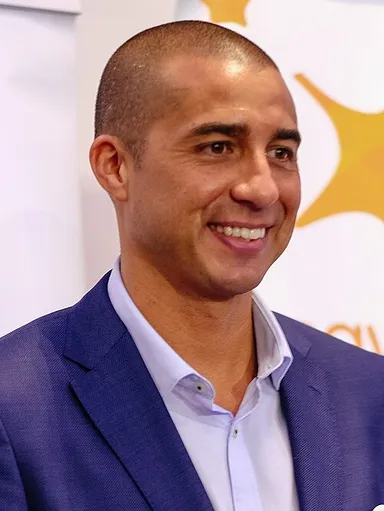 Photo: Save the Dream from Doha, Qatar. Source and license in Image credits.
His craft shows how a forward can shape an attack through the movement before the pass and the quality of the first contact.
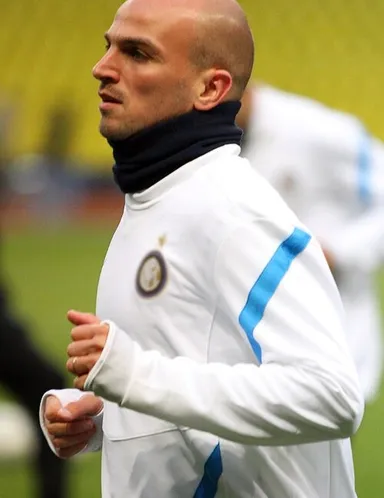 Photo: Майоров Владимир. Source and license in Image credits.
Cambiasso made collective organisation tangible: a passing angle, a protected lane and the judgment to join the attack at the right moment.
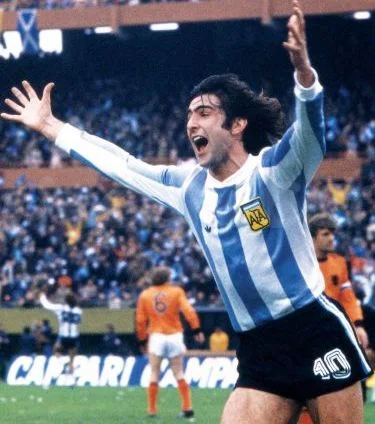 Photo: Unknown photographer / El Gráfico. Source and license in Image credits.
His greatest performances came from moving between the midfield and the penalty area, rather than waiting permanently beside the centre-backs. Valencia and Argentina both benefited from that freedom to attack space.