
Italy
Forward
Attila Sallustro
Napoli: 1926–1937; earlier Internaples service precedes this registerA Paraguayan-born forward and early club symbol, connecting the Internaples roots to the Napoli identity adopted in 1926.

Società Sportiva Calcio Napoli S.p.A.
Naples’s sky-blue club connects early local heroes, Maradona’s champions and recovery from bankruptcy to new title-winning generations.
Legends
Forward
A Paraguayan-born forward and early club symbol, connecting the Internaples roots to the Napoli identity adopted in 1926.
Forward
A powerful attacking reference in the 1950s who later returned as coach with a different collective football vision.
Midfielder
The local midfield captain supplied technical continuity through the competitive teams of the 1960s and 1970s.
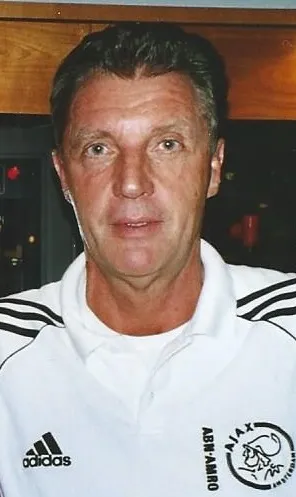 Photo: Christophe95. Source and license in Image credits.
Defender
The Dutch libero brought anticipation and passing quality to a team challenging near the top before Maradona’s arrival.
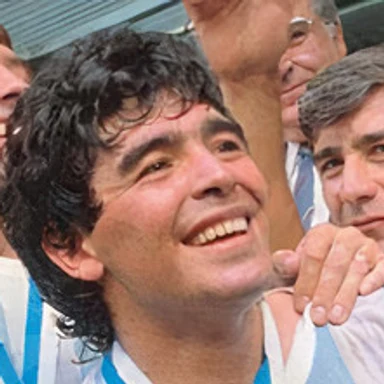 Photo: Unknown author. Source and license in Image credits.
Forward
The creative centre of the first two league champions and 1989 UEFA Cup winners, with an enduring relationship to the city.
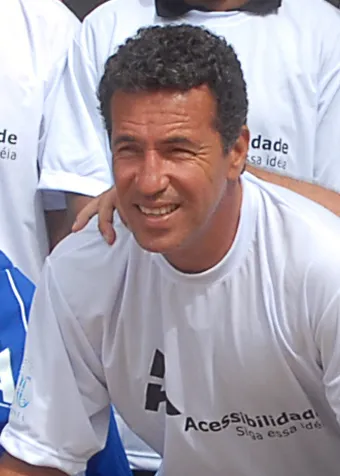 Photo: Valter Campanato/ABr. Source and license in Image credits.
Forward
His speed, movement and finishing complemented Maradona in the UEFA Cup winners and second championship team.
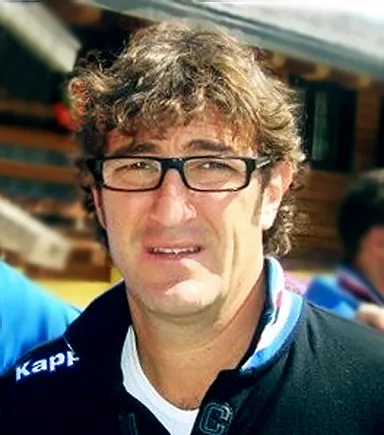 Photo: Palombo90. Source and license in Image credits.
Defender
A locally developed defender who became a mainstay of the championship generation and scored in the 1989 European final.
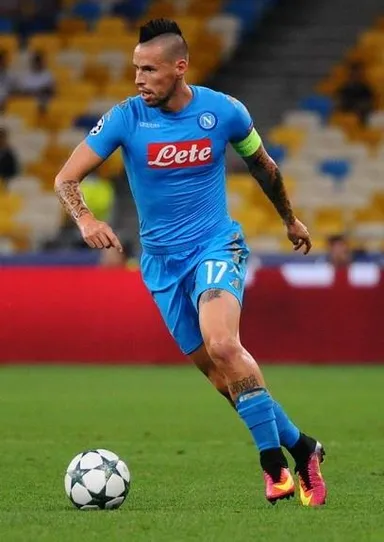 Photo: Илья Хохлов. Source and license in Image credits.
Midfielder
The long-serving midfield leader combined late runs and distribution while setting the club’s appearance record.
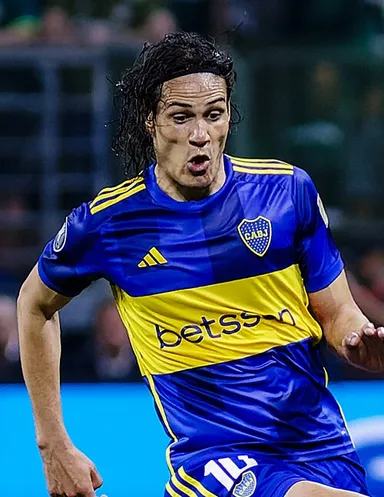 Photo: soccerdigital. Source and license in Image credits.
Forward
His movement and finishing powered the return to the Champions League and the 2012 Italian Cup win.
Forward
A local academy graduate whose left-sided combinations and leadership linked the rebuilt club to the city.
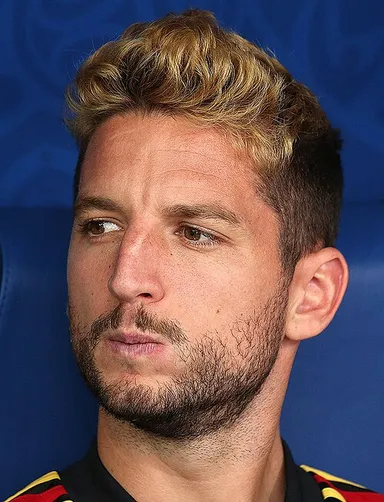 Photo: Кирилл Венедиктов. Source and license in Image credits.
Forward
Adaptation from wide attacker to central scorer helped him become the club’s leading marksman with 148 goals.
 Photo: Fédération Guinéenne Football. Source and license in Image credits.
Forward
Explosive runs and penalty-area finishing gave the 2023 champions their central attacking reference.
A Paraguayan-born forward and early club symbol, connecting the Internaples roots to the Napoli identity adopted in 1926.
A powerful attacking reference in the 1950s who later returned as coach with a different collective football vision.
The local midfield captain supplied technical continuity through the competitive teams of the 1960s and 1970s.
Photo: Christophe95. Source and license in Image credits.The Dutch libero brought anticipation and passing quality to a team challenging near the top before Maradona’s arrival.
Photo: Unknown author. Source and license in Image credits.The creative centre of the first two league champions and 1989 UEFA Cup winners, with an enduring relationship to the city.
Photo: Valter Campanato/ABr. Source and license in Image credits.His speed, movement and finishing complemented Maradona in the UEFA Cup winners and second championship team.
Photo: Palombo90. Source and license in Image credits.A locally developed defender who became a mainstay of the championship generation and scored in the 1989 European final.
Photo: Илья Хохлов. Source and license in Image credits.The long-serving midfield leader combined late runs and distribution while setting the club’s appearance record.
Photo: soccerdigital. Source and license in Image credits.His movement and finishing powered the return to the Champions League and the 2012 Italian Cup win.
A local academy graduate whose left-sided combinations and leadership linked the rebuilt club to the city.
Photo: Кирилл Венедиктов. Source and license in Image credits.Adaptation from wide attacker to central scorer helped him become the club’s leading marksman with 148 goals.
Photo: Fédération Guinéenne Football. Source and license in Image credits.Explosive runs and penalty-area finishing gave the 2023 champions their central attacking reference.
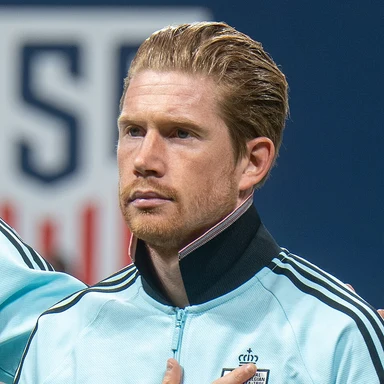 Photo: Bryan Berlin. Source and license in Image credits.
De Bruyne makes the next attacking action available earlier, combining ambitious delivery with movement and a credible finish. His continuing career includes distinct German, English and Italian chapters.

From Napoli’s Scudetto to Georgia’s first EURO and European success with Paris, Kvaratskhelia connects expressive wing play with collective achievement.
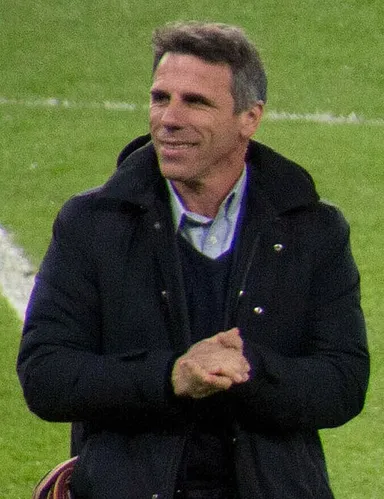 Photo: @cfcunofficial (Chelsea Debs) London from London, UK. Source and license in Image credits.
Zola helped Chelsea become a side capable of winning cups while making creative freedom part of its identity. His record belongs to a player who could link midfield and attack as well as decide a final. The absence of a Chelsea league title does not diminish that contribution, and the 1998 Cup Winners’ Cup must not be confused with the Champions League.