Germany
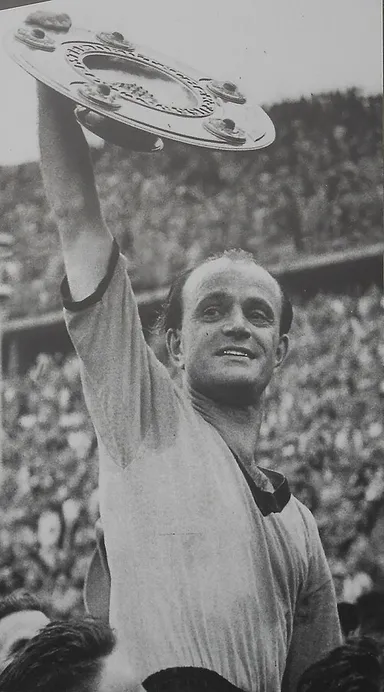 Photo: Joehawkins. Source and license in Image credits.
Forward
Adi Preissler
1946–1950 · 1952–1959The attacking leader of the first championship generation remains the club’s historical scoring reference.
Ballspielverein Borussia 09 e. V. Dortmund
From the Borsigplatz to the Yellow Wall, Dortmund’s history joins national champions, European breakthroughs and recovery through successive generations.
Legends
Photo: Joehawkins. Source and license in Image credits.Forward
The attacking leader of the first championship generation remains the club’s historical scoring reference.
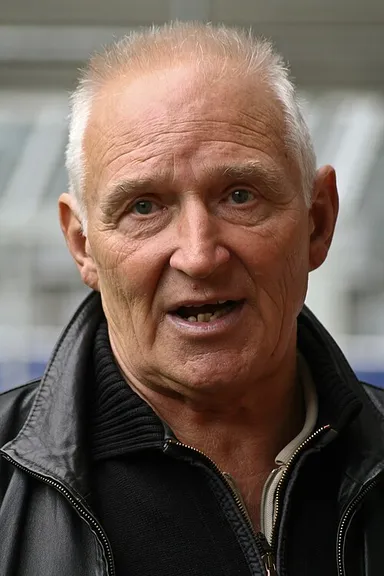 Photo: Arne Müseler. Source and license in Image credits.
Midfielder
A technical organiser who linked the 1963 national champions to the 1965 cup and 1966 European winners.
Forward
His left-footed finishing and partnership with Sigi Held powered the first European trophy-winning attack.
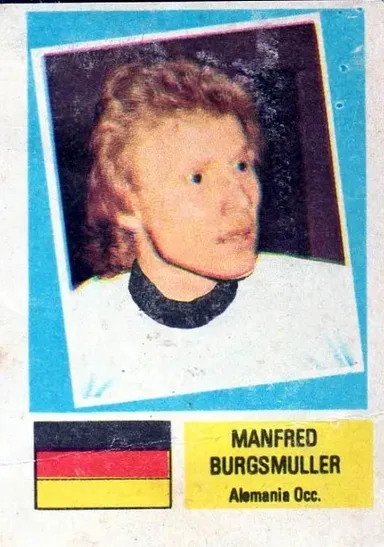 Photo: Unknown authorUnknown author. Source and license in Image credits.
Forward
A prolific scorer in the years after promotion, giving the rebuilt Bundesliga team a reliable attacking reference.
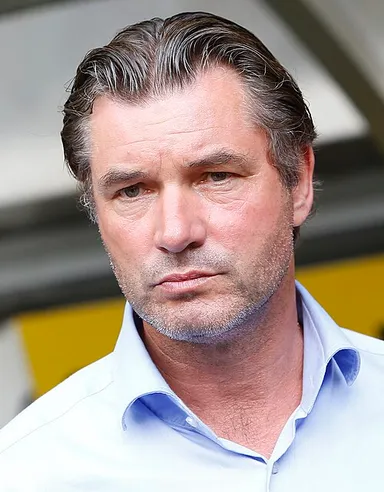 Photo: Tim.Reckmann. Source and license in Image credits.
Midfielder
A local midfielder and captain whose long service bridged the relegation play-off and European triumph.
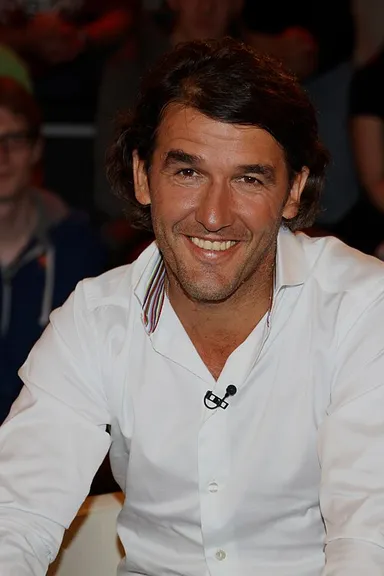 Photo: Udo Grimberg. Source and license in Image credits.
Forward
Two goals in the 1997 final made his penalty-area craft central to the club’s greatest European night.
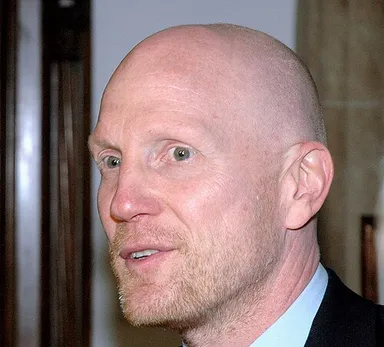 Photo: Harald Bischoff. Source and license in Image credits.
Defender
The libero combined anticipation and midfield progression in the league champions and 1997 European side.
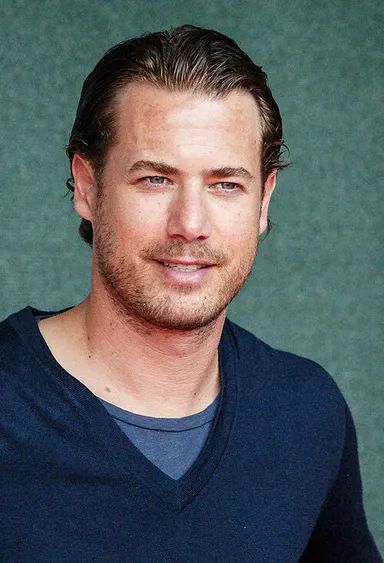 Photo: Die Bildermacherei Cuxhaven, Kerstin Tietje. Source and license in Image credits.
Midfielder
The locally developed attacker scored the decisive chip against Juventus and later worked in youth development.
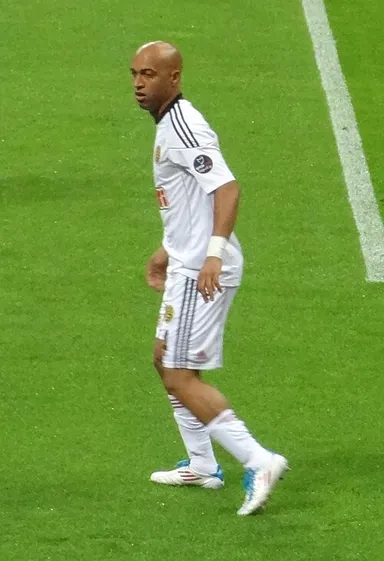 Photo: Ultraslansi. Source and license in Image credits.
Defender
The Brazilian left-back became a lasting supporter favourite, spanning the 2002 title, financial recovery and the 2011 championship.
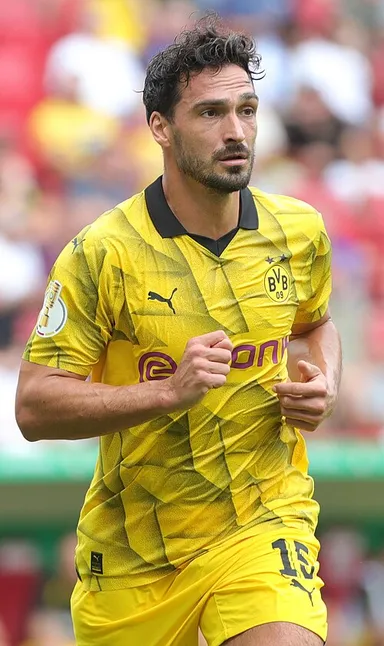 Photo: Sandro Halank, Wikimedia Commons. Source and license in Image credits.
Defender
An anticipatory centre-back and progressive passer across two spells, including the 2013 and 2024 European finals.
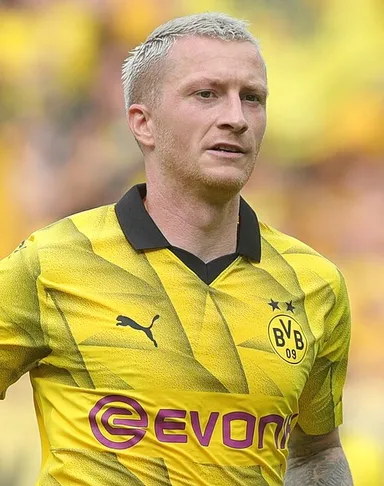 Photo: Sandro Halank, Wikimedia Commons. Source and license in Image credits.
Forward
The Dortmund-born attacker returned after developing elsewhere in senior football and became the creative face of a changing team.
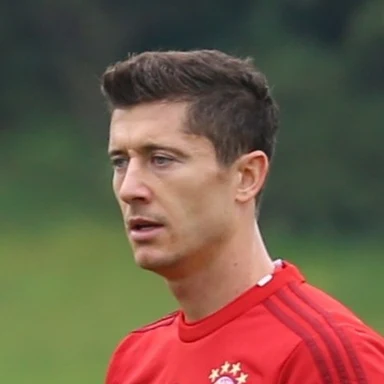 Photo: Rufus46. Source and license in Image credits.
Forward
His movement and finishing defined the 2012 cup final and the four-goal European semi-final against Madrid.
Photo: Joehawkins. Source and license in Image credits.The attacking leader of the first championship generation remains the club’s historical scoring reference.
Photo: Arne Müseler. Source and license in Image credits.A technical organiser who linked the 1963 national champions to the 1965 cup and 1966 European winners.
His left-footed finishing and partnership with Sigi Held powered the first European trophy-winning attack.
Photo: Unknown authorUnknown author. Source and license in Image credits.A prolific scorer in the years after promotion, giving the rebuilt Bundesliga team a reliable attacking reference.
Photo: Tim.Reckmann. Source and license in Image credits.A local midfielder and captain whose long service bridged the relegation play-off and European triumph.
Photo: Udo Grimberg. Source and license in Image credits.Two goals in the 1997 final made his penalty-area craft central to the club’s greatest European night.
Photo: Harald Bischoff. Source and license in Image credits.The libero combined anticipation and midfield progression in the league champions and 1997 European side.
Photo: Die Bildermacherei Cuxhaven, Kerstin Tietje. Source and license in Image credits.The locally developed attacker scored the decisive chip against Juventus and later worked in youth development.
Photo: Ultraslansi. Source and license in Image credits.The Brazilian left-back became a lasting supporter favourite, spanning the 2002 title, financial recovery and the 2011 championship.
Photo: Sandro Halank, Wikimedia Commons. Source and license in Image credits.An anticipatory centre-back and progressive passer across two spells, including the 2013 and 2024 European finals.
Photo: Rufus46. Source and license in Image credits.His movement and finishing defined the 2012 cup final and the four-goal European semi-final against Madrid.
Photo: Sandro Halank, Wikimedia Commons. Source and license in Image credits.The Dortmund-born attacker returned after developing elsewhere in senior football and became the creative face of a changing team.
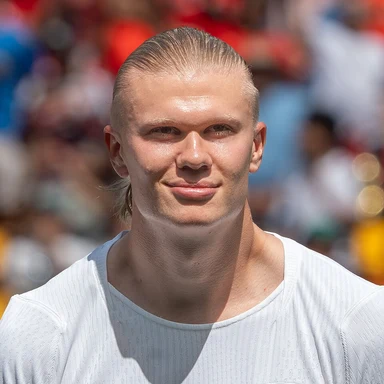 Photo: Bryan Berlin. Source and license in Image credits.
Haaland gives possession teams an immediate depth threat. His first City season demonstrated how a specialist box scorer could change the final action of an established attacking system.
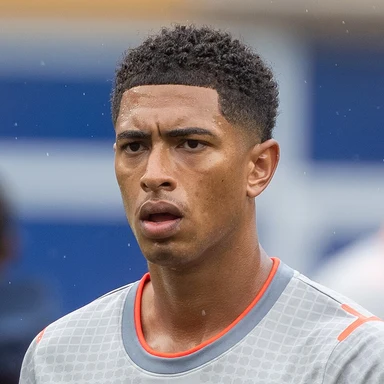 Photo: Bryan Berlin / WikiPortraits. Source and license in Image credits.
His first Madrid season showed how a midfielder could occupy the space vacated by a traditional centre-forward. The role remains distinct from his deeper development at Dortmund.
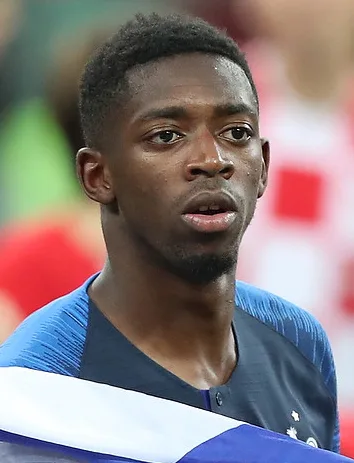
From Rennes and Dortmund to Barcelona and Paris, Dembélé’s active career connects unpredictable dribbling with a growing responsibility to create, finish and press for the team.