
Spain
Striker
Mundo
1939 — 1950The reference striker of the electric forward line and Valencia’s historical top scorer, later a cup-winning coach at the club.
Valencia Club de Fútbol
Valencia CF grew from a city club into a Spanish champion and a European force. Mestalla, the electric forward line of the 1940s and the teams of Kempes, Mendieta and Benítez connect its distinct golden ages.
Legends
Striker
The reference striker of the electric forward line and Valencia’s historical top scorer, later a cup-winning coach at the club.
Central midfielder
A midfielder from Sueca who spent his senior career at Valencia, linking the 1947 league champions with the club’s post-war cup successes.
Striker
The Brazilian scorer helped deliver two Fairs Cups and the 1967 Spanish Cup, winning that season’s league scoring award too.
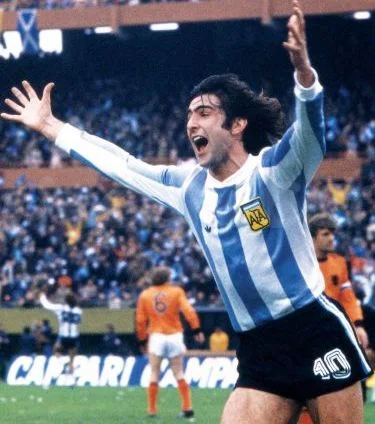 Photo: Unknown photographer / El Gráfico. Source and license in Image credits.
Forward
El Matador’s goals powered the 1979 cup win and the 1980 European trophies. His Valencia tenure included a return after a River Plate spell.
Centre-back
A long-serving defender who shared the 1980 European triumphs and stayed through relegation and the subsequent return to the top flight.
Attacking midfielder
A creative midfielder whose long first-team spell bridged the second-division recovery and Valencia’s renewed domestic ambitions in the 1990s.
Goalkeeper
The goalkeeper behind the 2002 and 2004 league titles and the UEFA Cup double, as well as both Champions League final appearances.
Defensive midfielder
A captain and defensive midfielder central to the champion sides. Two early Villarreal loans preceded his lasting place in Valencia’s first team from 1999.
Central midfielder
Baraja combined midfield control with runs into the box, forming the partnership with Albelda that defined Benítez’s title-winning team.
Central midfielder
A captain whose technique, work rate and 1999 cup-final goal made him a defining figure before the successive Champions League finals.
Centre-back
The Argentine defender gave authority to the back line during both Benítez league titles and the 2004 UEFA Cup triumph.
Forward
El Piojo’s pace made Valencia dangerous in transition. His two goals in the 1999 cup final crowned a brief but influential spell.
The reference striker of the electric forward line and Valencia’s historical top scorer, later a cup-winning coach at the club.
A midfielder from Sueca who spent his senior career at Valencia, linking the 1947 league champions with the club’s post-war cup successes.
The Brazilian scorer helped deliver two Fairs Cups and the 1967 Spanish Cup, winning that season’s league scoring award too.
Photo: Unknown photographer / El Gráfico. Source and license in Image credits.El Matador’s goals powered the 1979 cup win and the 1980 European trophies. His Valencia tenure included a return after a River Plate spell.
A long-serving defender who shared the 1980 European triumphs and stayed through relegation and the subsequent return to the top flight.
A creative midfielder whose long first-team spell bridged the second-division recovery and Valencia’s renewed domestic ambitions in the 1990s.
The goalkeeper behind the 2002 and 2004 league titles and the UEFA Cup double, as well as both Champions League final appearances.
A captain and defensive midfielder central to the champion sides. Two early Villarreal loans preceded his lasting place in Valencia’s first team from 1999.
Baraja combined midfield control with runs into the box, forming the partnership with Albelda that defined Benítez’s title-winning team.
A captain whose technique, work rate and 1999 cup-final goal made him a defining figure before the successive Champions League finals.
The Argentine defender gave authority to the back line during both Benítez league titles and the 2004 UEFA Cup triumph.
El Piojo’s pace made Valencia dangerous in transition. His two goals in the 1999 cup final crowned a brief but influential spell.
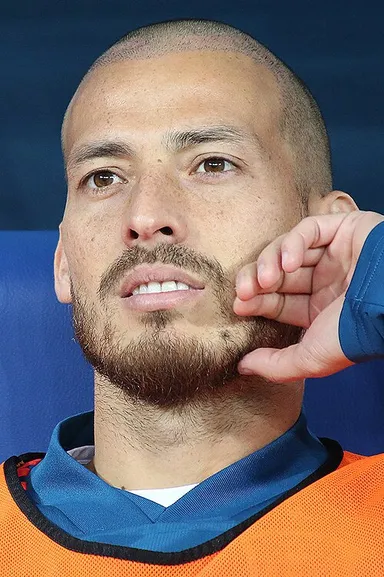 Photo: Кирилл Венедиктов. Source and license in Image credits.
Silva’s influence was not confined to the final pass. He gave team-mates a reliable receiver under pressure, drew defenders away from the next combination and helped keep attacks alive. Four English league titles and a statue outside the Etihad recognise a creator whose value lay as much in improving the collective as in his own scoring.