7
English First Division
First · 1893–94
Latest · 1980–81View winning seasons
1893–94 · 1895–96 · 1896–97 · 1898–99 · 1899–1900 · 1909–10 · 1980–81

Aston Villa Football Club
From Football League pioneers to European champions: Aston Villa’s claret and blue story links Birmingham, Villa Park and generations of renewal.
Overview
Historical assessment
Overall Historical Index
83/100Football Legends DB editorial assessment
Football Legends DB editorial / historical index. This is not an official FIFA or UEFA ranking, a live form table or a player rating.
Version 1.0: editors assess eight dimensions from 0–100 using the cited historical record. The overall score is their equally weighted arithmetic mean, rounded to the nearest whole number. Trophy totals are evidence, not points automatically added to a formula.
Assessment guide: 0–39 limited documented impact; 40–59 established national contribution; 60–79 sustained national or continental influence; 80–94 major international influence; 95–100 a historical benchmark across generations. These are editorial judgements, not measured percentiles. Missing evidence means no published index.
World titles and sustained success across eras inform the historical and international assessments. Scores may be revised when the evidence or editorial assessment changes.
Assessment notes · Editorial assessment of foundational influence, seven English top-flight championships, the 1982 European crown and later rebuilding. Long gaps between major titles temper the continuity and dominance scores.
Current chapter
Season
2026–27Verified
Emery’s team enters the season after the 2026 Europa League triumph in Istanbul. That trophy adds a new competition to Villa’s honours; the club’s European Cup total remains one.
Honours
First · 1893–94
Latest · 1980–81First · 1886–87
Latest · 1956–57First · 1960–61
Latest · 1995–96First · 1981–82
Latest · 1981–82First · 2025–26
Latest · 2025–26First · 1982
Latest · 1982First · 1981
Latest · 1981First · 2001
Latest · 2001First · 1937–38
Latest · 1959–60First · 1971–72
Latest · 1971–72History
McGregor’s league initiative and Ramsay’s long stewardship made Villa a formative force in English football.
Tactical identity · An early tradition of collective combination play
Villa won both major domestic competitions in the same season.
Walker and Waring represent the interwar attack. The 1920 FA Cup and 1938 second-tier title belong to very different competitive circumstances.
Tactical identity · Inside-forward invention and central finishing
Houghton’s 1957 team won the FA Cup; the inaugural League Cup followed in 1961.
Tactical identity · Direct attacking play and decisive forwards
Explore the defining match ↗The 1972 Third Division title began the climb. Saunders’ 1975 and 1977 League Cups established momentum for the next generation.
Tactical identity · Organisation, work rate and attacking partnerships
Saunders delivered the 1981 league title; Barton completed the 1982 European triumph after taking over during the season.
Tactical identity · A compact collective with complementary strikers
Explore the defining match ↗The 1982 edition was played in January 1983; Villa beat Barcelona 3–1 on aggregate.
Atkinson’s league runners-up won the 1994 League Cup. Little’s 1996 victory continued the decade’s Wembley success.
Tactical identity · Defensive assurance supporting purposeful attacks
Explore the defining match ↗Intertoto success in 2001 and later top-flight ambitions gave way to relegation in 2016. Smith’s 2019 play-off winners restored Premier League football.
Tactical identity · Renewal around homegrown leadership
Explore the defining match ↗The 2026 Europa League final brought a new continental title and another landmark for the club’s European memory.
Tactical identity · Structured possession and coordinated movement
Explore the defining match ↗Defining games
FA Cup final
Two goals from Peter McParland secured Villa’s seventh FA Cup in a final against Manchester United.
European Cup final
Peter Withe scored the winner; substitute goalkeeper Nigel Spink helped preserve the lead after replacing the injured Jimmy Rimmer.
League Cup final
Wembley Stadium
Brian Little’s team defeated Leeds to win the club’s fifth League Cup, linking a former Villa player to a new cup-winning generation.
Championship play-off final
Wembley Stadium
Goals from Anwar El Ghazi and John McGinn secured promotion under Dean Smith. This was a play-off victory, not a second-tier league championship.
UEFA Europa League final
Beşiktaş Park, Istanbul
The victory over Freiburg delivered Villa’s first Europa League title under Unai Emery, adding another European landmark after Rotterdam.
Legends
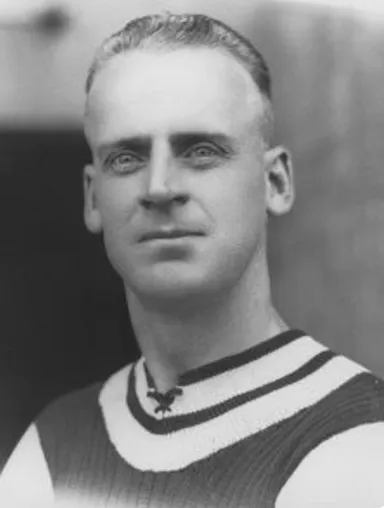 Photo: Unknown authorUnknown author. Source and license in Image credits.
Forward
Villa’s record competitive goalscorer and a link between the 1920 cup winners and the interwar team.
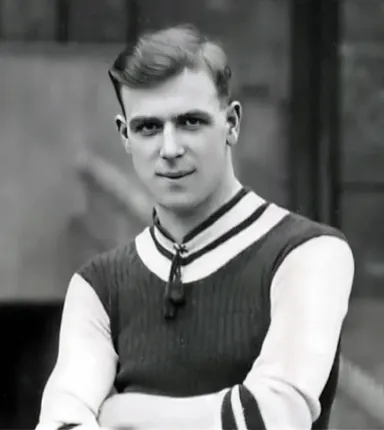 Photo: Albert Wilkes. Source and license in Image credits.
Forward
His 49 league goals in 1930–31 made him the emblem of a prolific Villa attack.
 Photo: Tommy Pinball. Source and license in Image credits.
Forward
The Northern Ireland forward whose two goals decided the 1957 FA Cup final.
Defender
Villa’s record appearance holder: 660 competitive matches.
 Photo: Jonesy702. Source and license in Image credits.
Forward
A homegrown forward who later returned to lead Villa as manager.
Midfielder
A creative midfielder in the league and European champions, with three spells at Villa.
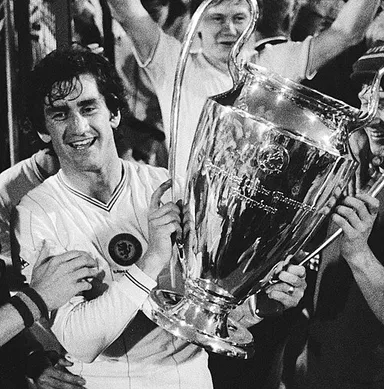 Photo: Marcel Antonisse / Anefo. Source and license in Image credits.
Midfielder
Captained the side through the 1981 league title and the 1982 European Cup.
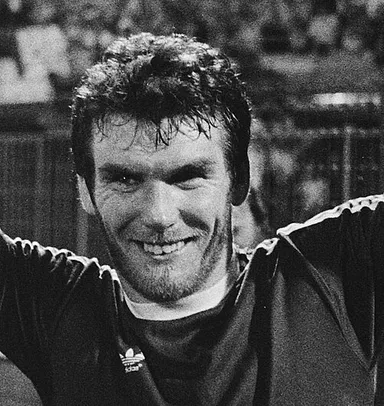 Photo: Marcel Antonisse / Anefo. Source and license in Image credits.
Forward
The centre-forward whose goal in Rotterdam became Villa’s defining European image.
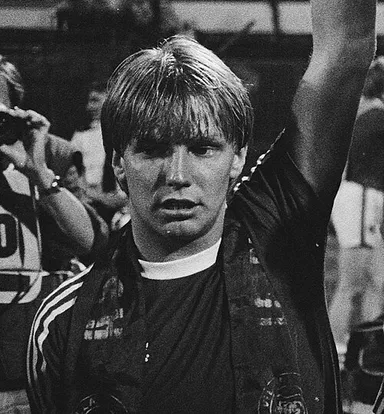 Photo: Marcel Antonisse / Anefo. Source and license in Image credits.
Forward
The homegrown striker at the heart of the league and European championship generation.
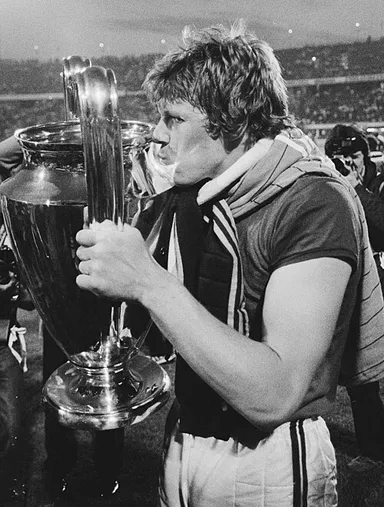 Photo: Marcel Antonisse / Anefo. Source and license in Image credits.
Goalkeeper
An unexpected hero of the 1982 final who went on to a long Villa goalkeeping career.
Defender
A defining defender of Villa’s early Premier League years and the 1994 cup-winning side.
 Photo: Hameltion. Source and license in Image credits.
Midfielder
An academy graduate who captained the 2019 promotion team before leaving for Manchester City.
Photo: Unknown authorUnknown author. Source and license in Image credits.Villa’s record competitive goalscorer and a link between the 1920 cup winners and the interwar team.
Photo: Albert Wilkes. Source and license in Image credits.His 49 league goals in 1930–31 made him the emblem of a prolific Villa attack.
Photo: Tommy Pinball. Source and license in Image credits.The Northern Ireland forward whose two goals decided the 1957 FA Cup final.
Villa’s record appearance holder: 660 competitive matches.
Photo: Jonesy702. Source and license in Image credits.A homegrown forward who later returned to lead Villa as manager.
A creative midfielder in the league and European champions, with three spells at Villa.
Photo: Marcel Antonisse / Anefo. Source and license in Image credits.Captained the side through the 1981 league title and the 1982 European Cup.
Photo: Marcel Antonisse / Anefo. Source and license in Image credits.The centre-forward whose goal in Rotterdam became Villa’s defining European image.
Photo: Marcel Antonisse / Anefo. Source and license in Image credits.The homegrown striker at the heart of the league and European championship generation.
Photo: Marcel Antonisse / Anefo. Source and license in Image credits.An unexpected hero of the 1982 final who went on to a long Villa goalkeeping career.
A defining defender of Villa’s early Premier League years and the 1994 cup-winning side.
Photo: Hameltion. Source and license in Image credits.An academy graduate who captained the 2019 promotion team before leaving for Manchester City.
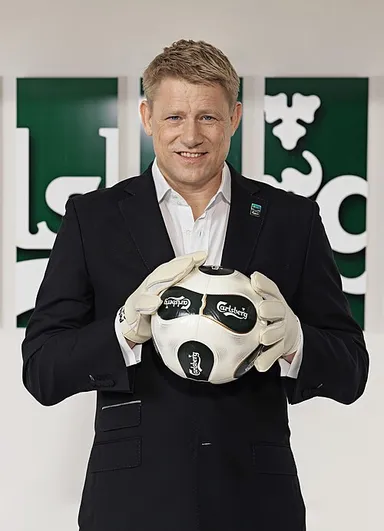 Photo: Carlsberg. Source and license in Image credits.
Schmeichel helped make the goalkeeper an initiator as well as a last line of defence. His value lay in combining the save, the recovery and the next attacking action. Denmark’s European title and United’s first Premier League dynasty show how that contribution could shape two very different teams.
 Photo: ChristopherJClarke. Source and license in Image credits.
Chelsea’s official record credits Terry with 717 competitive appearances, 67 goals and 15 major trophies: five league titles, five FA Cups, three League Cups, one Champions League and one Europa League. His legacy connects those successive teams through defensive judgement and leadership. His 492 appearances and 41 goals in the Premier League are a narrower record, not an alternative all-competition total.
Coaching legacy
Club tenure only. Honours include senior first-team league, cup, super cup, continental and world titles where verified. European titles count European Cup / Champions League wins.
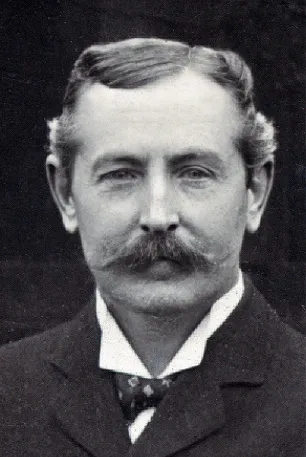 Photo: Unknown authorUnknown author. Source and license in Image credits.
1886–1926
As secretary-manager, oversaw six league titles and six FA Cups across the club’s formative decades.
Paid secretary-manager from 1886; club secretary from 1884, with team selection by committee
1953–1958
Guided the 1957 FA Cup winners, whose Wembley final was decided by Peter McParland’s two goals.
1974–1982
Built the 1981 league champions and won the 1975 and 1977 League Cups before leaving during the European Cup campaign.
League champion in 1981; Tony Barton coached the 1982 European Cup final
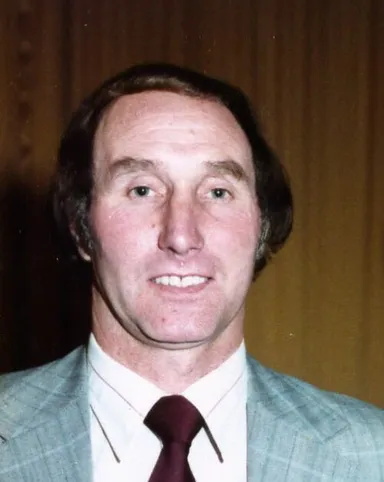 Photo: stavros1. Source and license in Image credits.
1982–1984
Completed the European Cup campaign and then won the 1982 Super Cup edition, played in January 1983.
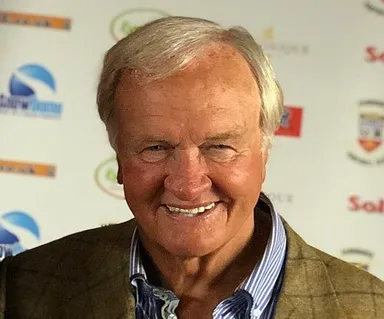 Photo: Jonesy702. Source and license in Image credits.
1991–1994
Made Villa runners-up in the inaugural Premier League season and won the 1994 League Cup.
Photo: Jonesy702. Source and license in Image credits.1994–1998
Returned as manager after his Villa playing career and led the 1996 League Cup winners.

2022–present
Re-established European ambition and delivered the club’s first Europa League trophy in 2026.
One Europa League title; the European Cup / Champions League column remains zero
Club identity
The club’s successful sides have taken different forms: Ramsay’s early collective, Saunders’ disciplined champions and Emery’s structured European team.
Shaw, Little, Grealish and Ramsey show the recurring value of a first-team pathway for young players.
Founded in Birmingham in 1874, Villa remains connected to the city through its name, supporters and historic ground.
Villa Park and its Holte End give the claret and blue identity a shared place; kit launches also bring supporters into that space.
The 1982 European Cup and 2026 Europa League connect different generations to competition beyond England.
A founding league club has also experienced lower-division football. Promotion belongs alongside the championships in an honest account of its history.
Identity
Stadium
Current home / Birmingham
Villa moved to this ground in 1897. The Holte End and the claret and blue matchday setting connect later generations to a home that predates the club’s European titles.
Rivalries
Aston Villa and Birmingham City share a city and a local rivalry known as the Second City Derby.
The fixture gives Birmingham’s football geography a recurring expression, even when the clubs play in different divisions.
Development
Develop individual quality while keeping a route from youth football to the first team visible.
Historical role
Shaw and Little connect the club’s history to homegrown talent. Grealish’s promotion captaincy and Jacob Ramsey’s progression from the age of eight at Bodymoor Heath give that pathway a modern expression.
Famous graduates
Collection
Kits
Home kit / 1981–82
Home kit / 1995–96
Home kit / 2025–26
Commercial
TECHNICAL SUPPLIER
Kit studies are abstract colour and pattern references, not reproductions of official shirts.
Records
League matches only; Waring scored 50 in all competitions that season.
As of 2026-09-15Secretary-manager era; separate from the six FA Cups won under his stewardship.
As of 2026-09-15Dated milestone reported on 13 March 2026, not a live career total.
As of 2026-03-13